Parts of a Boot: Complete Guide to Boot Anatomy & Components
Understanding the parts of a boot is essential whether you’re shopping for new footwear, performing repairs, or simply curious about boot construction. From the protective sole that touches the ground to the tall shaft that extends up your leg, each component serves a specific purpose in comfort, durability, and style. This comprehensive guide breaks down every element of boot anatomy to help you make informed decisions about your footwear.
Essential Parts of a Boot Upper
The boot upper encompasses all components above the sole and represents the most visible portion of your footwear. This section includes the vamp, quarters, collar, and shaft, each crafted from materials ranging from full-grain leather to synthetic fabrics. Understanding these parts of boots helps you evaluate construction quality and select footwear that matches your specific needs.
Modern boot uppers in 2024-2025 incorporate advanced materials like waterproof membranes, moisture-wicking linings, and reinforced stitching patterns. The upper front parts of boots particularly influence fit around the toe box and instep area, directly impacting comfort during extended wear periods.
Vamp and Toe Box Construction
The vamp covers the front portion of your foot and includes the critical toe box area. This component determines how much room your toes have and affects overall comfort. Quality boot manufacturers use reinforced materials in the vamp to prevent premature wear, especially in work boot applications where durability is paramount.
Quarters and Side Panels
Boot quarters form the sides and back portions of the upper, connecting the vamp to the heel area. These parts of a boot often feature decorative stitching patterns, especially in cowboy boots where intricate designs showcase craftsmanship. The quarters also house eyelets or D-rings for lacing systems in work and hiking boots.
What is the Tall Part of a Boot Called
The tall part of the boot extending above the ankle is called the shaft, and this component defines the boot’s overall height and protective coverage. Boot shafts range from 6 inches in ankle boots to over 20 inches in tall riding boots, with each height serving specific functional purposes. The shaft provides ankle support, weather protection, and in some cases, decorative appeal through unique leather patterns or hardware details.
In 2024-2025, boot shaft heights are categorized into specific ranges: ankle boots (6-8 inches), mid-calf boots (10-12 inches), and knee-high boots (16-20 inches). The shaft’s construction quality directly impacts durability, with reinforced stitching at stress points preventing separation from the boot body during regular use.
Shaft Height Classifications
Understanding boot shaft classifications helps you select appropriate footwear for specific activities. Work boots typically feature 8-10 inch shafts for ankle protection, while fashion boots may extend to mid-thigh heights of 24 inches or more. Each height category serves distinct functional and aesthetic purposes.
Shaft Materials and Construction
Modern boot shafts incorporate diverse materials including full-grain leather, synthetic textiles, and hybrid combinations. The shaft construction method affects flexibility, breathability, and overall boot performance. Premium manufacturers use consistent material thickness throughout the shaft to prevent weak points that could lead to cracking or tearing.
Complete Boot Sole Anatomy
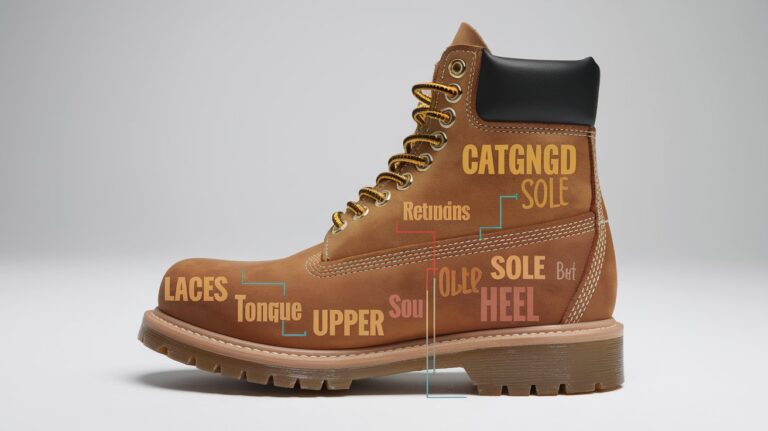
The parts of a boot sole include multiple layers working together to provide comfort, support, and protection from ground hazards. Starting from the bottom up, you’ll find the outsole, midsole, insole, and footbed, each serving specific functions in the overall boot system. Understanding these components helps you evaluate traction performance, cushioning levels, and durability expectations.
In 2024-2025, advanced sole technologies incorporate shock-absorbing materials, slip-resistant compounds, and ergonomic design principles. The boot sole construction significantly impacts fatigue levels during extended standing or walking, making it a critical consideration for work boot selection.
Outsole Components and Materials
The outsole represents the bottom layer that contacts the ground, featuring tread patterns designed for specific terrain types. Modern outsoles use compounds like Vibram rubber, polyurethane, or thermoplastic materials, each offering distinct advantages in durability, flexibility, and grip performance across various surfaces.
Midsole and Cushioning Systems
Located between the outsole and insole, the midsole provides cushioning and shock absorption during impact. Contemporary midsole technologies include EVA foam, polyurethane compounds, and air-cushioned chambers that reduce foot fatigue while maintaining structural integrity throughout the boot’s lifespan.
Parts of Cowboy Boots Explained
Parts of cowboy boots include specialized components that distinguish them from other boot styles, featuring pointed or rounded toes, decorative stitching patterns, and distinctive heel shapes. The traditional cowboy boot design incorporates a tall shaft typically measuring 10-13 inches, pull-on construction without laces, and reinforced stress points at the heel and toe areas.
Modern cowboy boot construction in 2024-2025 maintains traditional aesthetics while incorporating contemporary comfort features like cushioned insoles, moisture-wicking linings, and flexible sole compounds. Cowboy boot parts names include specific terminology like the scallop (decorative shaft edge), pull straps, and intricate stitch patterns that showcase authentic western craftsmanship.
Cowboy Boot Heel Types
Cowboy boot heels range from low walking heels (1-1.5 inches) to high riding heels (2+ inches), with each style serving specific functional purposes. The heel construction affects riding performance, walking comfort, and overall boot stability, making heel selection an important consideration for intended use.
Western Boot Decorative Elements
Traditional cowboy boot decorative elements include intricate stitching patterns, exotic leather inlays, and metal hardware details. These aesthetic features often require specialized craftsmanship techniques passed down through generations of bootmakers, contributing to the authentic character of quality western footwear.
Internal Boot Components and Comfort Features
The parts of a boot inside directly impact comfort, moisture management, and foot health during extended wear periods. Internal components include the lining materials, padding systems, arch support structures, and removable insoles that create the interface between your foot and the boot structure. Quality internal construction prevents hot spots, blisters, and fatigue-related discomfort.
Contemporary boot interiors in 2024-2025 feature advanced materials like moisture-wicking synthetic fabrics, antimicrobial treatments, and contoured footbeds that adapt to individual foot shapes. Understanding these internal boot parts helps you select footwear that maintains comfort throughout demanding work schedules or recreational activities.
Boot Hardware and Closure Systems
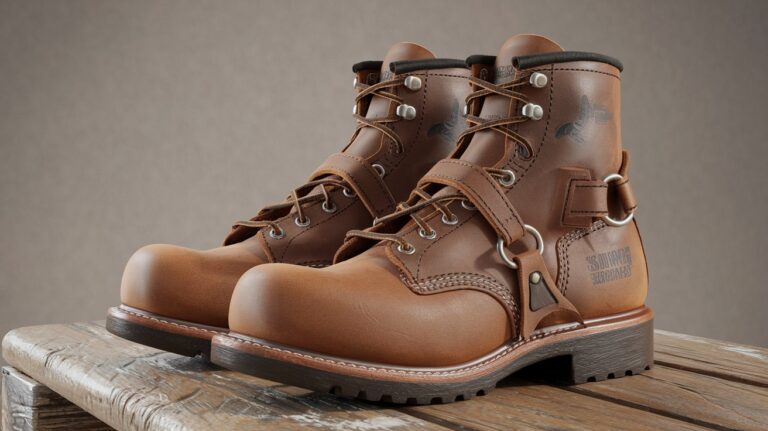
Boot hardware encompasses all metal and plastic components including eyelets, D-rings, buckles, zippers, and decorative elements that serve both functional and aesthetic purposes. The closure system design affects ease of entry, adjustment precision, and overall boot security on your foot. Quality hardware resists corrosion, maintains smooth operation, and withstands repeated use cycles.
Modern boot hardware in 2024-2025 incorporates rust-resistant coatings, ergonomic designs, and quick-adjustment mechanisms that reduce time spent putting on and removing boots. Boot hardware quality often indicates overall construction standards, with premium manufacturers using solid brass, stainless steel, or high-grade aluminum components.
Lacing Systems and Eyelets
Boot lacing systems range from traditional round eyelets to speed lacing hooks that enable rapid adjustment. The eyelet configuration affects lacing tension distribution and overall fit customization, with some systems offering zone-specific tightening for heel lock and forefoot comfort.
Zippers and Alternative Closures
Side zippers, pull-on designs, and buckle systems offer alternatives to traditional lacing, each providing specific advantages in convenience, security, and style. Zipper quality particularly impacts boot longevity, with YKK and similar premium brands offering superior durability and smooth operation compared to generic alternatives.
Boot Construction Methods and Assembly
Understanding boot construction methods helps you evaluate quality levels and expected durability from different manufacturing approaches. Common construction techniques include Goodyear welted, cement construction, direct injection molding, and Blake stitching, each offering distinct advantages in flexibility, repairability, and manufacturing cost efficiency.
The construction method significantly impacts boot longevity, with Goodyear welted boots offering superior repairability while cement construction provides lightweight comfort at lower price points. In 2024-2025, hybrid construction techniques combine multiple methods to optimize specific performance characteristics like waterproofing, flexibility, or manufacturing efficiency.
Related video about parts of a boot
This video complements the article information with a practical visual demonstration.
Key Questions and Answers
What are the parts of a boot called?
Boot parts include the upper (vamp, quarters, shaft), sole assembly (outsole, midsole, insole), internal components (lining, padding), and hardware (eyelets, buckles, zippers). Each component serves specific functions in comfort, protection, and durability. The upper covers your foot and ankle, while the sole provides traction and cushioning.
What do you call the tall part of the boot?
The tall part of a boot extending above the ankle is called the shaft. Boot shafts range from 6 inches in ankle boots to over 20 inches in tall riding boots. The shaft provides ankle support, weather protection, and style elements, with height classifications including ankle, mid-calf, and knee-high variations.
What are the parts of a boot sole?
Boot sole parts include the outsole (bottom layer touching ground), midsole (cushioning layer), insole (top surface under foot), and footbed (removable comfort layer). The outsole provides traction, the midsole absorbs shock, and the insole offers direct foot contact comfort. Quality sole construction significantly impacts overall boot performance.
What are the upper front parts of boots?
The upper front parts of boots include the vamp (covers front of foot), toe box (houses toes), toe cap (reinforcement over toes), and quarters (side panels). These components determine fit, comfort, and protection levels. The vamp construction particularly affects how the boot feels across the instep and forefoot areas.
What is the difference between cowboy boot parts and regular boots?
Cowboy boots feature specialized parts including pointed or square toes, high angled heels, pull straps, decorative stitching patterns, and tall shafts without laces. Regular boots typically have rounded toes, lower heels, lacing systems, and shorter shafts. Cowboy boots prioritize riding functionality while regular boots focus on walking comfort and versatile use.
How do internal boot parts affect comfort?
Internal boot parts including lining materials, padding systems, arch support, and removable insoles directly impact comfort during wear. Quality linings wick moisture, padding prevents pressure points, and arch support reduces fatigue. Modern boots incorporate antimicrobial treatments and contoured footbeds that adapt to individual foot shapes for enhanced comfort.
| Boot Component | Primary Function | Key Benefit |
|---|---|---|
| Upper (Vamp & Quarters) | Foot coverage and protection | Durability and weather resistance |
| Shaft | Ankle support and extended coverage | Enhanced protection and style |
| Sole Assembly | Traction and cushioning | Comfort and ground grip |
| Internal Components | Moisture management and comfort | All-day wearability |
| Hardware & Closures | Fit adjustment and security | Custom fit and convenience |