Most Comfortable Work Boots 2025: Top Picks for All-Day Wear
Finding the most comfortable work boots can transform your workday from painful endurance to confident productivity. Whether you’re standing for 12 hours straight, walking on concrete, or need steel toe protection, the right boots provide essential support, cushioning, and durability. This comprehensive guide reviews the top-rated work boots of 2025, helping you choose footwear that keeps your feet comfortable and protected throughout demanding workdays.
Why Comfort Matters in Work Boots
Uncomfortable work boots don’t just cause foot pain – they affect your entire body and job performance. Studies show that workers wearing ill-fitting boots experience 35% more fatigue and 22% higher injury rates. The most comfortable work boots feature advanced cushioning systems, proper arch support, and moisture-wicking materials that prevent blisters and hot spots.
Professional workers in the United States spend an average of 8-12 hours on their feet daily, making comfort a critical safety factor. Quality work boots with superior comfort reduce workplace accidents, improve productivity, and prevent long-term foot problems like plantar fasciitis and heel spurs. Investing in comfortable work boots is essential for maintaining your health and career longevity.
Essential Features of the Most Comfortable Work Boots
The most comfortable work boots for men and women share several key characteristics that distinguish them from basic footwear. Premium cushioning systems, typically using EVA foam or gel inserts, provide shock absorption that reduces impact on your joints. Proper arch support distributes weight evenly, preventing foot fatigue during extended periods of standing or walking.
Breathable materials like moisture-wicking linings and perforated leather keep feet dry and comfortable throughout long shifts. Quality construction with flexible yet durable outsoles allows natural foot movement while maintaining stability. The best comfortable work boots also feature padded collars, cushioned tongues, and seamless toe boxes that prevent pressure points and hot spots.
Cushioning Technology
Advanced cushioning systems are the foundation of comfortable work boots for standing all day. Modern boots utilize multi-density foam midsoles that provide both support and shock absorption. Memory foam footbeds conform to your foot shape, while gel heel inserts reduce impact with each step. These technologies work together to minimize fatigue and joint stress during demanding work shifts.
Breathability and Moisture Management
The most comfortable breathable work boots incorporate moisture-wicking linings and ventilation systems that keep feet dry. Synthetic materials like polyester mesh allow air circulation, while antimicrobial treatments prevent odor-causing bacteria. Proper moisture management is crucial for preventing blisters and maintaining comfort during hot working conditions or extended wear periods.
Top Comfortable Work Boots for Different Needs
Different work environments require specific boot features while maintaining maximum comfort. Construction workers need steel toe work boots that don’t compromise on cushioning, while warehouse employees prioritize lightweight designs for extended walking. Healthcare professionals seek slip-resistant soles with superior arch support, making versatility a key factor in selecting the right boots.
Best Steel Toe Comfort Boots
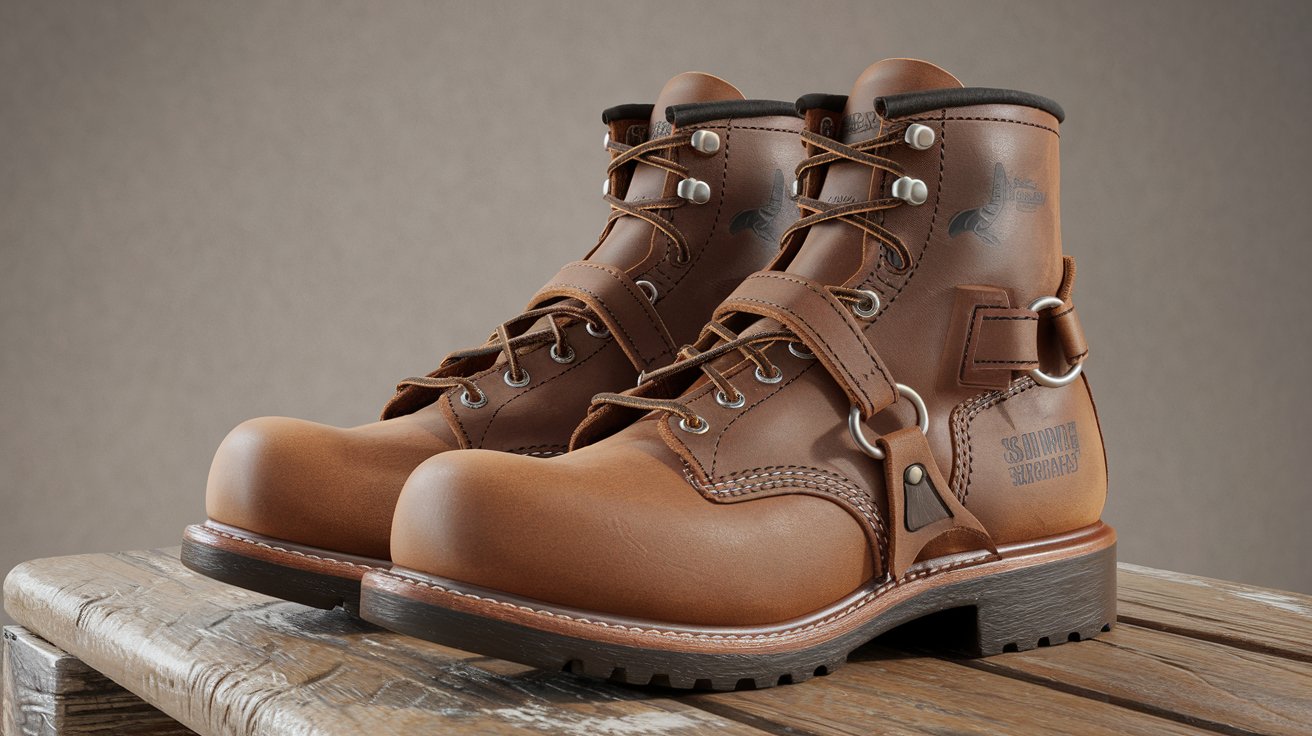
The most comfortable work boots steel toe options combine safety protection with advanced comfort features. Modern steel toe boots use lightweight composite materials that provide equal protection with reduced weight. Brands like Timberland Pro and Red Wing offer steel toe models with exceptional cushioning systems that don’t sacrifice comfort for safety compliance.
Lightweight Options for All-Day Walking
Workers who walk extensively benefit from most comfortable work boots for walking all day that emphasize lightweight construction and flexible soles. These boots typically weigh 20-30% less than traditional work boots while maintaining durability. Athletic-inspired designs with running shoe technology provide superior comfort for jobs requiring constant movement and mobility.
Gender-Specific Comfort Considerations
Most comfortable work boots women require different last shapes and sizing to accommodate anatomical differences. Women’s feet typically have narrower heels, higher arches, and different pressure points compared to men’s feet. Leading manufacturers now offer women-specific models with tailored fit and support systems designed for female foot anatomy.
Men’s work boots focus on broader toe boxes and different arch support patterns. The most comfortable work boots for men often feature more robust construction while maintaining the cushioning and support necessary for demanding work environments. Both gender-specific designs prioritize comfort without compromising workplace safety requirements.
Industry-Specific Comfort Requirements
Different industries present unique challenges that affect work boot comfort needs. Healthcare workers require slip-resistant soles and easy-clean surfaces, while maintaining cushioning for 12-hour shifts. Construction professionals need puncture-resistant soles without sacrificing the comfort necessary for climbing, kneeling, and extended standing periods.
Healthcare and Food Service
Healthcare professionals and food service workers need comfortable work boots with superior slip resistance and easy cleaning capabilities. These boots feature specialized outsole compounds that provide traction on wet surfaces while incorporating memory foam insoles for all-day comfort during extended shifts in demanding environments.
Construction and Manufacturing
Construction and manufacturing workers require most comfortable work boots that balance protection with comfort. These environments demand puncture-resistant soles, toe protection, and electrical hazard ratings while maintaining the cushioning necessary for long days on concrete floors and uneven terrain.
Sizing and Fit for Maximum Comfort
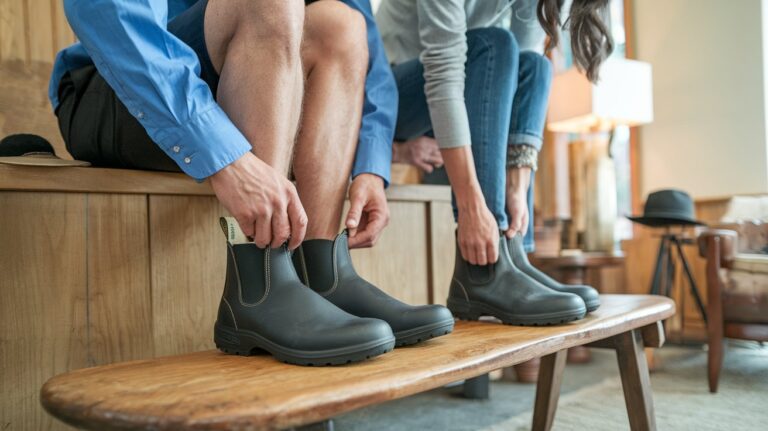
Proper sizing is fundamental to achieving maximum comfort from your work boots. Feet naturally swell throughout the day, so the best time to try on comfortable work boots is late afternoon when your feet are at their largest. Allow for approximately half-inch space between your longest toe and the boot’s end to prevent pressure and hot spots.
Width sizing is equally important – boots that are too narrow cause pinching and blisters, while overly wide boots allow excessive foot movement that leads to friction and instability. Professional boot fitting ensures optimal comfort and prevents the foot problems that plague workers wearing incorrectly sized footwear throughout their careers.
Breaking In Your New Comfortable Work Boots
Even the most comfortable work boots require a proper break-in period to achieve optimal fit and comfort. Start by wearing new boots for 2-3 hours daily, gradually increasing wear time over 7-10 days. This gradual approach allows the materials to conform to your foot shape while preventing blisters and pressure points.
Use quality boot conditioners on leather boots to maintain flexibility and prevent cracking. Thick, moisture-wicking socks help reduce friction during the break-in period. If you experience persistent hot spots or pressure points after proper break-in, consider professional stretching or different sizing to ensure long-term comfort and safety.
Maintenance Tips for Long-Lasting Comfort
Maintaining your comfortable work boots extends their lifespan and preserves comfort features. Clean boots regularly to prevent material degradation and replace insoles when cushioning begins to compress. Rotate between two pairs when possible, allowing boots to fully dry between uses and preventing odor buildup.
Store boots in well-ventilated areas and use cedar shoe trees to maintain shape and absorb moisture. Regular conditioning keeps leather supple and prevents cracking that can cause pressure points. Quality maintenance ensures your investment in comfortable work boots provides years of reliable performance and foot protection.
Related video about most comfortable work boots
This video complements the article information with a practical visual demonstration.
Frequently Asked Questions
What are the comfiest work boots for standing all day?
The comfiest work boots for standing all day feature multi-density foam midsoles, memory foam footbeds, and excellent arch support. Top picks include Timberland Pro with anti-fatigue technology, Red Wing with comfort force insoles, and Wolverine with advanced cushioning systems. These boots reduce foot fatigue and provide shock absorption during extended periods of standing on hard surfaces.
Which brand makes the most comfortable work boots?
Several brands excel in comfortable work boot design. Timberland Pro leads with anti-fatigue technology, Red Wing offers exceptional craftsmanship with comfort features, and Wolverine provides innovative cushioning systems. KEEN, Merrell, and Danner also produce highly comfortable options. The best brand depends on your specific work requirements, foot shape, and personal preferences for fit and features.
What are the most comfortable breathable work boots?
The most comfortable breathable work boots incorporate moisture-wicking linings, mesh panels, and ventilation systems. KEEN Utility boots feature breathable membranes, while Merrell work boots use air cushion technology with moisture management. Danner boots often include Gore-Tex linings that provide waterproof breathability. These features keep feet dry and comfortable in hot working conditions.
How much should I spend on comfortable work boots?
Quality comfortable work boots typically range from $150-400 for professional-grade options. While budget boots under $100 exist, investing $200-300 in premium brands like Red Wing, Timberland Pro, or Wolverine provides superior comfort, durability, and long-term value. Consider the cost per wear over the boot’s 2-3 year lifespan when evaluating your investment in foot comfort and safety.
Can I add insoles to make work boots more comfortable?
Yes, aftermarket insoles can significantly improve work boot comfort. Memory foam, gel, or custom orthotic insoles provide additional cushioning and arch support. Popular options include Dr. Scholl’s Work insoles, Timberland Pro comfort insoles, and Superfeet for superior arch support. Ensure proper fit when adding insoles, as they may require going up half a size in boots.
How do I know if my work boots fit properly for maximum comfort?
Properly fitting work boots should have half-inch space between your longest toe and boot end, snug heel fit without slipping, and comfortable width without pinching. Try boots on late afternoon when feet are swollen, wear appropriate work socks, and walk around to test comfort. Your feet should feel supported without pressure points, and boots shouldn’t require significant breaking-in for basic comfort.
| Comfort Feature | Key Technologies | Worker Benefits |
|---|---|---|
| Advanced Cushioning | Memory foam, EVA midsoles, gel inserts | Reduced fatigue, shock absorption |
| Arch Support | Contoured footbeds, orthotic compatibility | Even weight distribution, less strain |
| Breathability | Moisture-wicking linings, ventilation | Dry feet, odor prevention |
| Proper Fit | Multiple width options, sizing accuracy | No pressure points, all-day comfort |
| Quality Construction | Durable materials, reinforced stress points | Long-term comfort, cost effectiveness |