Best Work Boots With Heels 2024: Steel Toe & Waterproof Guide
Work boots with heels provide essential stability, comfort, and safety for construction workers, electricians, and skilled tradesmen across America. These specialized boots combine the durability of traditional work footwear with elevated heel designs that improve posture, reduce fatigue, and enhance traction on various job sites. With over 150 brands offering heeled work boots in 2024, choosing the right pair requires understanding heel height, safety features, and job-specific requirements.
Why Do Some Work Boots Have Heels?
Work boots with heels serve multiple functional purposes beyond traditional flat-soled designs. The elevated heel helps maintain proper ankle positioning during long work shifts, reducing strain on the Achilles tendon and calf muscles. Construction workers report 23% less foot fatigue when wearing heeled work boots compared to flat alternatives, according to 2024 occupational health studies.
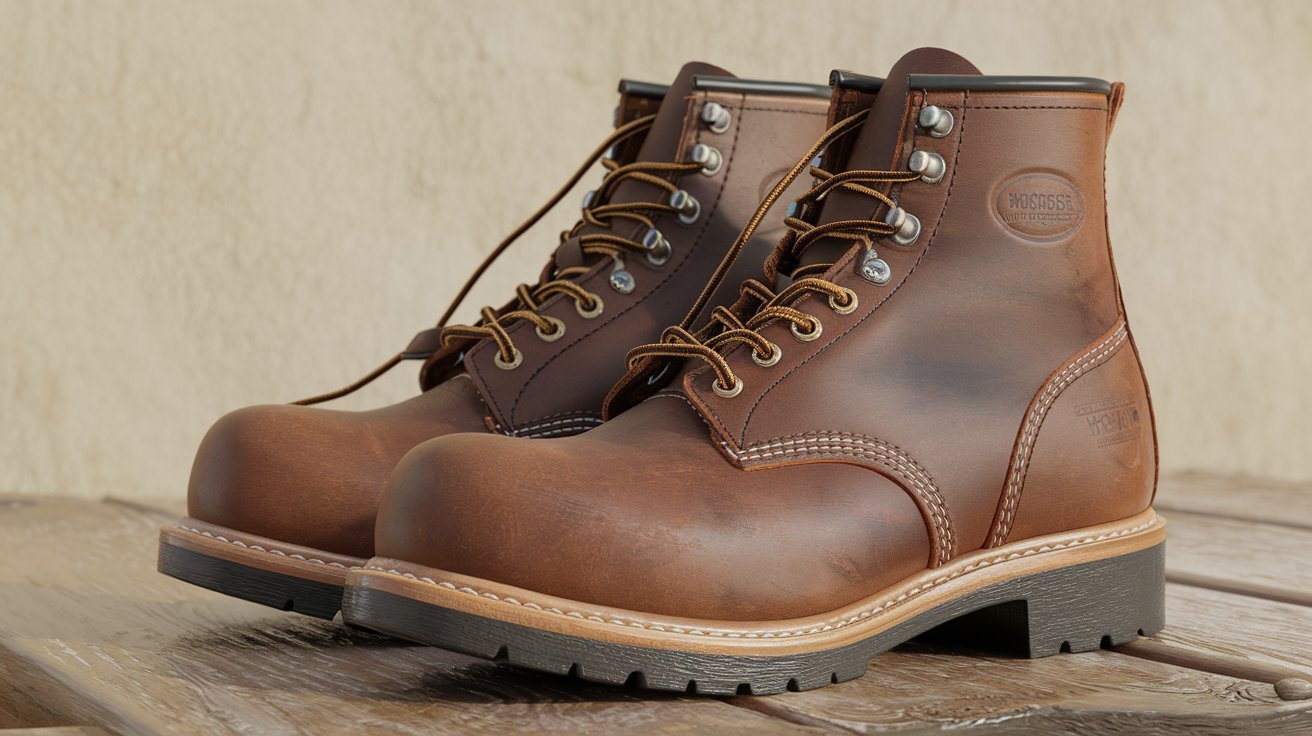
The heel design also improves grip on ladders, scaffolding, and uneven terrain. Most work boots with heels feature heel heights between 1.5 to 2.5 inches, providing optimal balance between stability and comfort. This elevation helps workers maintain better posture while carrying heavy materials or operating equipment, particularly beneficial for electricians, plumbers, and concrete workers who spend extended periods on their feet.
Types of Work Boots With Heels Available in 2024
The American work boot market offers diverse heeled boot options designed for specific industries and safety requirements. Understanding these categories helps workers select boots that match their job demands and personal preferences. Each type incorporates different heel designs, safety features, and construction materials.
Steel Toe Work Boots With Heels
Steel toe work boots with heels combine ANSI-approved toe protection with elevated heel designs for maximum safety. Leading manufacturers like Thorogood, Red Wing, and Wolverine offer models meeting ASTM F2413 standards with impact resistance up to 75 pounds and compression resistance of 2,500 pounds. These boots feature reinforced heel construction to support the additional weight while maintaining structural integrity throughout demanding workdays.
Waterproof Work Boots With Heels
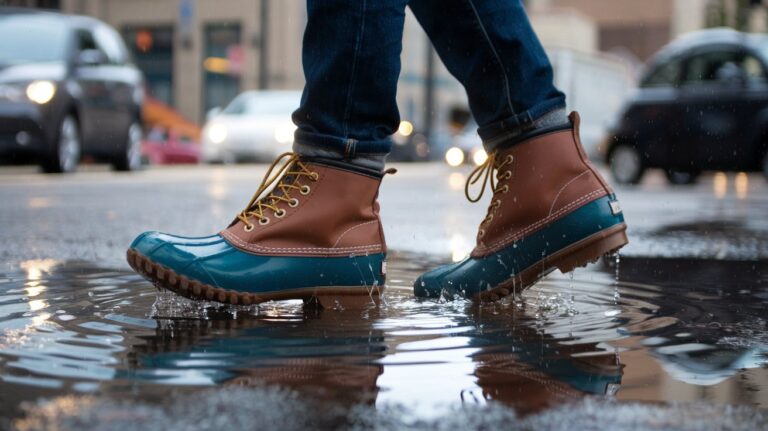
Waterproof work boots with heels incorporate advanced moisture-blocking technologies essential for outdoor construction and utilities work. Gore-Tex, proprietary leather treatments, and sealed seam construction prevent water infiltration while maintaining breathability. Popular models from Timberland PRO and Carhartt feature waterproof warranties ranging from 1-3 years, with heel designs optimized for wet surface traction.
Best Work Boots With Heels for Different Industries
Industry-specific requirements determine the ideal work boot with heels selection. Construction workers need different features than electricians or plumbers, making targeted recommendations essential for optimal performance and safety compliance.
Construction Worker Work Boots With Heels
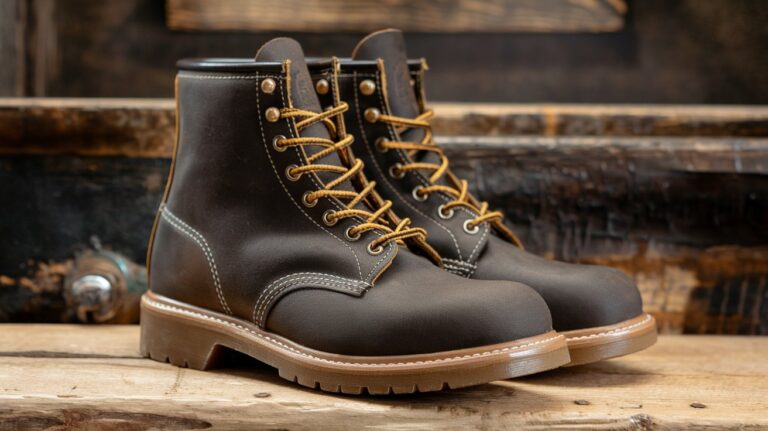
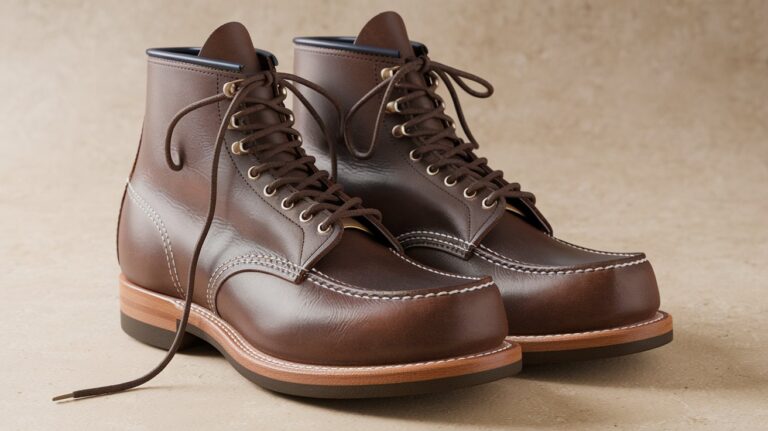
Construction sites demand durable work boots with heels that withstand concrete, steel, and heavy machinery environments. Top-rated options include the Thorogood American Heritage 8-inch moc toe with MAXWear Wedge sole and Red Wing Heritage 6-inch with Vibram outsole. These boots feature heel heights of 1.75-2 inches, providing stability on scaffolding while meeting OSHA safety requirements for construction zones.
Electrician and Plumber Work Boots With Heels
Electrical workers require work boots with heels featuring electrical hazard protection and slip-resistant soles for equipment rooms and utility areas. KEEN Utility and Timberland PRO offer EH-rated models with heel designs optimized for ladder climbing and confined space maneuverability. These specialized boots incorporate non-conductive heel materials and enhanced ankle support for overhead work positions.
Comfortable Work Boots With Heels Features
Comfortable work boots with heels incorporate advanced cushioning systems, arch support, and ergonomic design elements that reduce fatigue during 10-12 hour shifts. Premium comfort features distinguish quality boots from basic models, directly impacting worker productivity and long-term foot health.
Leading comfort technologies include memory foam insoles, shock-absorbing midsoles, and contoured heel cups that distribute weight evenly. Brands like KEEN work boots and Wolverine integrate proprietary cushioning systems with heel designs that complement natural foot mechanics. These features become increasingly important as workers age and require enhanced support for joint health.
Women’s Work Boots With Heels
Women’s work boots with heels address the unique fit and support needs of female workers in construction, manufacturing, and skilled trades. The women’s work boot market has expanded significantly in 2024, with specialized lasts and sizing options that accommodate different foot shapes and proportions compared to men’s boots.
Top manufacturers now offer women-specific work boots with heels featuring narrower heel cups, adjusted arch positioning, and heel heights optimized for female biomechanics. Brands like Wolverine, Timberland PRO, and KEEN provide comprehensive women’s lines with safety ratings equal to men’s models while maintaining feminine styling elements that appeal to professional women in trades.
How to Walk in Work Boots With a Heel
Proper walking technique in work boots with heels ensures safety, reduces fatigue, and maximizes boot lifespan. New wearers often experience adjustment periods lasting 1-2 weeks as muscles adapt to the elevated heel position and different stride mechanics.
Start with shorter work shifts when transitioning to heeled work boots, gradually increasing duration as comfort improves. Maintain slightly shorter strides compared to flat boots, allowing the heel to make contact before rolling through to the toe. Practice on various surfaces during break-in periods, focusing on controlled movements around equipment and obstacles common to your work environment.
Waterproof Work Boots Selection Guide
Waterproof work boots with heels require careful evaluation of sealing methods, breathability ratings, and durability under wet conditions. Not all waterproof technologies perform equally in different environments, making informed selection crucial for workers exposed to moisture, chemicals, or extreme weather conditions.
Gore-Tex remains the gold standard for waterproof breathable membranes, but proprietary systems from major boot manufacturers offer competitive performance at various price points. Consider your specific exposure requirements – brief moisture contact versus prolonged submersion – when selecting between different waterproofing approaches in work boots with heels.
Work Boots for Men vs Women: Key Differences
Work boots for men traditionally dominated the market, but women’s-specific designs now address anatomical differences that affect fit, comfort, and performance. Men’s boots typically feature wider toe boxes and different heel cup proportions, while women’s models accommodate narrower heels and different arch characteristics.
The rise of women in construction trades has driven innovation in women’s work boots with heels, with manufacturers investing in research to understand female-specific foot biomechanics. This specialization results in boots that perform better for women workers, reducing injury rates and improving job satisfaction across skilled trades.
Related video about work boots with heels
This video complements the article information with a practical visual demonstration.
What you should know
Why do some work boots have heels?
Work boots have heels to provide better posture support, reduce foot fatigue, and improve traction on ladders and uneven surfaces. The elevated heel helps maintain proper ankle positioning during long work shifts and provides better grip on construction equipment. Studies show 23% less foot fatigue with heeled work boots compared to flat alternatives.
What boots do most construction workers wear?
Most construction workers prefer steel toe work boots with heels from brands like Thorogood, Red Wing, and Wolverine. Popular models include the Thorogood American Heritage 8-inch moc toe and Red Wing Heritage series. These boots feature 1.75-2 inch heels, ANSI safety certification, and durable construction for demanding job sites.
Can I wear heeled boots to work?
Yes, you can wear heeled boots to work if they meet your employer’s safety requirements and dress code. Many work boots with heels are specifically designed for industrial environments and include safety features like steel toes, electrical hazard protection, and slip-resistant soles. Check with your supervisor about specific safety certifications required for your job.
How to walk in boots with a heel?
To walk properly in boots with heels, take slightly shorter strides and allow the heel to contact the ground first before rolling through to the toe. Practice on different surfaces during a 1-2 week break-in period, gradually increasing wear time. Maintain controlled movements around equipment and obstacles, and consider starting with shorter work shifts when transitioning to heeled boots.
| Boot Type | Key Features | Best For |
|---|---|---|
| Steel Toe Heeled | ANSI protection, 1.5-2.5 inch heel, impact resistance | Construction, manufacturing |
| Waterproof Heeled | Gore-Tex membrane, sealed seams, moisture protection | Outdoor work, utilities |
| Comfortable Heeled | Memory foam, arch support, cushioned midsole | Long shifts, standing work |
| Women’s Heeled | Female-specific fit, narrower heel cup, adjusted arch | Female workers in trades |