Can Boots Get Wet? Complete Guide to Water Damage & Care 2025
The question can boots get wet depends entirely on the boot material and construction. While waterproof boots are designed for wet conditions, leather boots can suffer significant damage from water exposure. Understanding how different boot materials react to moisture is crucial for maintaining your footwear investment and preventing costly replacements in 2025.
How Water Affects Different Boot Materials
Water interacts differently with various boot materials, making some more vulnerable than others. Leather boots are particularly susceptible to water damage because leather is porous and absorbs moisture rapidly. When water penetrates leather fibers, it causes swelling, stretching, and potential cracking as it dries. Synthetic materials like rubber and treated fabrics offer better water resistance but may still allow moisture penetration at seams.
The construction method also determines how well boots can get wet without damage. Welted boots with multiple layers create more entry points for water, while molded rubber boots provide complete waterproof protection. Understanding your boot’s material composition helps predict how it will respond to wet conditions and what preventive measures are necessary.
Leather Boot Water Vulnerability
Natural leather contains proteins and oils that water displaces, causing immediate structural changes. When leather boots get wet, the fibers swell and lose their natural flexibility. Full-grain leather typically handles moisture better than corrected grain leather due to its intact surface structure. However, all untreated leather will absorb water and potentially suffer permanent damage without proper care.
Synthetic and Waterproof Materials
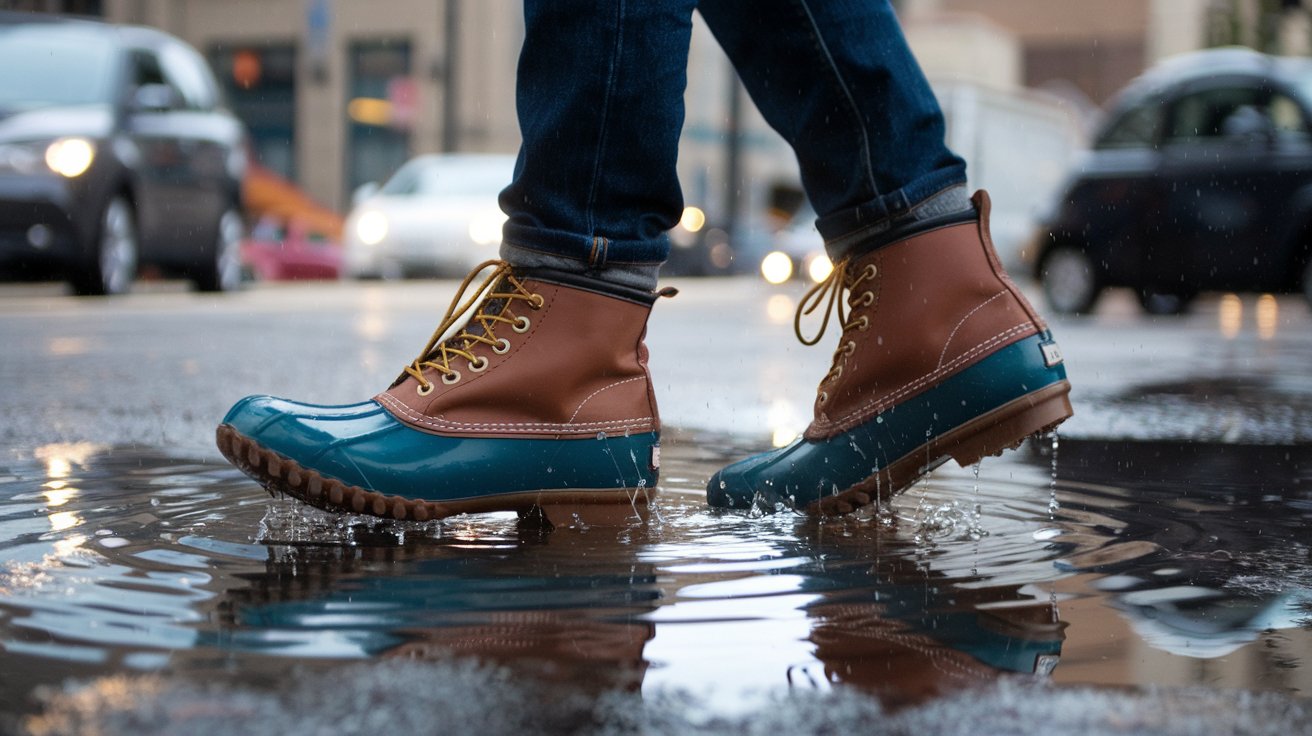
Modern synthetic materials and waterproof boots utilize advanced membrane technologies like Gore-Tex or proprietary waterproof linings. These materials prevent water penetration while allowing vapor transfer, keeping feet dry in wet conditions. Rubber boots offer complete water protection but lack breathability. Understanding these material differences helps determine which boots are suitable for specific wet weather conditions.
Immediate Effects When Boots Get Wet
When boots get wet unexpectedly, several immediate changes occur that require prompt attention. Leather begins absorbing water within minutes, causing visible darkening and gradual softening of the material. The boot’s interior may become damp, creating uncomfortable conditions and potential bacterial growth. Salt stains from wet pavement can appear on the surface, requiring specific cleaning techniques to prevent permanent discoloration.
Temperature changes compound water damage effects. Wet boots in cold conditions may develop ice crystals that expand leather fibers beyond their normal capacity. Conversely, wet boots exposed to heat sources like radiators or direct sunlight can crack and shrink as moisture evaporates too quickly. Recognizing these immediate effects allows for proper intervention to minimize long-term damage.
Long-Term Water Damage Consequences
Repeated water exposure creates cumulative damage that significantly shortens boot lifespan. Leather boots subjected to frequent wetting develop permanent stiffness, cracking along stress points, and loss of natural oils that provide flexibility. The leather’s grain structure breaks down, creating a rough, uneven texture that cannot be restored through conditioning alone.
Structural integrity compromises occur when water repeatedly penetrates boot construction. Adhesives used in sole attachment may weaken, causing separation between the upper and sole. Thread rot in stitched construction creates weak points that can lead to sudden failure. These long-term consequences make proper water protection essential for maintaining boot durability and appearance over time.
Permanent Texture and Flexibility Changes
Water damage creates irreversible changes to leather texture and flexibility. Wet leather boots that dry improperly develop a cardboard-like stiffness that never fully returns to its original suppleness. The natural grain pattern may become distorted, creating an aged, weathered appearance that some find desirable but represents structural degradation. These permanent changes affect both comfort and boot longevity.
Increased Vulnerability to Future Damage
Once leather has been water-damaged, it becomes more susceptible to future moisture problems. The compromised structure allows faster water penetration and creates weak spots prone to cracking. Boots with previous water damage require more frequent conditioning and waterproofing treatments to maintain basic protection levels. This increased maintenance requirement adds long-term ownership costs.
Types of Boots Most Vulnerable to Water
Certain boot types face higher water damage risks due to their material composition and construction methods. Suede and nubuck boots rank among the most vulnerable because their brushed surface texture traps water and stains permanently. These materials lack the protective surface finish found on smooth leather, making them particularly susceptible to water spots and discoloration.
Cowboy boots with their thin leather construction and minimal waterproofing present unique challenges when exposed to water. The pointed toe design and high shaft create areas where water can pool, causing concentrated damage. Work boots with multiple material combinations may experience differential water absorption rates, leading to separation at junction points between materials.
Suede and Nubuck Vulnerability
Suede and nubuck leathers feature raised fiber surfaces that absorb water like sponges. When these boots get wet, the fibers mat down and create permanent texture changes. Water spots become visible marks that resist removal, and the material’s natural color may shift permanently. Professional restoration is often required to address water damage on these delicate leather types.
Exotic Leather Water Sensitivity
Exotic leathers like snake, alligator, and ostrich require special consideration when exposed to water. These materials often lack the natural water resistance of cowhide and may develop scale separation or permanent scarring when wet. The irregular surface textures of exotic leathers can trap water in crevices, leading to bacterial growth and odor problems that are difficult to eliminate.
How to Tell If Your Boots Are Waterproof
Determining waterproof capabilities requires examining construction details and material specifications. Truly waterproof boots feature sealed seams, waterproof membranes, and specific material treatments designed to prevent water penetration. Look for manufacturer waterproof ratings, membrane brand names like Gore-Tex, and construction features like gusseted tongues that prevent water entry through lacing systems.
Simple water tests can reveal boot water resistance levels without causing damage. Place a few drops of water on the leather surface and observe absorption rates. Waterproof boots will cause water to bead and roll off, while untreated leather will absorb water within seconds. However, water resistance can diminish over time, requiring periodic reapplication of waterproofing treatments.
What to Do When Boots Get Wet
Immediate action when boots get wet significantly reduces potential damage. Remove boots promptly and extract as much moisture as possible using absorbent materials. Stuff boots with newspaper or paper towels to maintain shape and absorb internal moisture. Change stuffing materials every few hours during the initial drying period to maximize moisture removal efficiency.
Proper drying techniques prevent most water-related damage. Allow wet boots to air dry at room temperature, avoiding direct heat sources that cause rapid moisture loss and cracking. Position boots in well-ventilated areas and consider using boot trees to maintain proper shape during drying. The complete drying process may take 24-48 hours depending on boot construction and moisture levels.
Emergency Water Removal Techniques
When boots get wet in emergency situations, quick moisture removal prevents extensive damage. Use absorbent cloths to blot surface water immediately, working from outside edges toward seams to prevent water from penetrating deeper. Remove insoles if possible and dry them separately to prevent bacterial growth and odor development. These immediate actions buy time for proper drying procedures.
Professional Drying Methods
Severe water exposure may require professional restoration services. Specialized equipment like dehumidifying chambers and controlled-temperature drying rooms can salvage boots that would otherwise suffer permanent damage. Professional services also include leather conditioning treatments that restore natural oils displaced by water exposure, helping maintain long-term durability and appearance.
Preventing Water Damage to Your Boots
Proactive waterproof treatments provide the best protection against water damage. High-quality leather conditioners and waterproofing products create protective barriers that repel water while maintaining leather breathability. Apply treatments to clean, dry boots and allow proper cure time before exposure to wet conditions. Reapplication schedules depend on usage frequency and environmental conditions.
Seasonal preparation helps maintain boot water resistance throughout the year. Pre-treat boots before rainy seasons with appropriate waterproofing products for your specific leather type. Store boots with cedar shoe trees to maintain shape and absorb residual moisture. Regular inspection identifies potential weak points where water might penetrate, allowing for preventive maintenance before problems develop.
Related video about can boots get wet
This video complements the article information with a practical visual demonstration.
FAQ – Common Questions
Is it bad if your boots get wet?
It depends on the boot material and how quickly you address the moisture. Waterproof boots handle water well, but leather boots can suffer permanent damage including cracking, stiffness, and texture changes if not properly dried. Quick action with proper drying techniques minimizes damage to most boot types.
Can leather boots get ruined in the rain?
Yes, untreated leather boots can be permanently damaged by rain exposure. Water causes leather fibers to swell and lose natural oils, leading to cracking, stiffness, and texture changes. However, properly waterproofed leather boots with prompt care after wet exposure can survive rain without significant damage.
How do you tell if boots are waterproof?
Check for manufacturer waterproof ratings, sealed seams, and membrane technologies like Gore-Tex. Perform a water drop test – waterproof boots will cause water to bead and roll off, while regular leather absorbs water quickly. Look for gusseted tongues and other construction features designed to prevent water entry.
What should you do if cowboy boots get wet?
Remove wet cowboy boots immediately and stuff with newspaper to absorb moisture and maintain shape. Allow them to air dry at room temperature, avoiding direct heat. Once completely dry, apply leather conditioner to restore natural oils. Consider waterproofing treatment before future wear in wet conditions.
Can you get medical boots wet?
Most medical boots are designed with water-resistant materials for hygiene purposes, but you should check manufacturer specifications. Walking boots for injuries typically shouldn’t get wet as moisture can compromise padding and create bacterial growth. Consult your healthcare provider about specific water exposure guidelines for your medical boot type.
Why do wet shoes develop a bad smell?
Wet shoes create ideal conditions for bacterial and fungal growth, which produce unpleasant odors. Moisture trapped in materials provides the perfect environment for microorganisms to multiply. Proper drying, antifungal treatments, and breathable materials help prevent odor development in wet footwear.
| Boot Material | Water Resistance Level | Care Requirements |
|---|---|---|
| Waterproof Synthetic | Excellent | Minimal – basic cleaning |
| Treated Leather | Good with maintenance | Regular waterproofing |
| Untreated Leather | Poor | Immediate drying, conditioning |
| Suede/Nubuck | Very Poor | Professional restoration if wet |