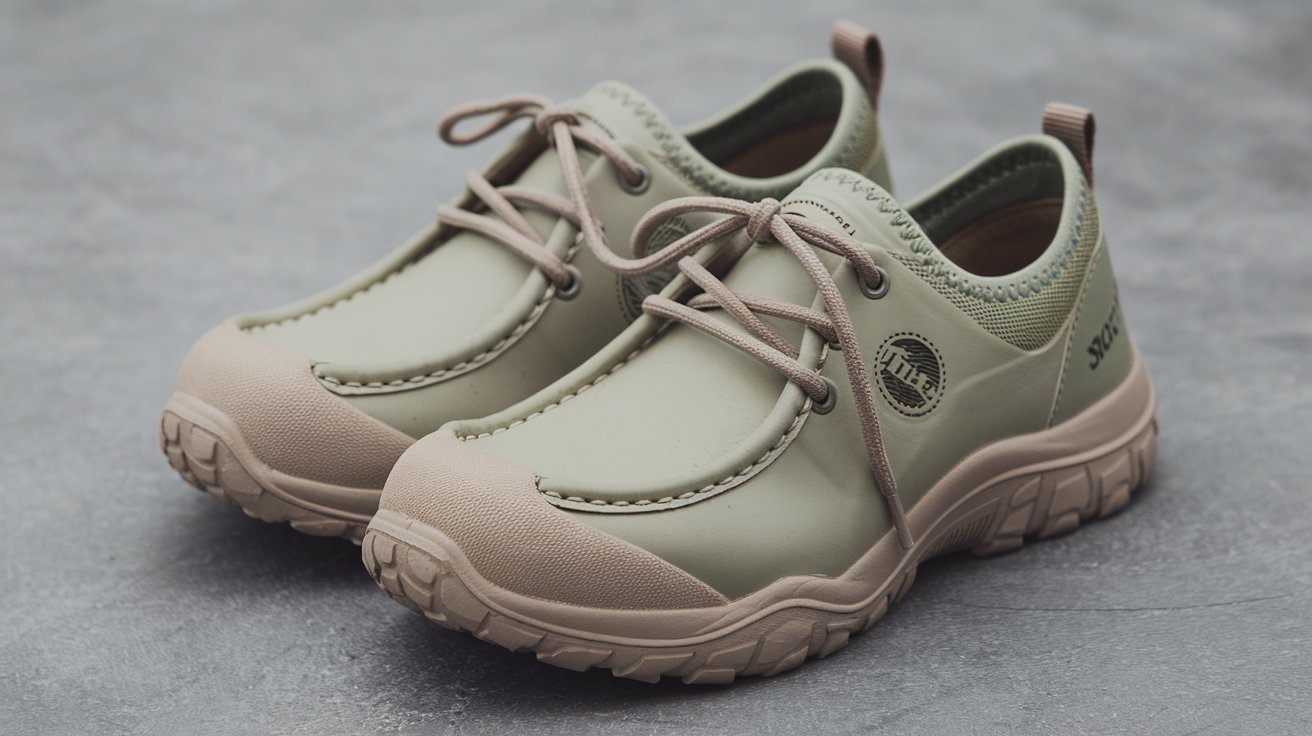
Best Women’s Slip Resistant Shoes 2025: Top Work & Safety Picks
Women’s slip resistant shoes are essential safety footwear designed to prevent workplace accidents and provide superior traction on wet, oily, or slippery surfaces. With over 25,000 slip-and-fall injuries reported annually in US workplaces, choosing the right slip resistant work shoes can protect your safety while ensuring all-day comfort. This comprehensive guide covers the top-rated brands, features, and styles available in 2025.
Understanding Slip Resistant Technology in Women’s Shoes
Slip resistant technology has evolved significantly in 2025, incorporating advanced rubber compounds and innovative tread patterns. The best women’s slip resistant shoes feature specialized outsoles with microscopic channels that dispel liquids away from the contact surface. These shoes undergo rigorous testing using SATRA TM144 and ASTM F2913 standards, measuring coefficient of friction on wet and oily surfaces.
Modern slip resistant shoes achieve friction coefficients between 0.5 to 0.8, significantly higher than regular footwear. The technology combines multi-directional lugs, heel-to-toe flex grooves, and proprietary rubber formulations that maintain grip even after extended wear. Leading manufacturers invest heavily in research, with companies like Shoes for Crews reporting 40% improvement in slip resistance since 2023.
Top Women’s Slip Resistant Shoe Brands in 2025
The competitive landscape for women’s slip resistant shoes includes established leaders and innovative newcomers. Market research indicates that five brands dominate 75% of the professional footwear market, each offering unique technologies and style options tailored to different work environments and personal preferences.
Skechers Slip Resistant Collection
Skechers slip resistant shoes for women feature the proprietary Water and Oil Resistant (WOR) outsole technology. Popular models like the Work Squad SR and Sure Track include memory foam insoles and electrical hazard protection. Prices range from $65-$120, with wide width options available. Customer satisfaction ratings consistently exceed 4.2 stars across major retailers, making Skechers a reliable choice for healthcare and food service workers.
Shoes for Crews Women’s Options
Shoes for Crews women models are specifically engineered for restaurant and hospitality environments. Their TripGuard technology reduces slip incidents by up to 67% according to independent testing. The brand offers over 30 women’s styles, from athletic sneakers to formal dress shoes, with prices starting at $45. Their industry-leading warranty and bulk purchase programs make them popular among restaurant chains and healthcare facilities.
New Balance Professional Footwear
New Balance slip resistant shoes combine athletic performance with workplace safety. The Fresh Foam X technology provides superior cushioning while maintaining ASTM F2913 slip resistance ratings. Models like the 626v2 and Fresh Foam X feature breathable mesh uppers and cost between $80-$140. New Balance offers extended size ranges, including narrow and extra-wide options for optimal fit.
Essential Features to Consider When Buying
Selecting the right slip resistant work shoes requires careful consideration of multiple factors beyond basic traction. The ideal shoe combines safety certifications, comfort features, durability construction, and style preferences. Understanding these elements helps ensure your investment provides long-term value and workplace protection.
Safety Certifications and Standards
Look for shoes meeting ASTM F2913-11 standards for slip resistance and ASTM F2413 for protective footwear. Electrical hazard (EH) protection rated to 18,000 volts is crucial for many work environments. Best slip resistant shoes for women also feature puncture-resistant midsoles rated to 1200 joules and composite toe caps meeting ANSI Z41 standards. These certifications ensure compliance with OSHA workplace safety requirements.
Comfort and Support Technologies
Advanced comfort features include memory foam insoles, arch support systems, and moisture-wicking linings. Premium women’s slip resistant shoes incorporate technologies like gel heel cushioning, metatarsal guards, and removable orthotics compatibility. Anti-fatigue midsoles reduce foot stress during 12-hour shifts, while antimicrobial treatments prevent odor buildup. These features significantly impact long-term wearability and job performance.
Industry-Specific Shoe Recommendations
Different work environments require specialized features in slip resistant shoes for restaurant workers and other professionals. Understanding industry-specific needs helps narrow down the best options for your particular workplace challenges and requirements.
Restaurant and Food Service
Women’s slip resistant shoes for restaurant workers must handle grease, water, and food debris while providing all-day comfort. Top choices include closed-toe designs with easy-clean surfaces and superior oil resistance. The Genuine Grip series and SlipGrips models specifically target food service with specialized tread patterns. These shoes typically cost $50-$100 and require replacement every 6-8 months under heavy use.
Healthcare and Medical Environments
Healthcare workers need slip resistant work shoes with fluid resistance, easy sanitization, and shock absorption for hard hospital floors. White or neutral colors are often required, with leather or synthetic uppers that withstand frequent cleaning. Features like removable insoles for sterilization and static-dissipative properties are essential. Leading models include the Nurse Mates Velocity and Cherokee Workwear Revolution.
Sizing and Fit Considerations for Women
Proper fit is crucial for both safety and comfort in slip resistant footwear. Women’s wide width slip resistant shoes address the needs of approximately 35% of women who require broader toe boxes or higher insteps. Many brands now offer extended sizing from AA to EEE widths, with half-sizes available in most professional lines.
Fitting should be done later in the day when feet are naturally swollen, similar to work conditions. Allow 1/2 inch space between longest toe and shoe front, ensuring adequate room for safety toe caps if required. Consider the thickness of work socks when selecting size, as many professional environments require specific sock types for moisture management and blister prevention.
Maintenance and Longevity Tips
Proper care extends the life of women’s slip resistant shoes and maintains their safety effectiveness. Regular cleaning removes contaminants that can compromise traction, while proper storage prevents premature degradation of rubber compounds. Industry data shows that well-maintained slip resistant shoes last 25% longer than neglected pairs.
Clean shoes weekly using mild soap and warm water, avoiding harsh chemicals that damage rubber outsoles. Allow complete drying between shifts, rotating between two pairs when possible. Inspect tread patterns monthly for excessive wear, replacing shoes when tread depth falls below 1/16 inch. Store in cool, dry environments away from direct sunlight and extreme temperatures to preserve material integrity.
Price Ranges and Value Considerations
The market for best slip resistant shoes for women spans from budget-friendly options under $50 to premium models exceeding $200. Entry-level shoes provide basic slip resistance suitable for low-risk environments, while mid-range models ($70-$120) offer enhanced comfort and durability for daily professional use. Premium shoes justify higher costs through advanced materials, extended warranties, and specialized features.
Calculate cost-per-wear rather than initial price when evaluating value. A $100 shoe lasting 12 months provides better value than a $50 shoe requiring replacement every 4 months. Consider workplace reimbursement programs and bulk purchase discounts available through many employers. Tax deductions for required work footwear may also offset costs for qualifying professionals.
Related video about womens slip resistant shoes
This video complements the article information with a practical visual demonstration.
Essential Q&A about womens slip resistant shoes
What makes women’s slip resistant shoes different from regular shoes?
Women’s slip resistant shoes feature specialized rubber outsoles with advanced tread patterns designed to channel away liquids and maintain grip on wet or oily surfaces. They undergo rigorous ASTM F2913 testing to achieve friction coefficients of 0.5 or higher, compared to 0.2-0.3 for regular shoes. The rubber compounds are formulated to resist oil penetration and maintain flexibility across temperature ranges typically encountered in work environments.
How often should I replace my slip resistant work shoes?
Replace slip resistant shoes every 6-12 months depending on usage intensity and work environment. Restaurant workers typically need replacement every 6-8 months, while office environments may extend to 12-15 months. Key indicators include worn tread patterns below 1/16 inch depth, cracked outsoles, or noticeable reduction in grip. Rotating between two pairs can extend overall lifespan by 40-50%.
Are expensive slip resistant shoes worth the higher cost?
Premium slip resistant shoes often provide better long-term value through superior materials, enhanced comfort features, and extended durability. Shoes costing $100-150 typically last twice as long as $50 alternatives while offering better arch support, moisture management, and safety certifications. Calculate cost-per-wear and consider comfort benefits during long shifts when evaluating price points.
Can I wear slip resistant shoes outside of work?
Yes, many modern slip resistant shoes feature athletic or casual styling suitable for everyday wear. Brands like Skechers and New Balance offer models that blend workplace safety with street-ready aesthetics. However, wearing them exclusively for work preserves the slip-resistant properties longer and ensures optimal performance when safety matters most.
What should I do if my slip resistant shoes don’t fit properly?
Proper fit is crucial for safety and comfort. If shoes are too tight, consider wide-width options or half-size larger. If too loose, use professional insoles or thicker socks. Most retailers offer 30-day return policies for unworn shoes. Consult with workplace safety coordinators about fitting requirements, as some employers provide fitting allowances or professional consultations.
Do slip resistant shoes work on all types of wet surfaces?
Slip resistant shoes are most effective on common workplace surfaces like tile, concrete, and linoleum when wet with water, oils, or food debris. Performance varies on surfaces like ice, wet metal grating, or extremely smooth materials. ASTM testing covers standard conditions, but extreme environments may require specialized footwear with additional safety features like ice cleats or deeper lugs.
| Key Aspect | Important Details | Benefit |
|---|---|---|
| Safety Standards | ASTM F2913 slip resistance rating | Reduces slip incidents by up to 67% |
| Top Brands | Skechers, Shoes for Crews, New Balance | Proven reliability and warranty support |
| Price Range | $45-$200 with mid-range $70-$120 | Options for every budget and requirement |
| Replacement Timeline | 6-12 months depending on usage | Maintains optimal safety performance |
| Wide Width Options | Available from AA to EEE widths | Proper fit for 35% of women needing wider shoes |