Best Safety Shoes for Men 2025: Steel Toe & Composite Guide
Finding the right safety shoes for men is crucial for workplace protection and comfort. With over 125,000 foot injuries occurring annually in US workplaces according to 2024 OSHA data, selecting proper protective footwear can prevent serious injuries while ensuring all-day comfort. This comprehensive guide covers the best safety shoes available in 2025, helping you choose between steel toe and composite options for your specific work environment.
Types of Safety Shoes for Men in 2025
Modern safety shoes for men come in several distinct categories, each designed for specific workplace hazards and comfort requirements. The construction industry alone employs over 7.8 million workers in the United States, making proper footwear selection critical. Understanding these types helps you make informed decisions based on your work environment and safety requirements.
Today’s work shoes for men incorporate advanced materials and technologies that weren’t available just five years ago. From lightweight composite materials to moisture-wicking linings, these innovations address the most common complaints workers had about traditional safety footwear.
Steel Toe Safety Shoes
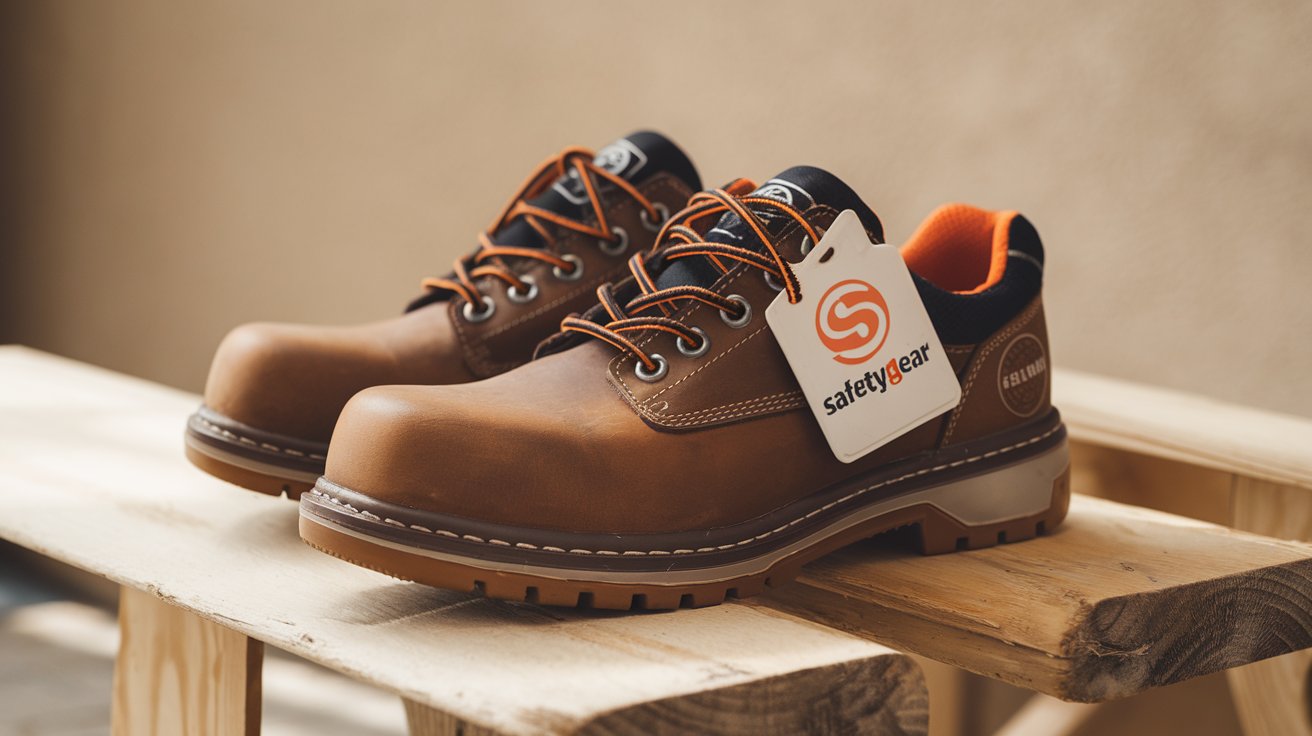
Steel toe safety shoes remain the gold standard for heavy-duty protection, offering superior impact resistance up to 75 pounds of force. These shoes feature reinforced steel caps that protect against falling objects, crushing hazards, and electrical risks in industrial settings. Manufacturing, construction, and automotive industries continue to prefer steel toe options for their proven durability and safety record.
Composite Toe Work Shoes
Composite toe safety shoes use materials like carbon fiber, Kevlar, or plastic to provide protection without metal components. These shoes are 30% lighter than steel alternatives and offer better insulation properties, making them ideal for electrical work and temperature-sensitive environments. The composite construction also eliminates metal detector interference, essential for security-conscious workplaces.
Best Safety Shoe Brands for Men 2025
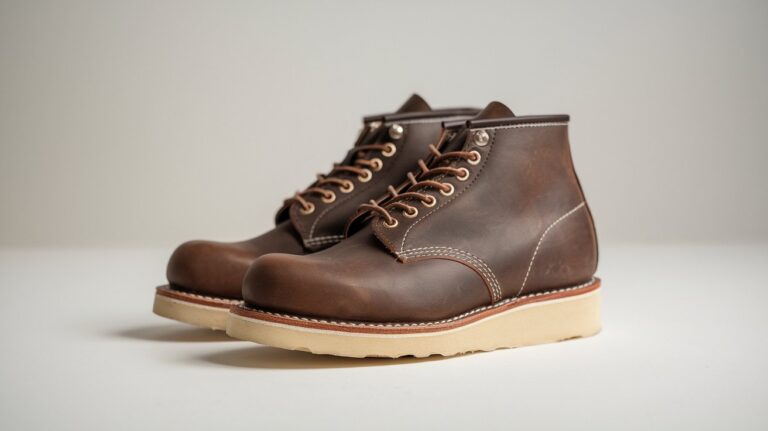
The best safety shoes come from established manufacturers who invest heavily in research and development. Leading brands like Timberland PRO, Red Wing, and Caterpillar have dominated the US market, with combined sales exceeding $2.4 billion in 2024. These companies consistently innovate to meet evolving workplace safety standards and worker comfort demands.
When evaluating the best brand for your needs, consider factors beyond just protection levels. Modern workers demand shoes that perform well during 8-12 hour shifts while maintaining professional appearance standards required in many workplaces today.
Premium Safety Shoe Manufacturers
Top-tier manufacturers like Red Wing and Timberland PRO offer safety shoes for men with advanced features including anti-fatigue technology, electrical hazard protection, and slip-resistant outsoles. These brands typically price their products between $150-$300, reflecting superior materials and construction methods that extend shoe lifespan to 12-18 months under normal use.
Value-Oriented Safety Footwear Brands
Budget-conscious workers can find quality work shoes for men from brands like KEEN Utility, Skechers Work, and Wolverine starting around $80-$120. These manufacturers focus on essential safety features while maintaining reasonable pricing, making protective footwear accessible to more workers across various industries and income levels.
Most Comfortable Safety Shoes for Standing All Day
Workers who spend entire shifts on their feet need comfortable safety shoes with advanced cushioning and support systems. Research from the American Podiatric Medical Association shows that proper footwear can reduce foot fatigue by up to 40% during long work days. Features like memory foam insoles, arch support, and shock-absorbing midsoles become essential for maintaining productivity and preventing injury.
The most comfortable options incorporate technologies borrowed from athletic footwear, including air cushioning systems and ergonomic sole designs. These innovations help distribute weight evenly across the foot, reducing pressure points that cause discomfort during extended standing periods.
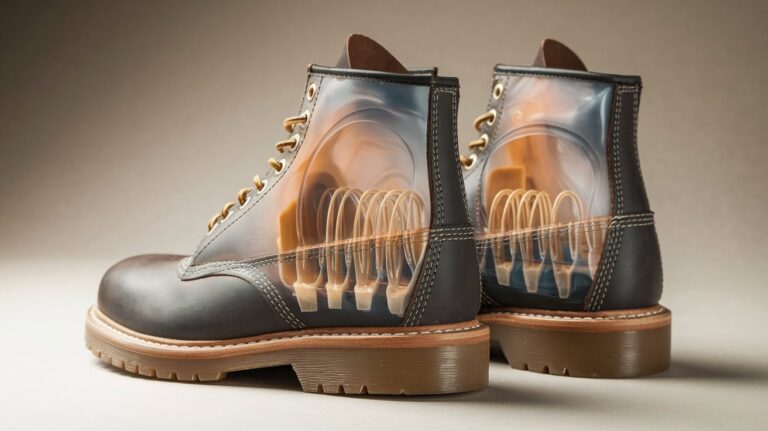
Cushioning Technologies in Safety Footwear
Modern safety shoes feature advanced cushioning like polyurethane midsoles, gel inserts, and air pocket systems that provide superior comfort during long shifts. These technologies can reduce impact forces by 25-35% compared to traditional safety footwear, significantly improving worker comfort and reducing fatigue-related accidents.
Ergonomic Design Features
Ergonomically designed work shoes for men incorporate contoured footbeds, proper arch support, and heel stabilization to promote natural foot alignment. These features help prevent common workplace injuries like plantar fasciitis and reduce the risk of slips and falls caused by foot fatigue and poor balance.
Waterproof Safety Shoes for Men
Waterproof safety shoes for men are essential for outdoor work, construction, and industrial environments where moisture exposure is common. These shoes feature sealed seams, water-resistant materials, and specialized membranes that keep feet dry while maintaining breathability. The outdoor construction market, valued at over $180 billion in 2024, drives significant demand for these specialized work shoes.
Quality waterproof construction prevents moisture-related foot problems like blisters, fungal infections, and cold-related injuries that can sideline workers for days or weeks. Modern waterproof technologies balance protection with comfort, ensuring feet stay dry without overheating during physical work.
Casual Safety Shoes for Men
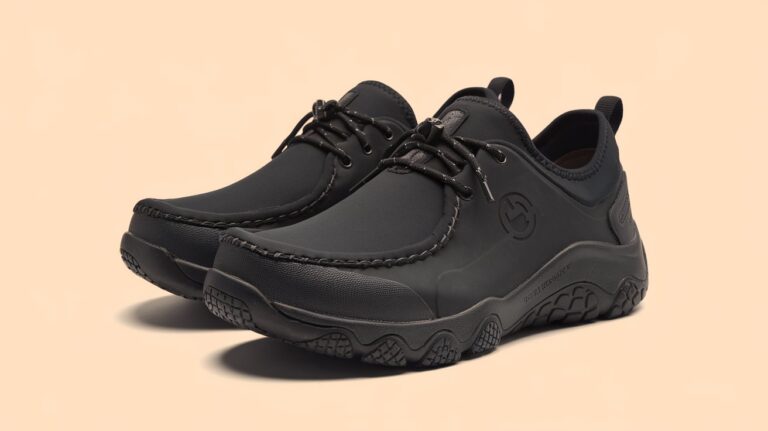
Casual safety shoes for men blend workplace protection with everyday style, perfect for jobs requiring client interaction or office visits. These shoes look like regular sneakers or casual shoes while meeting ASTM safety standards for toe protection and slip resistance. The trend toward more relaxed workplace dress codes has increased demand for safety footwear that doesn’t look overtly industrial.
Modern casual designs incorporate leather uppers, athletic-inspired styling, and neutral colors that complement business casual attire. This versatility allows workers to wear the same shoes from jobsite to office, eliminating the need for multiple pairs of footwear.
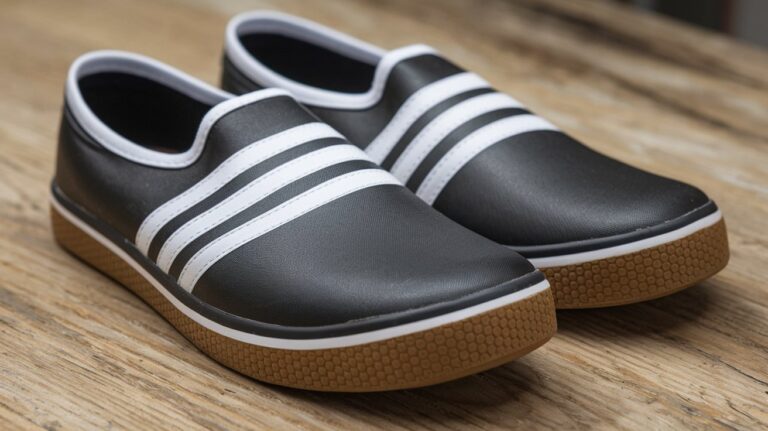
Athletic-Style Safety Shoes
Athletic-inspired casual safety shoes feature sneaker-like designs with hidden safety features, making them popular among younger workers and those in customer-facing roles. These shoes often include moisture-wicking linings, lightweight construction, and modern colorways that appeal to style-conscious professionals.
Business Casual Safety Footwear
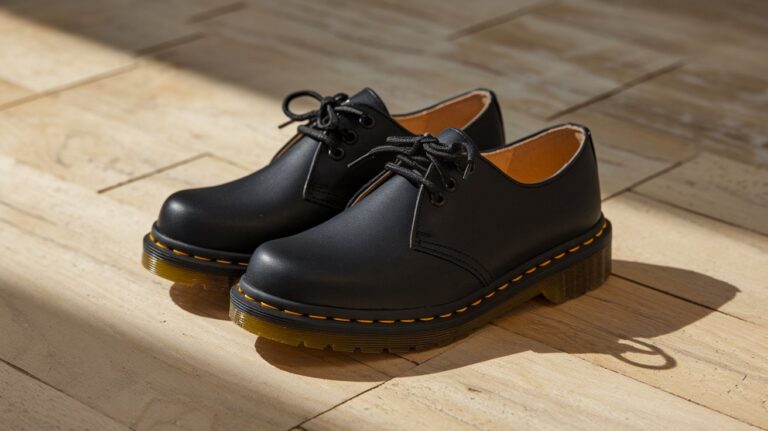
Professional-looking safety shoes with oxford or loafer styling meet workplace dress codes while providing essential protection. These designs work well in manufacturing facilities with office components, retail environments, and light industrial settings where appearance matters as much as safety.
Steel Toe vs Composite Toe: Which is Better?
The choice between steel toe and composite toe safety shoes depends on specific workplace requirements and personal preferences. Steel toes offer superior impact protection and durability, making them ideal for heavy industrial work, while composite toes provide lighter weight and better insulation properties. Both options meet ASTM F2413 standards for impact and compression resistance.
Consider your work environment when making this decision. Electrical workers, airport security personnel, and those working in extreme temperatures often prefer composite options, while construction workers, welders, and heavy equipment operators typically choose steel for maximum protection.
How to Stop Feet from Hurting in Steel Toe Shoes
Preventing foot pain in steel toe shoes requires proper fitting, quality insoles, and gradual break-in periods. Many workers experience discomfort because they choose shoes that are too small or fail to account for the additional space needed for steel toe construction. Proper fitting should include a thumb’s width of space between your longest toe and the shoe’s end.
Quality aftermarket insoles can significantly improve comfort by providing better arch support and cushioning. Gel insoles, memory foam options, and custom orthotics help distribute pressure evenly and reduce hurting associated with long work shifts. Breaking in new shoes gradually over several days prevents blisters and allows your feet to adjust to the new footwear.
Finding Safety Shoes for Men Near Me
Locating Safety Shoes for Men near me requires knowing where to look for quality retailers and fitting services. Major home improvement stores like Home Depot and Lowe’s carry basic safety footwear, while specialty workwear stores offer wider selections and professional fitting services. Online retailers provide the largest selections but require careful attention to sizing and return policies.
Local safety supply stores often provide the best combination of selection, expertise, and fitting services. These specialized retailers understand workplace requirements and can recommend appropriate footwear based on your specific industry and safety needs.
Related video about safety shoes for men
This video complements the article information with a practical visual demonstration.
Frequently Asked Questions
What are the most comfortable safety shoes for standing all day?
The most comfortable safety shoes for extended standing feature memory foam insoles, anti-fatigue technology, and ergonomic designs. Top-rated options include Timberland PRO Powertrain, Red Wing SuperSole 2.0, and KEEN Utility Braddock models. These shoes incorporate advanced cushioning systems that reduce foot fatigue by up to 40% during 8-12 hour shifts, according to worker comfort studies.
What brand of safety shoes is the best?
The best safety shoe brands include Red Wing, Timberland PRO, Caterpillar, and Wolverine, which dominate the US market with proven track records for quality and durability. Red Wing leads in heavy-duty applications, while Timberland PRO excels in comfort technology. The choice depends on your specific work environment, with each brand offering specialized features for different industries and safety requirements.
What’s better, steel toe or composite toe?
Steel toe shoes offer superior impact protection and durability for heavy industrial work, while composite toe shoes are 30% lighter with better insulation properties. Steel toes excel in construction and manufacturing, while composite toes are better for electrical work, airport security, and temperature-sensitive environments. Both meet ASTM F2413 safety standards for impact and compression resistance.
How to stop feet from hurting in steel toe shoes?
Prevent foot pain by ensuring proper fit with a thumb’s width of space beyond your longest toe, using quality aftermarket insoles for better support, and breaking in new shoes gradually. Consider gel or memory foam insoles to distribute pressure evenly, choose moisture-wicking socks, and allow feet to adjust over several days rather than wearing new steel toe shoes for full shifts immediately.
Are waterproof safety shoes worth the extra cost?
Waterproof safety shoes are worth the investment for workers in outdoor, construction, or wet industrial environments. They prevent moisture-related foot problems, reduce sick days due to fungal infections, and maintain comfort during extended exposure to wet conditions. The additional $20-$50 cost typically pays for itself through improved worker health and reduced medical expenses.
How often should I replace my safety shoes?
Replace safety shoes every 6-12 months depending on usage intensity, or when the sole shows significant wear, the toe protection becomes damaged, or comfort decreases noticeably. Workers in heavy industrial settings may need replacement every 6 months, while office workers with light safety requirements might extend replacement to 12-18 months. Regular inspection ensures continued protection and prevents injury.
| Safety Feature | Steel Toe Options | Composite Toe Benefits |
|---|---|---|
| Impact Protection | Superior durability, 75+ lbs force resistance | Meets ASTM standards, lighter weight |
| Comfort Level | Heavier but proven reliability | 30% lighter, better insulation |
| Price Range | $80-$250 depending on features | $100-$300 for advanced materials |
| Best Applications | Construction, manufacturing, welding | Electrical work, security, extreme temps |