Best Chef Shoes 2025: Top 15 Professional Kitchen Footwear
Professional chefs spend 10-14 hours daily on their feet in demanding kitchen environments, making the right footwear crucial for safety, comfort, and performance. The best chef shoes combine slip-resistant soles, waterproof materials, and superior cushioning to protect against kitchen hazards while providing all-day comfort. This comprehensive guide reviews the top professional kitchen footwear options for 2025, helping you choose shoes that meet industry standards and personal needs.
What Makes the Best Chef Shoes for Professional Kitchens
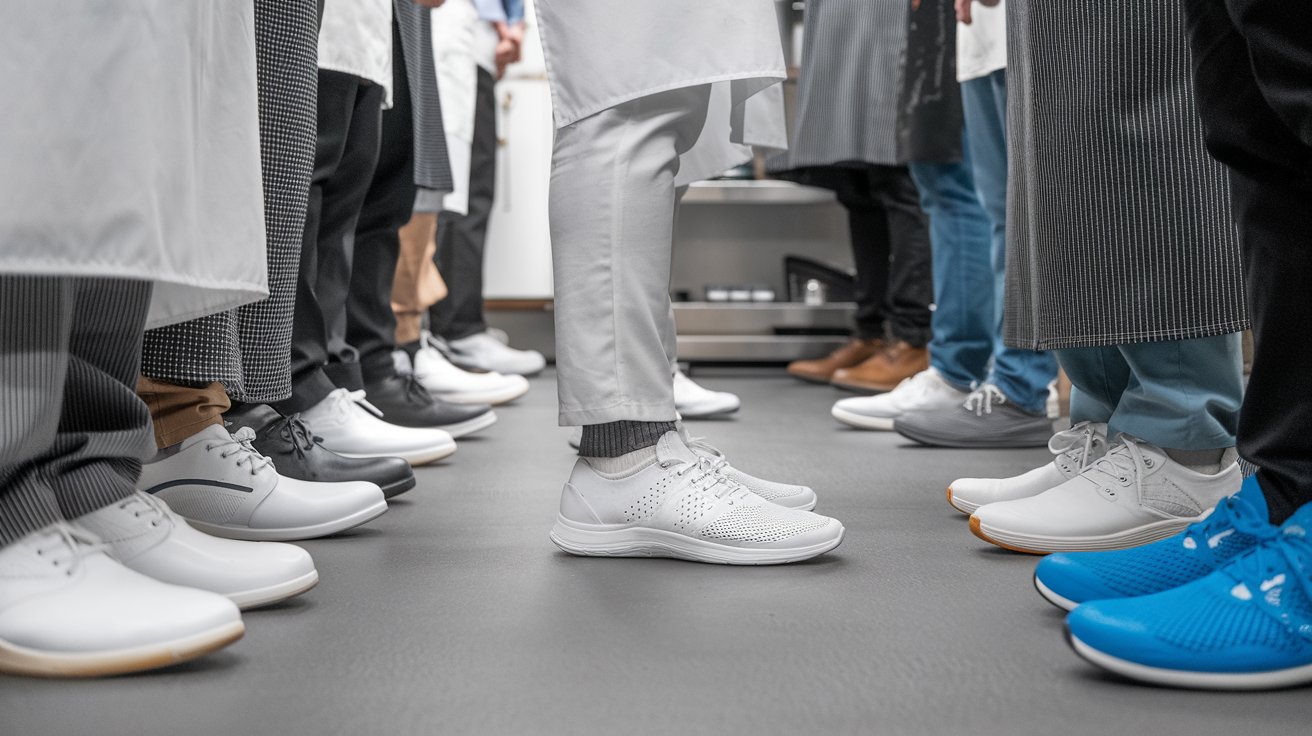
Professional kitchen environments demand footwear that meets specific safety and performance criteria. The best chef shoes must feature slip-resistant outsoles with deep treads to prevent accidents on wet, greasy floors common in commercial kitchens. These shoes require waterproof or water-resistant uppers to protect feet from spills, hot liquids, and cleaning chemicals used daily in food service operations.
Comfort becomes paramount when chefs work 12-hour shifts without breaks. Top-quality chef shoes incorporate memory foam insoles, arch support systems, and cushioned midsoles to reduce foot fatigue and prevent common issues like plantar fasciitis. The most comfortable chef shoes also feature breathable materials and moisture-wicking linings to keep feet dry and comfortable throughout extended work periods.
Essential Safety Features for Kitchen Footwear
Safety regulations in professional kitchens require specific footwear characteristics to prevent workplace injuries. Non slip waterproof kitchen shoes must meet ASTM F2413 safety standards for slip resistance, with coefficients of friction exceeding 0.5 on wet surfaces. The outsole design should feature multidirectional treads and oil-resistant rubber compounds to maintain traction on various kitchen floor surfaces including stainless steel, ceramic tiles, and sealed concrete.
Comfort Technology in Modern Chef Shoes
Advanced comfort technologies have revolutionized professional kitchen footwear in 2025. Leading brands now incorporate gel cushioning systems, shock-absorbing midsoles, and anatomically designed footbeds that conform to individual foot shapes. Professional chef shoes also feature anti-microbial treatments to prevent odor-causing bacteria and fungal infections, while moisture management systems keep feet dry during demanding kitchen shifts.
Top Chef Shoe Brands and Models for 2025
The chef footwear market in 2025 features several standout brands that consistently deliver quality and performance. Skechers chef shoes have gained popularity among culinary professionals for their lightweight construction and superior cushioning systems. The Skechers Work Relaxed Fit series offers memory foam insoles and slip-resistant outsoles specifically designed for food service environments.
HOKA chef shoes represent the premium segment with their maximalist cushioning technology originally developed for athletic footwear. HOKA’s Bondi SR model provides exceptional shock absorption and energy return, making them ideal for chefs who prioritize comfort during long kitchen shifts. These shoes feature full-grain leather uppers and meet ASTM slip-resistance standards.
Nike Chef Shoes and Athletic-Inspired Options
Nike chef shoes combine athletic performance technology with professional kitchen requirements. The Nike Air Zoom Pulse, originally designed for healthcare workers, has found favor among chefs for its responsive cushioning and easy-clean synthetic upper. Nike’s slip-resistant outsole technology provides excellent traction while maintaining the lightweight feel associated with athletic footwear.
Premium European Brands: Birkenstock Chef Collection
Birkenstock chef shoes offer German engineering and ergonomic design principles applied to professional kitchen footwear. The Birkenstock Professional series features the brand’s signature contoured footbed with added slip-resistant outsoles and waterproof uppers. These shoes excel in comfort and durability, though they typically require a break-in period for optimal fit.
Best Chef Shoes for Men: Sizing and Fit Considerations
Male culinary professionals have specific fitting requirements due to generally wider foot shapes and higher arch profiles. Best chef shoes for men typically feature wider toe boxes and reinforced heel counters to accommodate masculine foot biomechanics. Proper sizing becomes critical as feet tend to swell during long kitchen shifts, requiring shoes with adequate room for natural expansion.
Men’s chef shoes should provide at least half-inch clearance between the longest toe and shoe front to prevent pressure points and blisters. Working professionals benefit from shoes with adjustable lacing systems or hook-and-loop closures that allow customized fit adjustment throughout the workday. Many top brands offer wide and extra-wide options specifically for the male market segment.
Innovative Brands: Snibbs Kitchen Shoes Revolution
Snibbs kitchen shoes represent a new generation of chef footwear designed specifically for culinary professionals by industry insiders. Founded by experienced chefs, Snibbs focuses exclusively on kitchen footwear, incorporating feedback from thousands of culinary workers to create optimized designs. Their shoes feature proprietary slip-resistant outsoles tested in real kitchen environments.
The Snibbs Classic model combines athletic shoe comfort with professional kitchen safety requirements. These shoes feature removable insoles for easy cleaning and replacement, while the upper construction uses materials that resist stains and odors common in food service environments. Snibbs shoes have gained recognition among professional chefs for their innovative approach to traditional kitchen footwear challenges.
Snibbs Technology and Performance Features
Snibbs incorporates several proprietary technologies including their SuperGrip outsole compound that maintains traction on wet surfaces and TripGuard toe design that reduces tripping hazards. The brand’s focus on kitchen-specific needs has resulted in features like stain-resistant treatments and easy-clean surfaces that simplify maintenance in busy food service operations.
Customer Feedback and Professional Reviews
Professional chef reviews consistently praise Snibbs for addressing real-world kitchen challenges that traditional footwear manufacturers overlook. Many culinary professionals report reduced foot fatigue and improved safety when switching to Snibbs from conventional shoes. The brand’s direct-to-consumer model also allows for competitive pricing compared to established footwear companies.
What Shoes Do Top Chefs Actually Wear in Professional Kitchens
Surveys of professional chefs in 2025 reveal diverse preferences based on personal experience, kitchen conditions, and budget considerations. Top executive chefs at Michelin-starred restaurants often prefer premium brands like Birkenstock Professional or specialized models from athletic companies. Many choose shoes based on specific kitchen environments, with those working on harder surfaces preferring maximum cushioning options.
Celebrity chefs and culinary school instructors frequently recommend versatile options that balance safety, comfort, and professional appearance. Popular choices include Skechers Work series for their proven durability and HOKA chef shoes for superior comfort during extended kitchen sessions. The trend toward athletic-inspired designs reflects the physical demands of modern professional cooking.
Specialized Kitchen Shoe Features and Materials
Modern chef shoes incorporate advanced materials and construction techniques to meet demanding kitchen requirements. Synthetic leather and treated fabrics resist absorption of grease, acids, and cleaning chemicals while maintaining flexibility and comfort. Waterproof membranes prevent liquid penetration while allowing moisture vapor to escape, keeping feet dry during long shifts.
Outsole compounds use specialized rubber formulations that maintain flexibility at low temperatures while resisting degradation from kitchen chemicals. The best chef shoes feature reinforced toe caps and heel counters for durability, while strategic flex grooves enhance natural foot movement. Interior treatments include antimicrobial coatings that prevent bacterial growth and associated odors.
Advanced Cushioning Systems for Long Shifts
Professional kitchen work demands superior cushioning to combat the effects of standing on hard surfaces for extended periods. Modern chef shoes incorporate multi-density foam systems, gel inserts, and air cushioning technologies borrowed from athletic footwear. These systems provide targeted support for high-pressure areas while maintaining overall foot stability.
Breathability and Moisture Management
Kitchen environments generate significant heat and humidity, making breathability crucial for foot comfort and health. Advanced chef shoes feature mesh panels, perforated uppers, and moisture-wicking linings that promote air circulation. Some models incorporate climate control technologies that actively regulate foot temperature and humidity levels throughout the workday.
Maintenance and Care Tips for Professional Chef Shoes
Proper maintenance extends the lifespan of professional chef shoes while ensuring optimal performance and hygiene. Daily cleaning routines should include removing food debris, wiping down surfaces with appropriate cleaners, and allowing thorough drying between shifts. Professional chefs often rotate between two pairs to ensure complete drying and prevent premature wear.
Weekly deep cleaning involves removing insoles for separate washing, treating any stains or odors, and inspecting for wear patterns that might affect safety or comfort. Quality chef shoes typically last 6-12 months with proper care, though high-volume kitchens may require more frequent replacement. Investing in good quality footwear ultimately proves more economical than frequent replacement of inferior shoes.
Related video about best chef shoes
This video complements the article information with a practical visual demonstration.
Important things to know about best chef shoes
What shoes do top chefs wear in professional kitchens?
Top professional chefs typically wear slip-resistant shoes from brands like Skechers Work, HOKA, Snibbs, or Birkenstock Professional. Popular models include the Skechers Work Relaxed Fit series, HOKA Bondi SR, and Snibbs Classic. These shoes combine safety features like slip-resistant outsoles with comfort technologies including memory foam insoles and cushioned midsoles for long kitchen shifts.
What do professional chefs wear on their feet for safety?
Professional chefs wear closed-toe shoes with slip-resistant outsoles that meet ASTM F2413 safety standards. These shoes must have waterproof or water-resistant uppers, oil-resistant rubber soles, and protective toe caps. Many kitchen environments require non-slip coefficients exceeding 0.5 on wet surfaces, with deep tread patterns for maximum traction on various floor surfaces.
What are good shoes for working in a kitchen environment?
Good kitchen shoes feature slip-resistant outsoles, waterproof uppers, cushioned midsoles, and easy-clean surfaces. Recommended options include Skechers Chef shoes for affordability, HOKA models for maximum comfort, Nike Air Zoom Pulse for athletic performance, and Snibbs for kitchen-specific design. Essential features include memory foam insoles, antimicrobial treatments, and materials that resist grease and chemicals.
Are Snibbs good kitchen shoes for professional use?
Yes, Snibbs kitchen shoes are highly regarded by professional chefs for their kitchen-specific design and performance. Created by experienced culinary professionals, Snibbs shoes feature proprietary SuperGrip outsoles, TripGuard toe designs, and materials specifically chosen for kitchen environments. They offer excellent slip resistance, comfort, and durability, with many chefs reporting reduced foot fatigue and improved safety compared to traditional options.
How often should professional chefs replace their kitchen shoes?
Professional chefs should replace kitchen shoes every 6-12 months depending on usage intensity and working conditions. High-volume kitchens may require replacement every 4-6 months, while lower-volume environments might extend shoe life to 12-18 months. Key replacement indicators include worn tread patterns, compromised slip resistance, reduced cushioning, or upper material deterioration that affects waterproofing.
What makes chef shoes different from regular work shoes?
Chef shoes are specifically designed for kitchen environments with features like superior slip resistance on wet, greasy surfaces, waterproof materials that resist food acids and cleaning chemicals, easy-clean uppers, and enhanced comfort for long standing periods. They also feature specialized outsole compounds that maintain flexibility in various temperatures and antimicrobial treatments to prevent odor and bacterial growth common in food service settings.
| Brand | Key Features | Best For |
|---|---|---|
| Skechers Chef Shoes | Memory foam, slip-resistant, affordable | Budget-conscious professionals |
| HOKA Chef Shoes | Maximum cushioning, athletic technology | Long shifts, comfort priority |
| Snibbs Kitchen Shoes | Kitchen-specific design, SuperGrip sole | Professional chefs, safety focus |
| Birkenstock Professional | Ergonomic footbed, German engineering | Premium comfort, arch support |
| Nike Chef Options | Athletic performance, responsive cushioning | Active chefs, lightweight preference |