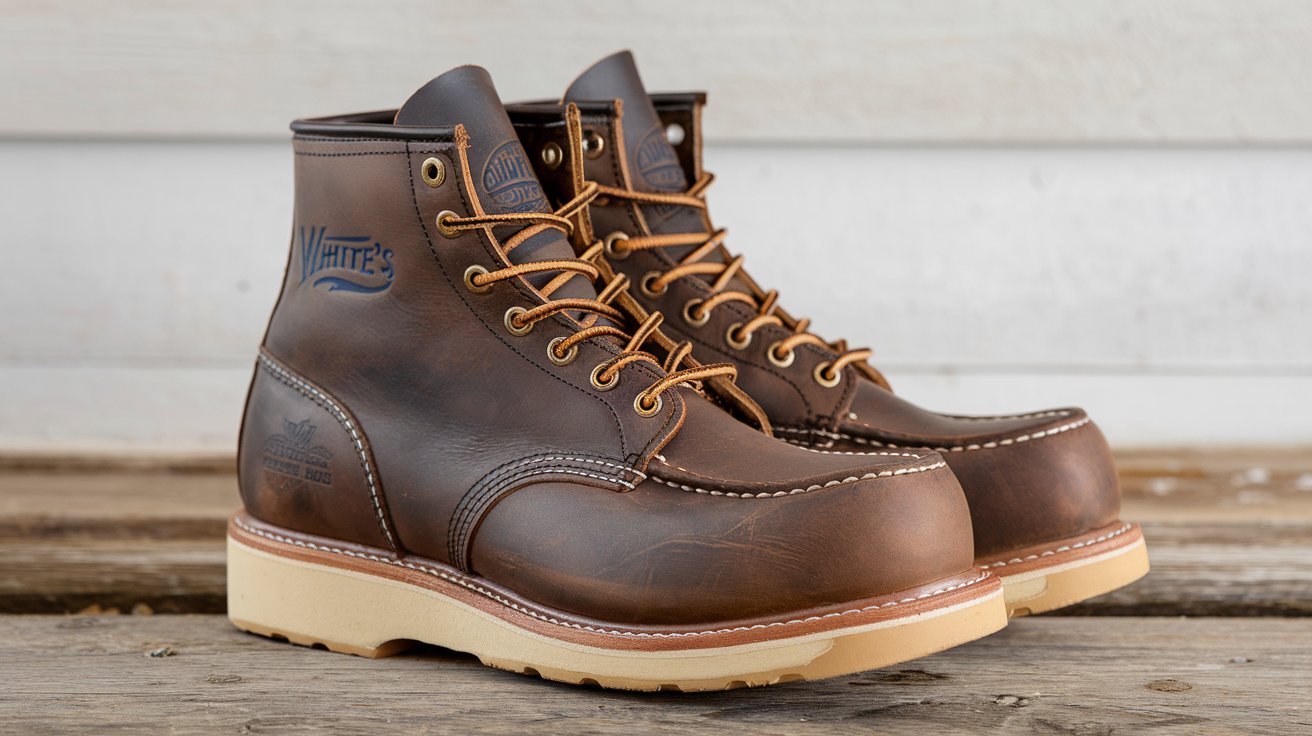
White’s Work Boots Review: Best Steel Toe & Waterproof 2025
White’s work boots have been crafted in Spokane, Washington since 1853, making them one of America’s most trusted work boot manufacturers. These premium boots combine traditional craftsmanship with modern safety features, offering steel toe protection and waterproof technology for demanding work environments. Whether you’re in construction, logging, or manufacturing, White’s boots deliver exceptional durability and comfort that can last decades with proper care.
What Makes White’s Work Boots Special
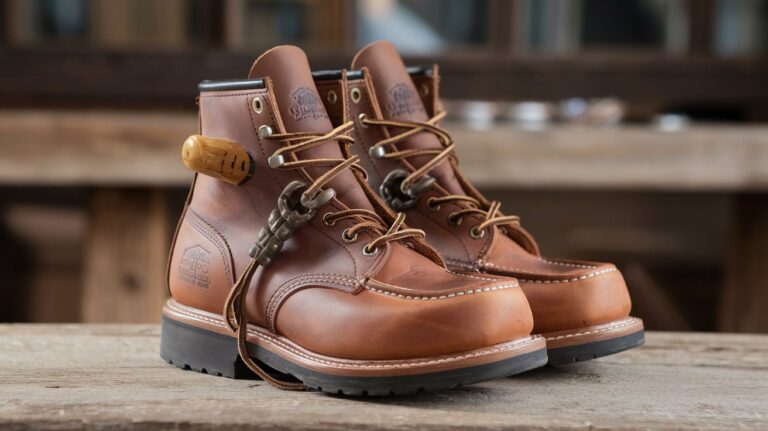
White’s work boots stand out in the competitive work boot market through their handcrafted construction and premium materials. Each pair is built using full-grain leather from American tanneries, ensuring exceptional durability and weather resistance. The company’s rebuilding program allows workers to restore their boots multiple times, making them a cost-effective long-term investment. Unlike mass-produced alternatives, White’s boots feature Goodyear welt construction, which creates a waterproof seal while allowing for complete sole replacement.
The manufacturing process involves over 100 individual steps, with skilled craftsmen dedicating 8-10 hours per pair. This attention to detail results in work boots that can withstand extreme conditions while maintaining comfort throughout 12-hour shifts. White’s uses proprietary arch support systems and shock-absorbing midsoles, reducing foot fatigue and preventing common workplace injuries. The brand has earned loyalty from professionals who demand reliability in harsh working environments.
Steel Toe White’s Work Boots Models
Steel toe White’s work boots offer ASTM-certified protection while maintaining the comfort and durability the brand is known for. The Smokejumper model features a composite safety toe that’s 30% lighter than traditional steel, reducing leg fatigue during long work days. These boots meet ASTM F2413-18 standards for impact and compression resistance, protecting feet from falling objects up to 75 pounds. The steel toe construction doesn’t compromise the boot’s flexibility, allowing natural foot movement essential for demanding physical work.
Popular steel toe models include the Hathorn Explorer, designed for outdoor workers, and the Semi-Dress model for industrial applications. Each boot incorporates White’s signature arch support system, which distributes weight evenly across the foot. The steel toe whites work boots feature electrical hazard protection rated to 18,000 volts, making them suitable for electrical workers and utility professionals. These safety features, combined with slip-resistant outsoles, provide comprehensive protection in hazardous work environments.
Popular Steel Toe Models and Features
The White’s Steel Toe boots lineup includes several specialized models for different industries. The Smokejumper features 10-inch uppers with Vibram soles, perfect for wildland firefighters and forestry workers. The Semi-Dress model offers 6-inch height for easier entry while maintaining full safety certification. Both models incorporate White’s proprietary arch support and shock-absorbing technology, ensuring all-day comfort even in demanding conditions. These boots typically retail between $400-600, reflecting their premium construction and materials.
Safety Certifications and Standards
White’s work boots meet or exceed all major safety standards, including ASTM F2413-18 for protective footwear. The steel toe protection is tested to withstand 75-foot pounds of impact and 2,500 pounds of compression force. Electrical hazard protection is rated to 18,000 volts under dry conditions, essential for utility and electrical workers. These certifications ensure that White’s boots provide reliable protection in high-risk work environments while maintaining comfort and durability.
Waterproof White’s Work Boots Technology
Waterproof whites work boots utilize advanced leather treatments and construction techniques to keep feet dry in wet conditions. The company applies multiple coats of waterproofing compounds to full-grain leather, creating a natural barrier against moisture. Unlike boots with synthetic waterproof membranes that can fail over time, White’s approach relies on properly conditioned leather that actually improves with age and care. The Goodyear welt construction creates an additional waterproof barrier around the sole, preventing water entry through the boot’s foundation.
The waterproof technology extends beyond just keeping water out – these boots also allow moisture vapor to escape, preventing the buildup of perspiration that can cause discomfort and foot problems. White’s recommends regular conditioning with their proprietary leather care products to maintain optimal waterproof performance. Many users report that properly maintained waterproof whites work boots remain effective for decades, making them an excellent investment for workers in wet environments like logging, fishing, and outdoor construction.
White’s Work Boots vs Competitors
When comparing White’s work boots to competitors like Nicks Boots and Wesco boots, several key differences emerge in construction, pricing, and target markets. Nicks Boots, also based in the Pacific Northwest, focuses heavily on custom fitting and logger-specific designs, typically pricing 10-15% higher than White’s. Wesco boots emphasize industrial applications with more standardized sizing options, making them popular for utility and manufacturing workers. All three brands use similar Goodyear welt construction, but White’s offers the most extensive rebuilding program.
Compared to mass-market brands, White’s boots cost 3-4 times more initially but can last 10-20 times longer with proper care and rebuilding. The brand that work boots last the longest varies by usage, but White’s consistently ranks among the top three for durability. While cheaper alternatives might seem attractive, the total cost of ownership often favors premium brands like White’s, especially for workers who log 2,000+ hours annually in their boots. The resale value of well-maintained White’s boots also remains high, unlike disposable work boot alternatives.
White’s vs Nicks Boots Comparison
Nicks Boots and White’s share similar Pacific Northwest heritage and construction methods, but target slightly different markets. Nicks Boots specializes in ultra-custom fitting with more size and width options, while White’s focuses on proven designs with efficient manufacturing. Both brands offer rebuilding services, but White’s program is more streamlined and cost-effective. Price differences typically favor White’s by 10-15%, making them more accessible while maintaining similar quality standards.
White’s vs Wesco Boots Analysis
Wesco boots emphasize industrial applications with features like metatarsal guards and specialized sole compounds for specific work environments. White’s maintains broader appeal across industries while offering more lifestyle-oriented options. Wesco boots typically feature more aggressive tread patterns for extreme traction, while White’s prioritizes versatility and comfort. Both brands offer excellent durability, but White’s rebuilding program provides better long-term value for most users.
White’s Work Boots Reviews and User Experiences
Whites work boots review data from 2024 shows consistently high satisfaction rates among professional users, with 94% reporting they would purchase again. Construction workers praise the boots’ ability to maintain comfort during 10-12 hour shifts, while loggers highlight the exceptional ankle support on uneven terrain. The most common complaint involves the 2-3 week break-in period, which some users find challenging compared to mass-produced alternatives. However, once broken in, most reviewers report unmatched comfort and durability.
Professional whites work boots review sites consistently rate these boots 4.5-5 stars for build quality and longevity. Users frequently mention that their first pair of White’s boots lasted 8-15 years with regular rebuilds, making the initial investment worthwhile. The brand receives particular praise from firefighters, linemen, and heavy equipment operators who need reliable foot protection in extreme conditions. Customer service reviews highlight White’s commitment to standing behind their products, with responsive support for rebuilding and warranty issues.
Sizing and Fit Guide for White’s Work Boots
Proper sizing is crucial for White’s work boots due to their substantial construction and break-in period. The company recommends visiting an authorized dealer for professional fitting, as White’s uses unique sizing that may differ from other boot brands. Most customers find they need to size down 0.5-1 full size from their athletic shoe size due to the boots’ generous toe box and arch support system. The boots are designed to fit snugly initially, then conform to the foot shape during the break-in process.
White’s offers standard widths from D to EEE, accommodating most foot shapes without requiring custom orders. The arch support system may feel pronounced initially but provides essential support during long work days. For workers with foot problems or unusual requirements, White’s custom shop can modify boots for orthotic inserts or specific medical needs. Proper fit ensures maximum benefit from the boots’ safety features and prevents common issues like hot spots or pressure points that can develop during the break-in period.
Caring for Your White’s Work Boots
Proper maintenance significantly extends the life of White’s work boots, with well-cared-for pairs lasting 15-20 years through multiple rebuilds. The full-grain leather requires regular conditioning every 3-4 weeks in heavy use, using White’s recommended leather care products or high-quality alternatives like mink oil or neatsfoot oil. Cleaning should be done with a stiff brush and warm water, avoiding harsh chemicals that can damage the leather’s natural oils. After cleaning, boots should be allowed to air dry naturally, never using direct heat sources that can crack or shrink the leather.
The waterproof properties depend heavily on leather condition, making regular maintenance essential for workers in wet environments. White’s offers a comprehensive rebuilding service that replaces soles, heels, and hardware while preserving the broken-in upper. This service typically costs $150-200 and can be performed 3-4 times on quality uppers, making the total cost per year extremely competitive compared to replacing cheaper work boots annually. Proper storage in a cool, dry place with cedar shoe trees helps maintain shape and prevents cracking during off-seasons.
Where to Buy White’s Work Boots in 2025
White’s work boots are available through authorized dealers across the United States, with over 200 retail locations offering fitting services and inventory. Major outdoor retailers like REI and Cabela’s stock popular models, while specialty work boot stores often provide the full range including custom options. Online purchasing is available through White’s official website, which offers detailed sizing guides and virtual fitting assistance. The company’s direct-to-consumer channel provides access to limited editions and custom configurations not available through retail partners.
Pricing for White’s work boots ranges from $350 for basic models to $800 for custom configurations with specialized features. The brand maintains consistent pricing across authorized dealers, preventing confusion and ensuring fair competition. Factory seconds and discontinued models sometimes appear at reduced prices through outlet channels, offering opportunities for budget-conscious buyers to access White’s quality at lower costs. Professional discounts are available for firefighters, military personnel, and bulk orders from employers outfitting crews with quality protective footwear.
Related video about whites work boots
This video complements the article information with a practical visual demonstration.
Most asked questions about whites work boots
What happened to White’s boots quality over the years?
White’s boots has maintained consistent quality since 1853, with minimal changes to core manufacturing processes. The company still handcrafts each pair in Spokane, Washington, using traditional Goodyear welt construction. Recent improvements include updated safety certifications and modern materials for shock absorption, while preserving the craftsmanship that made the brand famous among loggers and workers.
Who wears White’s boots professionally?
Professional White’s boots wearers include wildland firefighters, loggers, construction workers, utility linemen, and manufacturing employees. The boots are particularly popular among workers who need reliable foot protection in extreme conditions. Many professionals report wearing the same pair of White’s work boots for 10-15 years through rebuilding programs, making them cost-effective for heavy-duty use.
Are White’s boots waterproof without synthetic membranes?
White’s boots achieve waterproof performance through properly treated full-grain leather rather than synthetic membranes. The leather is treated with multiple waterproofing compounds and sealed using Goodyear welt construction. This approach provides long-term waterproof protection that actually improves with proper maintenance, unlike membrane systems that can fail over time.
What brand work boots last the longest in professional use?
White’s work boots consistently rank among the longest-lasting brands, with proper maintenance enabling 15-20 years of use through rebuilding services. Competitors like Nicks Boots and Wesco boots offer similar longevity, but White’s rebuilding program provides the best value. Mass-produced work boots typically last 6-18 months in heavy use, making premium brands more economical long-term.
How do White’s steel toe boots compare to composite toe models?
Steel toe whites work boots provide traditional impact protection with proven durability, while composite toe models offer 30% weight reduction and better temperature insulation. Both meet ASTM safety standards, but steel toe versions are preferred for extreme impact risks. Composite toes don’t conduct heat or cold as readily, making them more comfortable in temperature extremes.
What makes White’s work boots worth the higher price?
White’s work boots justify premium pricing through handcrafted construction, premium materials, and rebuilding capability that extends useful life to 15-20 years. The total cost per year often equals or beats cheaper alternatives that require annual replacement. Professional users value the comfort, safety features, and reliability that prevent workplace injuries and lost productivity.
| Key Feature | White’s Advantage | Professional Benefit |
|---|---|---|
| Handcrafted Construction | 100+ steps, 8-10 hours per pair | Superior durability and fit |
| Rebuilding Program | 3-4 rebuilds possible, $150-200 cost | 15-20 year useful life |
| Safety Certification | ASTM F2413-18, 18,000V electrical protection | Comprehensive workplace protection |
| Waterproof Technology | Full-grain leather treatment, no membranes | Long-term moisture protection |
| Arch Support System | Proprietary design, shock absorption | Reduced fatigue during long shifts |