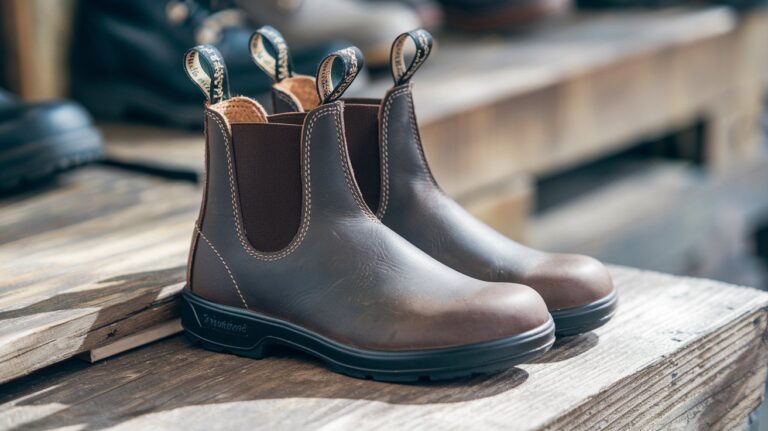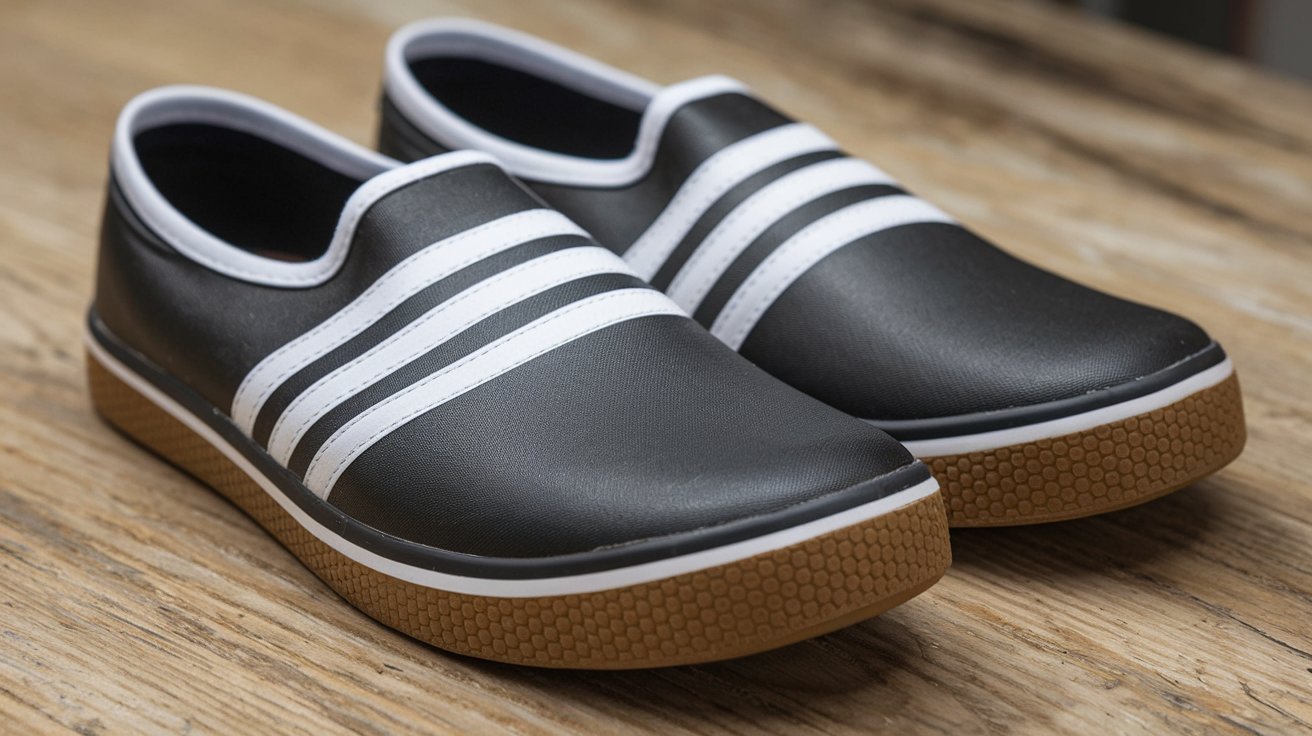
Best Non Slip Kitchen Shoes 2025: Professional Chef Guide
Professional non slip kitchen shoes are essential safety equipment for anyone working in commercial kitchens, restaurants, or food service environments. These specialized shoes provide crucial traction on wet, greasy floors while offering comfort during long shifts. The right pair can prevent workplace injuries and enhance performance in demanding kitchen conditions.
Why Non Slip Kitchen Shoes Are Essential for Food Service Workers
The food service industry reports over 25,000 slip and fall injuries annually in the United States, making non slip kitchen shoes a critical safety investment. Professional kitchens present unique hazards including spilled oils, water, food particles, and cleaning chemicals that create extremely slippery surfaces. Standard athletic shoes or casual footwear lack the specialized tread patterns and materials needed to maintain grip in these conditions.
Restaurant workers spend 8-12 hours on their feet daily, often moving quickly between stations while carrying hot items or sharp tools. Quality non slip shoes for restaurants combine safety features with ergonomic support to reduce fatigue and prevent injuries. The Occupational Safety and Health Administration (OSHA) recommends slip-resistant footwear as part of comprehensive workplace safety programs in food service establishments.
Key Features to Look for in Professional Kitchen Footwear
The best non slip kitchen shoes incorporate several critical design elements that distinguish them from regular work shoes. Outsole materials typically feature specialized rubber compounds with high coefficients of friction, often exceeding 0.5 on wet surfaces. Tread patterns include deep grooves, multi-directional lugs, and channels that expel liquids and debris while maintaining contact with the floor.
Professional chef shoes must also provide adequate protection from kitchen hazards. Closed-toe designs shield feet from falling knives, hot liquids, and heavy equipment. Many models include puncture-resistant midsoles, steel or composite toe caps, and waterproof uppers. Breathable linings and moisture-wicking materials help manage foot temperature and prevent bacterial growth during extended wear periods.
Slip-Resistant Outsole Technology
Advanced non slip kitchen shoes utilize proprietary rubber formulations that remain flexible and grippy even when exposed to oils and chemicals. Leading manufacturers test their outsoles using standardized methods like ASTM F2913, which measures coefficient of friction on various surfaces. Top-performing shoes achieve ratings of 0.7 or higher on wet surfaces, significantly exceeding minimum safety requirements.
Comfort and Support Features
Long shifts demand exceptional comfort from professional chef shoes. Quality models incorporate memory foam insoles, arch support systems, and shock-absorbing midsoles to reduce stress on feet and legs. Removable footbeds allow for custom orthotics, while padded collars and tongues prevent pressure points. Some designs include rocker soles that promote natural gait mechanics and reduce fatigue.
Top Non Slip Kitchen Shoe Brands and Models for 2025
Several manufacturers dominate the professional kitchen footwear market, each offering distinct advantages for different work environments. Shoes for Crews remains the industry leader, with over 40% market share among restaurant chains. Their signature TripGuard technology and water-resistant uppers make them popular choices for busy kitchens. Dansko professional clogs provide excellent arch support and are favored by chefs who prioritize comfort.
Skechers Work has gained significant traction with their Relaxed Fit designs and memory foam cushioning. Their men’s non slip shoes for restaurants feature athletic styling that appeals to younger workers while maintaining safety certifications. Crocs Bistro series offers lightweight, easy-to-clean options that resist odors and can be sanitized in commercial dishwashers.
Budget-Friendly Options Under $75
Quality non slip kitchen shoes don’t require premium prices. Tredsafe, Genuine Grip, and Dr. Scholl’s Work offer certified slip-resistant footwear starting around $40. These models provide essential safety features and basic comfort amenities suitable for entry-level positions or occasional kitchen work. While lacking premium materials, they meet OSHA standards and offer good value for budget-conscious buyers.
Premium Options for Professional Chefs
High-end chef shoes ranging from $120-200 provide superior materials and construction for demanding professional use. Birkenstock Professional, Klogs USA, and Sanita offer handcrafted footwear with premium leather uppers, replaceable footbeds, and extended warranties. These models justify their cost through durability, advanced comfort features, and professional aesthetics suitable for front-of-house appearances.
Men’s vs Women’s Non Slip Kitchen Shoes: Key Differences
Men’s non slip kitchen shoes typically feature wider toe boxes and different arch configurations compared to women’s models. Men’s sizes generally run larger and accommodate higher insteps, while women’s designs often include narrower heels and additional forefoot padding. However, many unisex models work well for both genders, particularly in clog and athletic styles.
Color options vary significantly between men’s and women’s lines. Non slip kitchen shoes women’s selections often include white, pink, and patterned designs suitable for healthcare or upscale dining environments. Men’s options typically focus on black, brown, and neutral colors that hide stains and maintain professional appearance throughout long shifts.
How to Maintain and Extend Kitchen Shoe Lifespan
Proper maintenance significantly extends the life of non slip kitchen shoes while maintaining their safety performance. Daily cleaning with warm water and mild detergent removes grease and food particles that can compromise traction. Specialized degreasers help dissolve stubborn oil buildup without damaging rubber compounds or synthetic materials.
Rotation between multiple pairs allows shoes to fully dry between shifts, preventing bacterial growth and material degradation. Quality waterproof kitchen shoes should be treated with appropriate conditioners to maintain flexibility and prevent cracking. Replacing insoles every 3-4 months helps maintain comfort and hygiene, while monitoring tread wear ensures continued slip resistance.
Daily Care and Cleaning Procedures
End-of-shift cleaning prevents permanent staining and odor buildup in non slip kitchen shoes. Remove loose debris with a stiff brush, then wash with antimicrobial soap and warm water. Air dry completely before storing to prevent moisture retention. Avoid direct heat sources that can crack rubber outsoles or shrink leather uppers.
When to Replace Your Kitchen Shoes
Replace professional kitchen shoes when tread depth falls below 4mm or when visible wear indicators become flush with the sole surface. Cracked uppers, separated seams, or compressed midsoles indicate structural failure that compromises safety. Most quality kitchen shoes last 6-12 months with regular use, depending on work environment intensity and maintenance practices.
Where to Buy Non Slip Kitchen Shoes: Online vs Local Options
Finding non slip kitchen shoes near me requires considering both online retailers and local stores. Major online platforms like Amazon, Zappos, and manufacturer websites offer extensive selections with customer reviews and easy returns. However, trying shoes on in person ensures proper fit, which is crucial for comfort during long shifts.
Local uniform stores and restaurant supply companies often stock popular models and provide fitting services. Many employers partner with specific retailers to offer employee discounts on safety footwear. Some companies provide shoe allowances or reimbursement programs for approved non slip kitchen shoes, making it worthwhile to check with HR departments before purchasing.
Industry-Specific Requirements and Certifications
Different food service environments have varying requirements for non slip kitchen shoes. Fast-casual restaurants may accept basic slip-resistant athletic shoes, while fine dining establishments often require dress-code compliant footwear. Healthcare food service typically mandates closed-toe designs with antimicrobial properties and easy sanitization capabilities.
Many facilities require shoes meeting specific safety standards such as ASTM F2913 for slip resistance or ASTM F2412 for protective toe caps. Understanding workplace requirements before purchasing prevents costly mistakes and ensures compliance with safety regulations. Some positions may require additional features like electrical hazard protection or metatarsal guards depending on equipment used.
Related video about non slip kitchen shoes
This video complements the article information with a practical visual demonstration.
Most asked questions about non slip kitchen shoes
What kind of shoes are best for working in the kitchen?
The best shoes for kitchen work are slip-resistant, closed-toe designs with rubber outsoles rated for wet and greasy surfaces. Professional chef shoes should meet ASTM F2913 standards for slip resistance and provide arch support for long shifts. Popular brands include Shoes for Crews, Dansko, and Skechers Work, which offer specialized kitchen footwear with safety certifications.
How to make shoes non-slip for kitchen?
While aftermarket solutions like traction pads exist, they’re not recommended for professional kitchens due to safety concerns. The most effective approach is purchasing purpose-built non slip kitchen shoes with certified outsoles. These feature specialized rubber compounds and tread patterns engineered for kitchen environments that cannot be replicated with DIY modifications.
Should chefs wear non-slip shoes?
Yes, professional chefs should always wear certified non-slip shoes in commercial kitchens. The food service industry reports over 25,000 slip-and-fall injuries annually, making proper footwear essential for safety. Many restaurants require slip-resistant shoes as part of their safety protocols, and some insurance policies mandate their use to maintain coverage.
What do professional chefs wear on their feet?
Professional chefs typically wear specialized non-slip kitchen shoes or clogs designed for commercial food service. Popular choices include Dansko Professional clogs for comfort, Shoes for Crews for maximum slip resistance, and Birkenstock Professional for premium durability. Many chefs prefer closed-toe designs with easy-to-clean uppers and antimicrobial properties for hygiene.
How often should I replace my kitchen shoes?
Kitchen shoes should be replaced every 6-12 months or when tread depth falls below 4mm. Heavy use in busy kitchens may require more frequent replacement, while lighter duty environments may extend shoe life. Signs for replacement include worn tread patterns, cracked uppers, compressed cushioning, or loss of slip resistance on wet surfaces.
Are expensive kitchen shoes worth the investment?
Premium kitchen shoes ($120-200) offer better durability, comfort, and materials compared to budget options, potentially lasting twice as long. For professional chefs working 50+ hours weekly, the improved arch support, premium materials, and extended warranties justify higher costs. However, quality budget options under $75 provide adequate safety for occasional or entry-level kitchen work.
| Key Feature | What to Look For | Safety Benefit |
|---|---|---|
| Slip Resistance | ASTM F2913 certification, 0.5+ coefficient rating | Prevents slips on wet, greasy surfaces |
| Closed-Toe Design | Full coverage protection, no mesh panels | Shields from spills, falling objects |
| Easy Cleaning | Smooth uppers, antimicrobial treatments | Maintains hygiene, prevents bacteria growth |
| Comfort Support | Arch support, cushioned insoles, shock absorption | Reduces fatigue during long shifts |