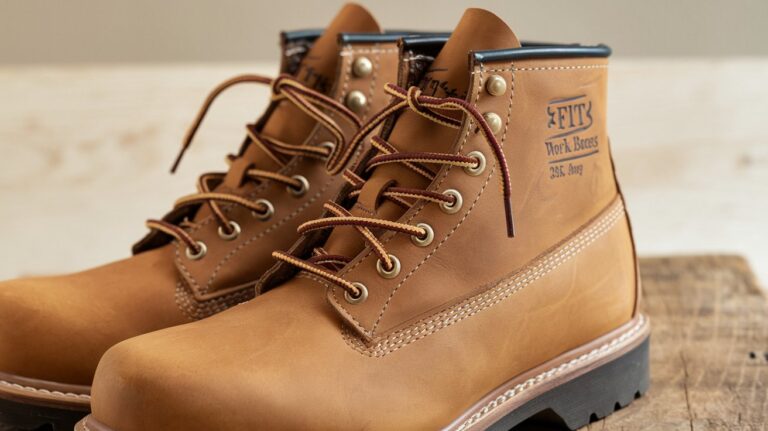
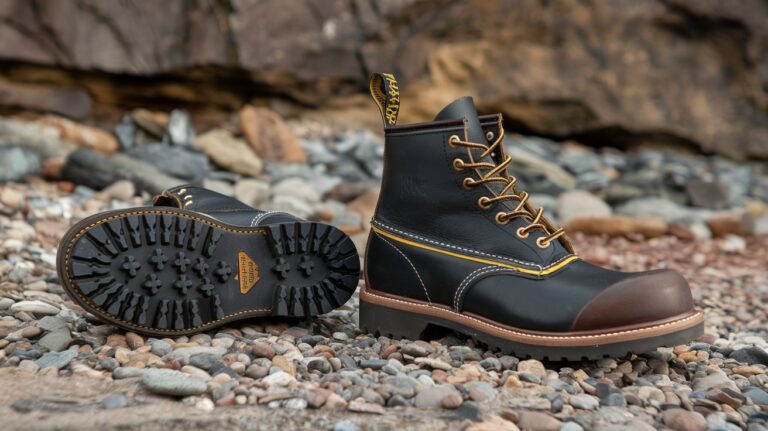
Types of Work Boots: Complete 2025 Guide for Every Job
Understanding the type of work boots needed for your specific job is crucial for safety, comfort, and compliance with workplace regulations. With over 15 different categories of work boots available in 2025, choosing the right pair can mean the difference between workplace injuries and peak performance. This comprehensive guide covers every work boot type to help you make an informed decision.
Safety Toe Work Boots: Protection That Matters
Safety toe work boots represent the most critical category for workers facing impact hazards. According to OSHA 2024 statistics, over 125,000 foot injuries occur annually in American workplaces, with 60% preventable through proper safety toe boots. These boots feature reinforced toe caps designed to withstand compression forces up to 2,500 pounds and impact forces up to 75 foot-pounds.
The choice between different safety toe materials significantly affects both protection and comfort levels. Steel toe work boots remain the gold standard for heavy-duty applications, while composite and aluminum alternatives offer specialized benefits for specific work environments across the United States.
Steel Toe Work Boots for Maximum Protection
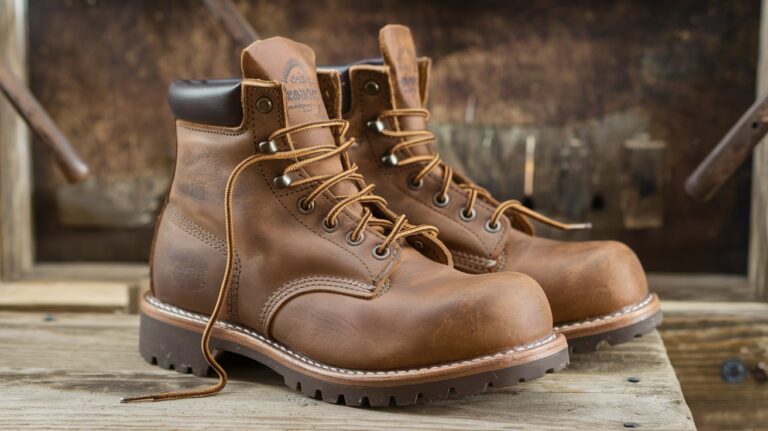
Steel toe work boots provide unmatched durability and protection for construction workers, manufacturing employees, and heavy industry professionals. These boots meet ASTM F2413-18 standards and offer superior resistance to punctures, cuts, and extreme compression forces. Popular brands like Thorogood work boots and Caterpillar dominate this segment, with prices ranging from $120 to $350 for premium models in 2025.
Composite Toe Boots: Lightweight Safety Alternative
Composite toe work boots utilize carbon fiber, Kevlar, or plastic materials to provide OSHA-compliant protection while reducing weight by up to 30% compared to steel alternatives. These boots excel in electrical work environments since composite materials don’t conduct electricity, making them ideal for workers in power plants, telecommunications, and electrical construction across American industries.
Industry-Specific Work Boot Types
Different industries demand specific types of work boots designed to address unique hazards and performance requirements. Construction workers need maximum impact protection, while electrical professionals require non-conductive materials. Understanding these industry-specific needs ensures optimal safety and compliance with federal and state regulations.
The Bureau of Labor Statistics reports that proper footwear selection reduces workplace foot injuries by 85% when matched correctly to job hazards. Work boots for men and women must meet identical safety standards while accommodating different foot shapes and sizing requirements.
Construction Work Boots: Built for Tough Conditions
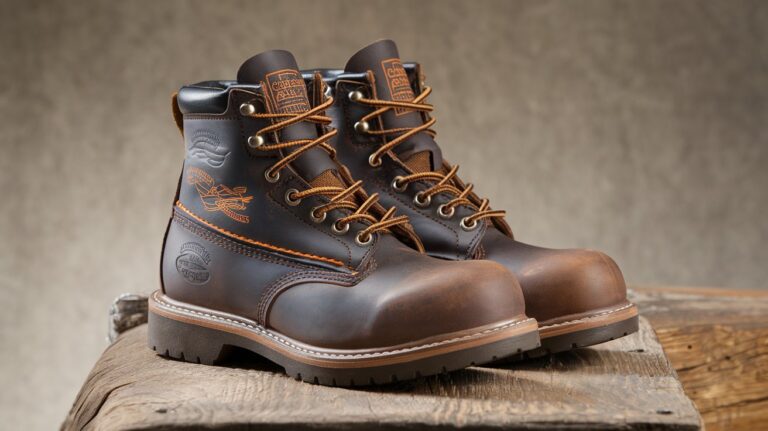
Construction workers require boots combining steel toe protection, puncture-resistant soles, and superior traction on varied terrain. Leading models include Thorogood boots Series 804-4200, Timberland PRO Boondock, and Red Wing Iron Ranger styles. These boots typically feature 6-8 inch heights, leather construction, and Goodyear welt construction for durability in harsh construction environments.
Electrical Work Boots: Non-Conductive Safety
Electrical workers need work boots meeting ASTM F2413-18 Electrical Hazard (EH) standards, providing protection against open circuits up to 600 volts in dry conditions. Composite toe construction eliminates conductivity risks while maintaining impact protection. Ariat work boots and Keen Utility offer specialized electrical models with dielectric soles and non-metallic construction throughout.
Waterproof Work Boots: Weather-Resistant Performance
Waterproof work boots have become essential for outdoor workers facing wet conditions, with 40% of American construction and utility workers requiring water-resistant footwear year-round. These boots utilize Gore-Tex, proprietary membranes, or treated leather to prevent water penetration while maintaining breathability for all-day comfort.
Modern waterproof work boots balance protection with breathability using advanced membrane technologies. Premium models from Danner, Thorogood boots, and Irish Setter achieve IPX7 waterproof ratings while incorporating moisture-wicking linings to prevent interior condensation during extended wear periods.
Insulated Work Boots for Cold Weather Jobs
Cold weather work boots incorporating Thinsulate, PrimaLoft, or wool insulation protect workers in freezing temperatures common across northern United States regions. These boots feature insulation ratings from 200 to 2000 grams, with 400-600 gram options suitable for most American winter conditions and higher ratings reserved for extreme cold applications.
Proper insulation selection prevents frostbite and maintains dexterity during cold weather work. Insulated work boots must balance warmth with breathability to prevent overheating during physical activity, making moisture management systems crucial for optimal performance in varying temperature conditions.
Thinsulate Insulated Options
Thinsulate insulation remains the most popular choice for work boots requiring cold weather protection without excessive bulk. This synthetic insulation provides excellent warmth-to-weight ratios and retains insulating properties even when compressed or damp. Most American workers prefer 400-600 gram Thinsulate ratings for versatile cold weather performance.
Wool-Lined Work Boots
Natural wool lining in work boots offers superior moisture management and temperature regulation compared to synthetic alternatives. Wool naturally wicks sweat away from feet while providing consistent warmth even in wet conditions. Premium brands like Danner and Red Wing incorporate merino wool linings in their cold weather work boot collections.
Slip-Resistant Work Boots: Traction Technology
Slip-resistant work boots prevent the 25% of workplace injuries caused by slips, trips, and falls according to 2024 OSHA data. These boots feature specialized outsole compounds and tread patterns designed for specific surfaces including wet floors, oil-contaminated areas, and outdoor terrain common in American workplaces.
Modern slip-resistant technology incorporates advanced rubber compounds with coefficients of friction exceeding 0.5 on wet surfaces. Leading manufacturers test their slip-resistant work boots using ASTM F3445 standards to ensure reliable traction performance across various workplace conditions and surface types.
Puncture-Resistant Work Boots: Sole Protection
Puncture-resistant work boots incorporate steel plates, composite materials, or Kevlar layers in the midsole to prevent sharp objects from penetrating through the sole. These boots meet ASTM F2413-18 puncture resistance standards, withstanding forces up to 270 pounds applied to a standardized nail without penetration.
Modern puncture protection utilizes lightweight composite materials that flex with foot movement while maintaining protection. Puncture-resistant work boots are essential for construction, roofing, and demolition workers who regularly encounter nails, glass, and metal debris on American job sites.
Metatarsal Guard Work Boots: Extended Protection
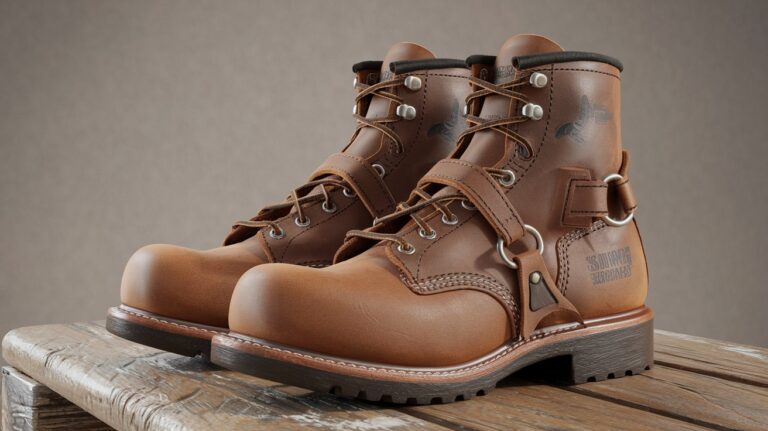
Metatarsal guard work boots provide additional protection for the upper foot area beyond standard toe protection. These boots feature external or internal guards covering the metatarsal bones, essential for workers handling heavy objects, operating machinery, or working in foundries where falling objects pose risks to the entire foot area.
Industries requiring metatarsal protection include steel manufacturing, automotive assembly, and heavy equipment operation. Metatarsal work boots must balance extended protection with mobility, using articulated guard designs that flex naturally with foot movement during walking and climbing activities.
Related video about type of work boots
This video complements the article information with a practical visual demonstration.
Frequently Asked Questions
What are the different types of work boots available in 2025?
The main types include steel toe, composite toe, aluminum toe, waterproof, insulated, slip-resistant, puncture-resistant, metatarsal guard, electrical hazard, and chemical-resistant work boots. Each type addresses specific workplace hazards and safety requirements across different American industries.
What kind of boots do construction workers wear most commonly?
Construction workers typically wear steel toe work boots with puncture-resistant soles, 6-8 inch heights, and slip-resistant outsoles. Popular choices include Thorogood boots, Timberland PRO, and Red Wing models that meet OSHA safety standards for construction environments.
What are OSHA approved work boots and their requirements?
OSHA approved work boots must meet ASTM F2413-18 standards for impact resistance (75 foot-pounds), compression resistance (2,500 pounds), and may include puncture resistance, electrical hazard protection, or metatarsal guards depending on workplace hazards. All safety boots sold in the US must display ASTM certification markings.
How do I choose between steel toe and composite toe work boots?
Choose steel toe for maximum durability in heavy industrial settings, welding, or construction. Select composite toe for electrical work, airport security, or applications requiring lighter weight boots. Both meet identical OSHA impact protection standards, but composite offers better insulation and weight advantages.
What makes waterproof work boots different from regular work boots?
Waterproof work boots incorporate sealed seams, waterproof membranes like Gore-Tex, or treated leather construction to prevent water penetration. They maintain foot dryness in wet conditions while offering breathability through moisture-wicking linings and vapor-permeable membrane technologies.
Are Ariat work boots suitable for heavy construction work?
Yes, Ariat work boots offer several models suitable for construction including steel toe, waterproof, and puncture-resistant options. Their WorkHog and Groundbreaker series meet ASTM safety standards and provide durability for construction environments, though brands like Thorogood and Red Wing specialize more heavily in construction applications.
| Work Boot Type | Key Features | Best Applications |
|---|---|---|
| Steel Toe | Maximum impact protection, durable construction | Heavy construction, manufacturing, welding |
| Composite Toe | Lightweight, non-conductive, TSA friendly | Electrical work, airport security, light industrial |
| Waterproof | Water-resistant membranes, sealed construction | Outdoor construction, utilities, agriculture |
| Insulated | Thermal protection, moisture management | Cold weather work, winter construction |