Bottom of a Boot: Complete Guide to Sole Parts & Names 2025
The bottom of a boot is called the sole, specifically the outsole – the outermost layer that contacts the ground. This crucial component determines traction, durability, and protection. Understanding boot sole anatomy helps you choose the right footwear for your needs, whether for work, sports, or daily wear in various conditions.
What Is the Bottom of a Boot Called
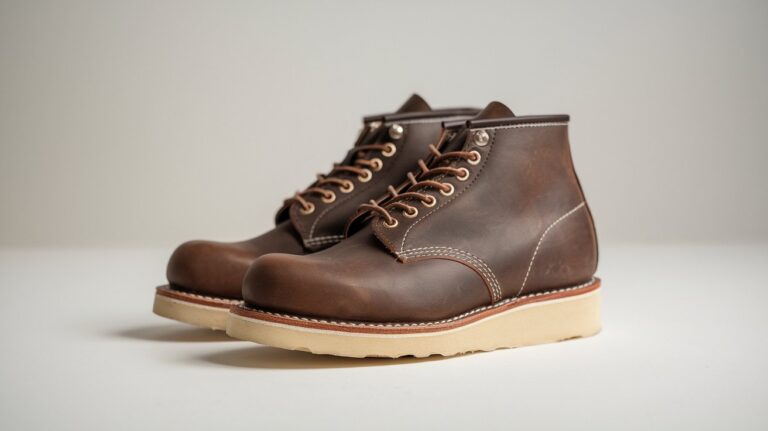
The bottom of a boot is technically called the sole, but this term encompasses multiple layers. The visible exterior layer that touches the ground is specifically the outsole. This component serves as the primary contact point between your foot and the surface, providing essential grip, protection, and durability. In 2025, boot manufacturers use advanced materials like thermoplastic polyurethane (TPU) and specialized rubber compounds for enhanced performance.
The outsole differs significantly from other sole components. Above it lies the midsole, which provides cushioning and support, while the insole (or footbed) offers comfort directly under your foot. The bottom part of a boot also includes the heel, toe cap, and various tread patterns designed for specific activities and environments. Understanding these distinctions helps consumers make informed purchasing decisions.
Crossword Clue Solutions: 4 and 5 Letters
Common crossword clue answers for “bottom of a boot” include SOLE (4 letters) and TREAD (5 letters). The 4-letter solution SOLE refers to the entire bottom structure, while HEEL also appears in some puzzles. For 5-letter answers, TREAD specifically describes the patterned surface that provides grip and traction on various surfaces.
Boot vs Shoe Bottom Differences
While both boots and shoes have outsoles, boot bottoms typically feature more robust construction. Boot soles extend higher up the foot for ankle protection and often incorporate specialized materials for harsh environments. The bottom of a football boot specifically features cleats or studs for field traction, distinct from regular footwear outsoles designed for pavement or indoor surfaces.
Complete Parts of Boot Names and Anatomy
A comprehensive understanding of boot anatomy extends beyond just the bottom. The upper part of a boot includes the vamp, quarters, collar, and shaft, while the bottom section comprises multiple critical components. The heel provides stability and can range from flat to significantly raised depending on boot style and purpose. Modern boot construction in 2025 emphasizes both functionality and durability.
The parts of boots work together as an integrated system. The toe box protects the front of the foot, while the shank provides arch support. The welt connects the upper to the sole assembly, and quality boots feature Goodyear welt construction for repairability. Understanding these boot components helps consumers evaluate construction quality and expected longevity.
Outsole Materials and Construction
Modern outsole materials in 2025 include advanced rubber compounds, polyurethane, and thermoplastic elastomers. Each material offers specific benefits: rubber provides excellent grip and flexibility, while polyurethane offers superior durability and chemical resistance. The outsole construction method affects performance, with injection-molded soles offering seamless construction and cemented soles providing flexibility.
Tread Patterns and Their Functions
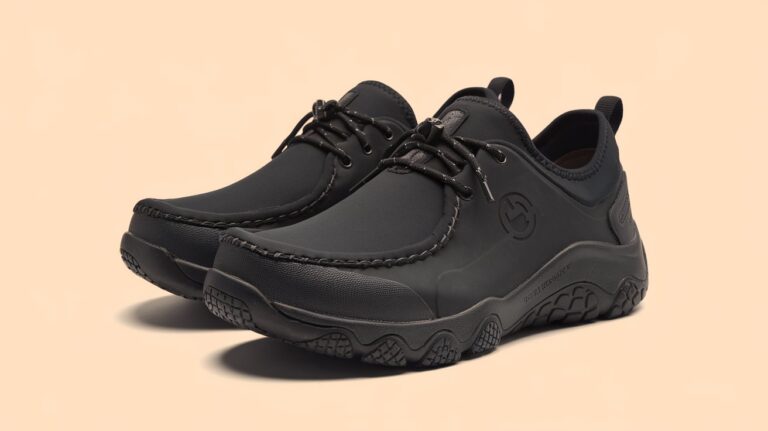
The tread pattern on a boot’s bottom determines traction performance across different surfaces. Deep lugs provide grip in mud and loose terrain, while shallow patterns work better on hard surfaces. Athletic and work boots feature specialized tread designs optimized for specific activities, with many 2025 models incorporating multi-directional patterns for enhanced versatility.
Football Boot Sole Specifications
The bottom of a football boot features specialized cleats or studs designed for optimal field performance. These protrusions, typically made from molded plastic or metal, provide essential traction on grass surfaces. Professional-grade football boots in 2025 offer interchangeable stud systems, allowing players to customize their boot sole configuration based on field conditions and playing style preferences.
Modern football boot soles incorporate advanced engineering principles. The stud placement follows biomechanical research to optimize acceleration, cutting, and stability. Firm ground (FG) boots feature molded studs, while soft ground (SG) variants have removable metal studs. Artificial ground (AG) boots use shorter, more numerous studs for synthetic surfaces, reflecting the evolution of playing surfaces in contemporary football.
Boot Bottom Maintenance and Care
Proper maintenance of your boot’s bottom extends its lifespan significantly. Regular cleaning removes debris that can damage the outsole material and compromise traction. In 2025, protective treatments and sole conditioners help preserve rubber and synthetic materials against cracking, hardening, and premature wear. Rotating between multiple pairs allows each boot sole to fully dry and recover between uses.
Professional resoling services can restore worn boot bottoms on quality footwear. This process involves removing the old outsole and attaching a new one, often more cost-effective than purchasing new boots. The ability to resole depends on the original construction method, with Goodyear welt boots offering the best repairability options for long-term value.
Signs of Outsole Wear and Replacement
Recognizing when to replace your boot bottoms ensures safety and performance. Worn tread patterns, visible wear indicators, and smooth surfaces indicate reduced traction. Uneven wear patterns suggest gait issues or improper fit, while cracking or separation from the upper requires immediate attention. Modern boots often feature wear indicators built into the sole design.
Cleaning Techniques for Different Sole Materials
Different outsole materials require specific cleaning approaches. Rubber soles respond well to warm soapy water and soft brushes, while polyurethane soles may need specialized cleaners. Avoid harsh chemicals that can degrade the sole material, and always allow complete drying before storage. Regular maintenance preserves both appearance and functionality of your boot’s bottom.
Choosing the Right Boot Bottom for Your Needs
Selecting appropriate boot bottoms depends on intended use, environment, and personal requirements. Work environments demand slip-resistant soles with appropriate chemical resistance, while hiking requires aggressive tread patterns for varied terrain. Urban environments benefit from versatile outsole designs that balance traction with durability on pavement surfaces.
Climate considerations significantly impact sole selection in 2025. Winter conditions require specialized compounds that remain flexible in cold temperatures, while hot climates need heat-resistant materials. Many manufacturers now offer seasonal outsole variants optimized for specific temperature ranges and weather conditions, enhancing both performance and safety year-round.
Related video about bottom of a boot
This video complements the article information with a practical visual demonstration.
Questions & Answers
What is the bottom of a boot called?
The bottom of a boot is called the sole, specifically the outsole. This is the outermost layer that makes direct contact with the ground, providing traction, protection, and durability. The sole system also includes the midsole for cushioning and the insole for comfort.
What is a 4-letter word for the bottom of a boot?
SOLE is the most common 4-letter answer for crossword clues asking about the bottom of a boot. This term refers to the entire bottom structure of the boot, including all layers from the insole to the outsole.
What is the difference between the bottom of a boot and a shoe?
Boot bottoms typically feature more robust construction with thicker soles, deeper treads, and materials designed for harsher conditions. They extend higher for ankle protection, while shoe soles are generally thinner and designed for lighter-duty use on smoother surfaces.
What is the bottom of a football boot called?
The bottom of a football boot is called the sole or soleplate, featuring specialized cleats or studs. These protrusions provide essential traction on grass fields, with different stud configurations for various field conditions like firm ground, soft ground, or artificial surfaces.
How do I know when to replace my boot bottoms?
Replace boot bottoms when tread patterns are worn smooth, wear indicators are visible, or you notice reduced traction. Signs include uneven wear patterns, cracking, separation from the upper, or when the sole has worn through to underlying layers.
What materials are used for modern boot bottoms?
Modern boot bottoms use advanced materials including specialized rubber compounds, thermoplastic polyurethane (TPU), and thermoplastic elastomers. Each material offers specific benefits like enhanced grip, chemical resistance, or temperature stability for different applications and environments.
| Boot Bottom Component | Primary Function | Key Benefit |
|---|---|---|
| Outsole | Ground contact and traction | Durability and grip |
| Tread Pattern | Surface-specific traction | Enhanced safety |
| Heel | Stability and impact absorption | Improved posture |
| Materials (2025) | Advanced performance compounds | Extended lifespan |