Boot Last Meaning: Complete Guide to Shoe Making Forms
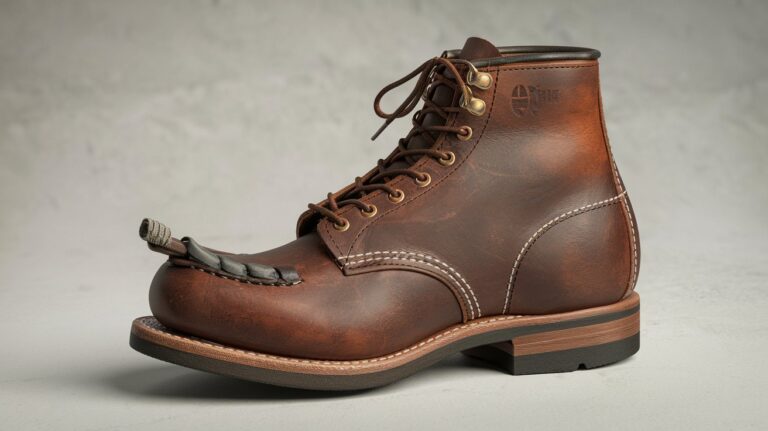
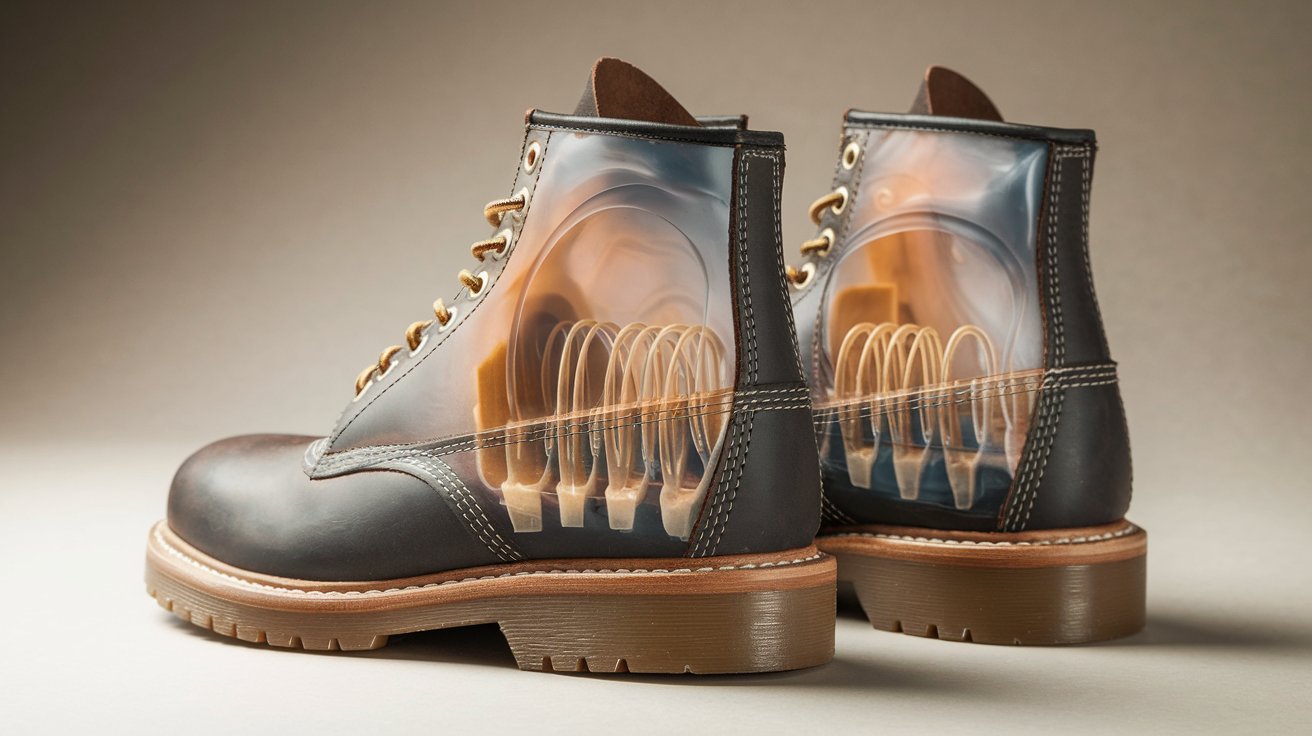
A boot last is a mechanical form shaped like a human foot that cobblers and shoemakers use to manufacture boots and shoes. This essential tool determines the final shape, size, and fit of footwear, making it crucial for both comfort and functionality. Understanding boot last meaning helps consumers make better footwear choices and appreciate the craftsmanship behind quality boots.
What Does Boot Last Mean in Shoemaking
The term boot last refers to a foot-shaped form traditionally made from wood, plastic, or metal that serves as a foundation for constructing boots and shoes. This tool has been used for centuries by cobblers and modern footwear manufacturers to ensure consistent sizing and proper fit. The last essentially acts as a three-dimensional template around which leather and other materials are shaped during the manufacturing process.
In the United States footwear industry, boot lasts are standardized according to specific measurements and sizing charts. Major American boot manufacturers like Red Wing, Wolverine, and Thorogood rely on precision-engineered lasts to maintain quality standards. The boot last meaning extends beyond simple shaping – it directly influences the boot’s arch support, toe box width, heel cup depth, and overall ergonomic design that affects long-term foot health.
Why Is It Called a Boot Last
The etymology of the word last in shoemaking traces back to the Old English word ‘laest,’ meaning footprint or track. This ancient term evolved into the modern cobbler’s terminology we use today. The name reflects the tool’s fundamental purpose – to leave a lasting impression or shape on the footwear being crafted. Understanding why it’s called a last provides insight into the deep historical roots of traditional shoemaking techniques that continue in 2024.
Professional cobblers and footwear historians note that the term has remained consistent across different languages and cultures, demonstrating the universal importance of this tool. In American shoemaking traditions dating back to colonial times, craftsmen would often carve their own wooden lasts to create custom-fitted boots for clients. Modern manufacturing has industrialized this process, but the fundamental boot last meaning remains unchanged in contemporary footwear production.
Essential Types of Boot Lasts
Understanding different types of boot lasts is crucial for both manufacturers and consumers seeking the perfect fit. Each last type is designed to accommodate specific foot shapes, intended uses, and comfort requirements. The selection of appropriate boot lasts directly impacts the final product’s performance and wearer satisfaction.
Standard and Universal Boot Lasts
Standard lasts represent the most commonly used forms in American footwear manufacturing, designed to fit the average foot dimensions across the US population. These lasts follow standardized measurements established by industry organizations and are used for mass-produced boots sold in retail stores. Major brands utilize standard boot lasts to ensure consistent sizing across their product lines, with slight variations to accommodate different boot styles from work boots to fashion footwear.
Narrow and Wide Boot Lasts
Narrow lasts cater to individuals with slender feet, providing a snugger fit around the instep and heel areas while maintaining proper toe box proportions. Conversely, wide lasts accommodate broader feet with extended toe boxes and increased overall girth. American footwear companies increasingly offer boots made on specialty lasts to serve diverse foot shapes, with width designations ranging from narrow (AA) to extra wide (4E) to meet varying consumer needs in the US market.
How Boot Lasts Influence Design and Performance
The selection and design of boot lasts fundamentally determine how footwear will look, feel, and perform during use. This critical component affects multiple aspects of boot construction, from aesthetic appeal to functional performance characteristics that impact the wearer’s daily experience.
Aesthetic Appeal and Boot Silhouette
The boot last directly controls the visual silhouette and proportions of finished footwear. Different last shapes create distinct aesthetic profiles – from sleek, tapered toe boxes popular in dress boots to wider, more robust profiles preferred for work boots. American fashion trends in 2024 favor versatile boot designs that balance style with functionality, requiring manufacturers to carefully select lasts that achieve both objectives while maintaining brand identity and consumer appeal.
Comfort and Fit Impact
Proper boot last selection ensures optimal comfort by matching the last’s shape to the intended wearer’s foot anatomy. The last determines arch support positioning, heel cup depth, toe box roominess, and instep height – all critical factors for long-term comfort. Studies from American podiatrists indicate that boots made on properly designed lasts reduce foot fatigue by up to 40% compared to poorly fitted alternatives, making last selection crucial for occupational footwear used by workers across the United States.
Boot Last Materials and Construction Methods
Modern boot lasts are manufactured using various materials, each offering specific advantages for different production requirements. Traditional wooden lasts remain popular for custom and high-end bootmaking, while plastic and metal alternatives dominate mass production facilities. The choice of last material affects durability, precision, and manufacturing efficiency in contemporary American footwear plants.
Advanced manufacturing techniques in 2024 include 3D-printed lasts created from digital foot scans, allowing for unprecedented customization in boot fitting. Major US manufacturers are investing in computer-aided design systems that generate boot lasts tailored to specific demographic data, improving fit accuracy across diverse American foot shapes and sizes while reducing production waste and development time.
Choosing the Right Boot Last for Your Needs
Selecting appropriate boot lasts requires understanding intended use, foot shape characteristics, and desired fit preferences. Professional bootmakers consider multiple factors when choosing lasts, including the wearer’s activity level, foot width variations, arch height, and any specific orthopedic requirements. The importance of proper last selection cannot be overstated, as it determines the boot’s ultimate comfort and functionality.
American consumers should seek boots made on lasts that accommodate their specific foot characteristics rather than attempting to adapt their feet to poorly fitted footwear. Quality boot manufacturers provide detailed information about their last specifications, helping customers make informed decisions. In 2024, advanced fitting technologies available in US retail locations include 3D foot scanning services that recommend boots made on compatible boot lasts for optimal comfort and performance.
Boot Lasts and Foot Health Considerations
The relationship between boot lasts and foot health is critically important for long-term podiatric wellness. Improperly designed or selected lasts can contribute to various foot problems, including bunions, hammertoes, plantar fasciitis, and general foot fatigue. American podiatrists emphasize that boots made on anatomically correct lasts support natural foot function and reduce the risk of developing painful conditions.
Research from US medical institutions demonstrates that occupational workers wearing boots made on properly designed boot lasts experience significantly fewer foot-related injuries and chronic pain conditions. The boot last meaning extends to preventive healthcare, as quality lasts help maintain proper foot alignment and support natural biomechanical function during extended wear periods common in American workplace environments.
Modern Boot Last Technology and Innovation
Contemporary boot last technology incorporates advanced materials science and digital manufacturing processes to achieve unprecedented precision and customization capabilities. American footwear companies are utilizing computer-aided design, 3D printing, and biomechanical analysis to create lasts that better serve diverse consumer needs while improving production efficiency and reducing environmental impact.
Innovative approaches in 2024 include smart lasts equipped with pressure sensors that provide real-time feedback during the lasting process, ensuring optimal material stretching and shaping. These technological advances allow US manufacturers to create boot lasts that accommodate subtle individual variations while maintaining consistent quality standards across large production runs, revolutionizing how the industry approaches the fundamental boot last meaning in modern manufacturing.
Related video about boot last meaning
This video complements the article information with a practical visual demonstration.
Most asked questions about boot last meaning
What does boot last mean in simple terms?
A boot last is a foot-shaped form used by shoemakers to construct boots and shoes. It serves as a template around which materials are shaped during manufacturing, determining the final fit, comfort, and appearance of the finished footwear. The last essentially acts as an artificial foot that guides the entire bootmaking process.
Why is it called a cobbler’s last?
The term ‘last’ comes from the Old English word ‘laest,’ meaning footprint or track. It’s called a cobbler’s last because cobblers (shoemakers) use this tool to create a lasting impression or shape on the footwear they craft. The name reflects the tool’s fundamental purpose of leaving a permanent form on shoes and boots.
How do boot lasts affect shoe fit?
Boot lasts directly determine shoe fit by controlling dimensions like toe box width, arch support position, heel cup depth, and overall foot accommodation. Different last shapes create varying fits – narrow lasts for slender feet, wide lasts for broader feet, and standard lasts for average foot dimensions. Proper last selection is crucial for comfort and foot health.
What materials are boot lasts made from?
Boot lasts are manufactured from wood, plastic, metal, or advanced composite materials. Traditional wooden lasts offer flexibility and customization for artisan bootmakers, while plastic and metal lasts provide durability and precision for mass production. Modern 3D-printed lasts using specialized polymers allow for unprecedented customization and rapid prototyping.
Can boot lasts be customized for individual feet?
Yes, boot lasts can be customized for individual feet through various methods. Traditional cobblers carve wooden lasts to match specific foot measurements, while modern technology uses 3D scanning and printing to create personalized lasts. Custom lasts are particularly valuable for people with foot irregularities or those requiring specialized occupational footwear.
How do boot lasts impact foot health?
Boot lasts significantly impact foot health by determining how well boots support natural foot anatomy and biomechanics. Properly designed lasts help prevent foot problems like bunions, plantar fasciitis, and chronic pain by ensuring adequate toe space, proper arch support, and correct heel positioning. Poor last selection can contribute to various podiatric issues over time.
| Boot Last Aspect | Key Function | Consumer Benefit |
|---|---|---|
| Shape Determination | Controls boot silhouette and proportions | Ensures consistent fit and style |
| Size Standardization | Maintains uniform sizing across production | Reliable fit expectations when purchasing |
| Comfort Engineering | Positions arch support and heel cup | Reduces foot fatigue and improves health |
| Material Shaping | Guides leather and fabric formation | Creates durable, well-fitted footwear |