Best Steel Toe Boots 2025: Complete Safety Footwear Guide
Steel toe boots are essential protective footwear designed to safeguard workers’ feet from falling objects, compression injuries, and electrical hazards. In 2025, these safety boots have evolved to combine maximum protection with enhanced comfort and durability, making them indispensable for construction, manufacturing, and industrial work environments across the United States.
What Are Steel Toe Boots Used For
Steel toe boots serve as critical safety equipment in numerous industries where foot injuries pose significant risks. These protective boots feature reinforced steel caps that can withstand impacts up to 75 pounds and compression forces of 2,500 pounds per square inch, meeting ASTM F2413-18 safety standards. Workers in construction, manufacturing, warehousing, and automotive industries rely on steel toe protection to prevent crush injuries, puncture wounds, and electrical accidents.
In 2025, the Bureau of Labor Statistics reports that proper safety footwear reduces workplace foot injuries by 68% annually. Industries requiring steel toe boots include construction (where 25% of all workplace injuries involve feet), oil and gas operations, heavy machinery operation, and electrical work. The protective steel cap extends beyond the toes to cover the metatarsal area, providing comprehensive front-foot protection against falling tools, heavy materials, and crushing hazards.
Top Steel Toe Boot Brands and Models
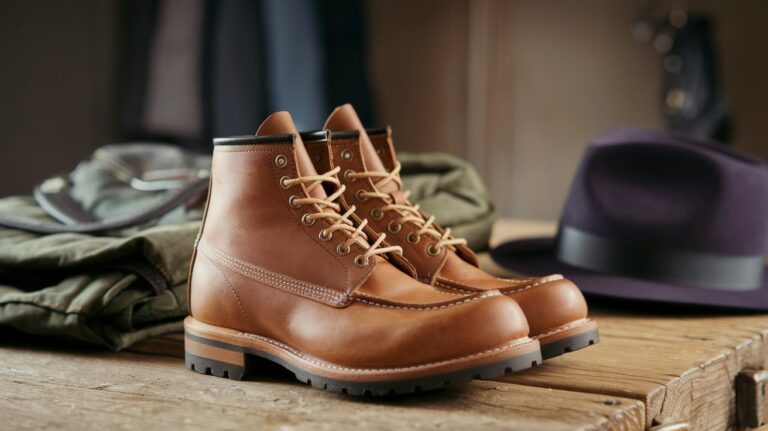
Red Wing steel toe boots have dominated the American safety footwear market for over 100 years, offering premium leather construction and superior durability. The Red Wing Iron Ranger and Worx models feature Goodyear welt construction and can last 5-10 years with proper maintenance. Timberland steel toe boots provide excellent value with their PRO series, incorporating anti-fatigue technology and waterproof membranes for all-day comfort in demanding work environments.
Other leading brands include Wolverine, known for their MultiShox comfort system, and Caterpillar, which offers rugged designs specifically for heavy equipment operators. Walmart steel toe boots provide budget-friendly options starting at $45, while premium brands like Danner and Thorogood offer specialized boots for specific industries. The average price range for quality steel toe boots in 2025 spans from $80 to $300, with mid-range options around $150 providing optimal protection-to-value ratios.
Steel Toe Boots for Men
Steel toe boots for men are available in various styles including 6-inch and 8-inch heights, with wide width options accommodating different foot shapes. Popular men’s models feature reinforced heel counters, slip-resistant outsoles rated for specific coefficients of friction, and moisture-wicking linings to prevent bacterial growth during long work shifts. Leading manufacturers offer men’s steel toe boots in sizes 7-16, with EE and EEE width options for workers requiring extra room.
Steel Toe Boots for Women
Steel toe boots for women have gained significant market share, with specialized lasts designed for narrower heels and different arch support requirements. Women’s models typically feature 5-6 inch heights for easier mobility and come in sizes 5-12 with narrow and regular width options. The protective steel cap maintains the same ASTM standards while being proportioned for women’s foot anatomy, ensuring proper fit without compromising safety protection.
Waterproof Steel Toe Boots Technology
Waterproof steel toe boots incorporate advanced membrane technologies like Gore-Tex, eVent, and proprietary waterproof-breathable systems to keep feet dry in wet working conditions. These membranes allow moisture vapor to escape while preventing water infiltration, crucial for workers in concrete finishing, roofing, and outdoor construction. The waterproof rating is measured in millimeters of water column pressure, with quality waterproof boots withstanding 10,000-20,000mm of hydrostatic pressure.
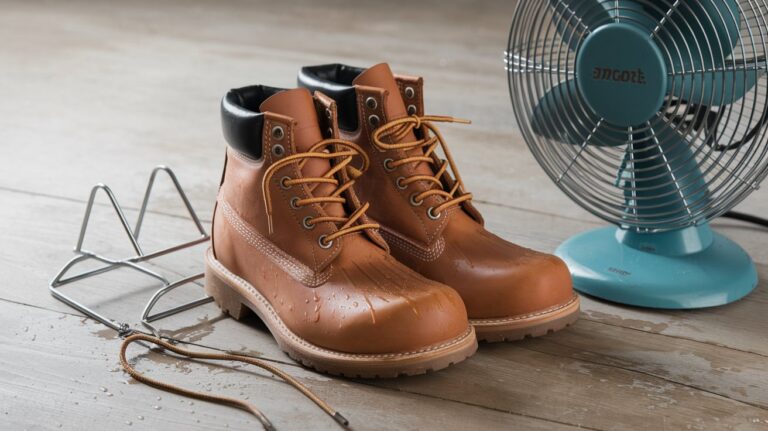
Modern waterproof steel toe boots feature sealed seams, gusseted tongues, and direct-attach construction methods that eliminate potential water entry points. The average drying time for wet conditions is reduced by 40% compared to non-waterproof alternatives, while maintaining breathability rates of 8-12 grams per square meter per hour. Workers in the Pacific Northwest and Northeast regions particularly benefit from waterproof protection during extended outdoor work periods.
Steel Toe vs Composite Toe vs Aluminum Toe Comparison
Steel toe boots offer superior impact and compression resistance compared to composite and aluminum alternatives, with steel caps providing the highest protection levels under ASTM testing protocols. Steel toes weigh approximately 6-8 ounces more than composite alternatives but offer unlimited durability and maintain protection integrity even after severe impacts. The thermal conductivity of steel can cause discomfort in extreme cold conditions below 20°F, making composite toe boots preferable for arctic work environments.
Aluminum toe boots provide a middle ground, weighing 30% less than steel while offering similar protection levels for most industrial applications. Composite toes excel in electrical safety environments and pass through metal detectors, making them ideal for airport workers and electrical technicians. However, steel toe protection remains the gold standard for construction, heavy manufacturing, and high-impact work environments where maximum protection is non-negotiable.
OSHA Compliance and Safety Standards
OSHA regulations under 29 CFR 1910.136 require employers to provide protective footwear when workers face foot injury risks from falling objects, crushing, or electrical hazards. Composite toe boots are OSHA-approved and meet the same ASTM F2413-18 impact and compression standards as steel toes. The decision between steel and composite often depends on specific workplace hazards, with OSHA allowing both materials as long as they meet minimum protection requirements of 75-foot pounds of impact and 2,500 pounds of compression force.
Weight and Comfort Considerations
The weight difference between steel toe and composite toe boots significantly impacts worker fatigue during long shifts. Steel toes add approximately 1.5-2 pounds to boot weight, while composite alternatives reduce this burden by 40-50%. Advanced ergonomic designs in 2025 include carbon fiber shanks, EVA midsoles, and polyurethane outsoles that minimize the perception of additional weight while maintaining steel toe protection standards.
Essential Features to Consider When Buying
When selecting steel toe boots, prioritize proper fit with adequate toe room (thumb-width space), arch support that matches your foot type, and slip-resistant outsoles rated for your specific work environment. Quality safety boots should feature oil-resistant outsoles, electrical hazard protection rated for 18,000 volts, and puncture-resistant midsoles for comprehensive foot protection. The break-in period for leather boots typically ranges 20-40 hours of wear.
Additional features to evaluate include antimicrobial linings that prevent odor-causing bacteria, removable cushioned insoles for custom orthotics, and direct-attach construction for improved durability. Steel toe boots with Goodyear welt construction can be resoled multiple times, extending their lifespan to 5-10 years with proper maintenance. Heat-resistant outsoles rated for temperatures up to 572°F are essential for foundry workers and hot asphalt applications.
Where to Buy Steel Toe Boots
Finding steel toe boots nearby is convenient through major retailers like Home Depot, Lowe’s, and Boot Barn, which offer extensive in-store fitting services and same-day availability. Walmart steel toe boots provide budget-conscious options with brands like Brahma and Faded Glory, typically priced $40-80 for basic protection needs. Specialized safety equipment dealers offer professional fitting services and can order specific widths or hard-to-find sizes with 2-3 day delivery times.
Online retailers like Amazon, Zappos, and manufacturer direct websites provide extensive selection and customer reviews, though proper sizing becomes critical without in-person fitting. Many online retailers offer free return shipping for sizing exchanges, with average delivery times of 2-5 business days. Steel toe boot prices vary significantly by retailer, with seasonal sales typically offering 20-40% discounts during spring and fall months when inventory turnover is highest.
Steel Toe Boot Maintenance and Care
Proper maintenance extends steel toe boot lifespan significantly, with regular cleaning, conditioning, and drying procedures preventing premature deterioration. Clean boots weekly using saddle soap or specialized leather cleaners, removing salt stains and chemical residues that can break down leather fibers. Condition leather boots monthly with mink oil or proprietary leather conditioners, paying special attention to flex points where cracking commonly occurs.
Rotate between two pairs of steel toe boots to allow complete moisture evaporation between wear cycles, reducing bacterial growth and extending boot life by 60-80%. Replace worn outsoles when tread depth reaches 2mm, and inspect steel toes regularly for deformation or damage that could compromise protection. Quality safety boots with proper care typically provide 12-18 months of daily use in moderate industrial environments, with premium brands lasting 3-5 years under similar conditions.
Industry-Specific Steel Toe Boot Requirements
Construction workers require steel toe boots with puncture-resistant midsoles rated for 1,200 joules of impact energy, particularly important when working around nails, rebar, and sharp debris. Electrical workers need boots with electrical hazard protection and non-conductive outsoles, while avoiding steel toes in high-voltage environments where composite toe alternatives provide better electrical isolation. Manufacturing environments often specify slip-resistant outsoles with specific coefficient ratings for oil-covered floors.
Foundry workers require heat-resistant steel toe boots with specialized outsoles rated for temperatures exceeding 400°F, while chemical processing facilities mandate boots with chemical-resistant materials and sealed construction. The oil and gas industry typically requires steel toe protection combined with metatarsal guards and static-dissipative properties to prevent spark generation. Each industry maintains specific ASTM and ANSI standards that must be met for compliance with workplace safety regulations.
Future of Steel Toe Boot Technology
Advanced materials in 2025 include carbon fiber reinforcement that provides steel toe protection equivalent strength at 40% reduced weight, while smart sensor technology monitors foot pressure and gait patterns to prevent overuse injuries. 3D printing technology enables custom-fitted steel toe boots based on individual foot scans, improving comfort and reducing break-in periods to under 10 hours of wear.
Emerging technologies include self-healing leather treatments that automatically repair minor cuts and punctures, extending boot lifespan by 50% in harsh environments. Antimicrobial copper-infused linings prevent bacterial and fungal growth, while phase-change materials regulate foot temperature across varying work conditions. The integration of IoT sensors in safety boots provides real-time monitoring of workplace hazards and can alert supervisors to potential safety violations or equipment failures.
Related video about steel toe boots
This video complements the article information with a practical visual demonstration.
Everything you need to know about steel toe boots
What are steel toe boots used for?
Steel toe boots are used for protecting workers’ feet from falling objects, crushing injuries, and electrical hazards in industrial environments. They’re required in construction, manufacturing, warehousing, and automotive industries where heavy materials and machinery pose significant foot injury risks. The steel toe cap can withstand impacts up to 75 pounds and compression forces of 2,500 pounds per square inch.
Does OSHA allow composite toe boots?
Yes, OSHA allows composite toe boots as long as they meet ASTM F2413-18 safety standards for impact and compression resistance. Composite toes must provide the same minimum protection levels as steel toes: 75 foot-pounds of impact energy and 2,500 pounds of compression force. They’re particularly beneficial in electrical work environments and locations requiring metal detector passage.
What’s better, aluminum toe or steel toe?
Steel toe boots provide superior durability and unlimited impact resistance, making them better for heavy construction and manufacturing environments. Aluminum toes are 30% lighter and offer adequate protection for moderate industrial work, but may dent permanently under severe impacts. Steel toes maintain protection integrity even after multiple impacts, while aluminum toes may require replacement after significant damage.
Are all Irish Setter boots steel toe?
No, not all Irish Setter boots feature steel toes. Irish Setter, owned by Red Wing Shoes, manufactures both safety toe and soft toe work boots. Their safety line includes steel toe, composite toe, and aluminum toe options, while their hunting and casual work boots typically feature soft toe construction. Always check specific model specifications to confirm safety toe features.
How long do steel toe boots last?
Quality steel toe boots typically last 12-18 months with daily industrial use, while premium brands can provide 3-5 years of service with proper maintenance. Boots with Goodyear welt construction can be resoled multiple times, extending their lifespan significantly. Factors affecting durability include work environment harshness, maintenance frequency, and construction quality.
Can you fly wearing steel toe boots?
You can fly wearing steel toe boots, but they will trigger metal detectors at TSA security checkpoints, requiring removal for separate screening. This can cause delays during security processing. Composite toe boots are preferred for frequent travelers as they don’t contain metal components and pass through metal detectors without triggering alarms, while providing equivalent safety protection.
| Boot Type | Protection Level | Key Benefits |
|---|---|---|
| Steel Toe | Maximum impact/compression resistance | Unlimited durability, superior protection |
| Composite Toe | Equal ASTM F2413-18 standards | Lightweight, non-metallic, insulative |
| Aluminum Toe | Moderate industrial protection | 30% lighter than steel, adequate safety |
| Waterproof Options | Same as base protection plus moisture barrier | Dry feet, extended wear comfort |