Best Heavy Work Boots 2025: Steel Toe & Waterproof Guide
Finding the right heavy work boots is crucial for workplace safety and comfort in 2025. Whether you need steel toe heavy work boots for construction sites or waterproof work boots for outdoor jobs, choosing the proper footwear can prevent injuries and increase productivity. This comprehensive guide covers everything from the best heavy work boots available to proper maintenance techniques for lasting durability.
What Are Heavy Work Boots and Why They Matter
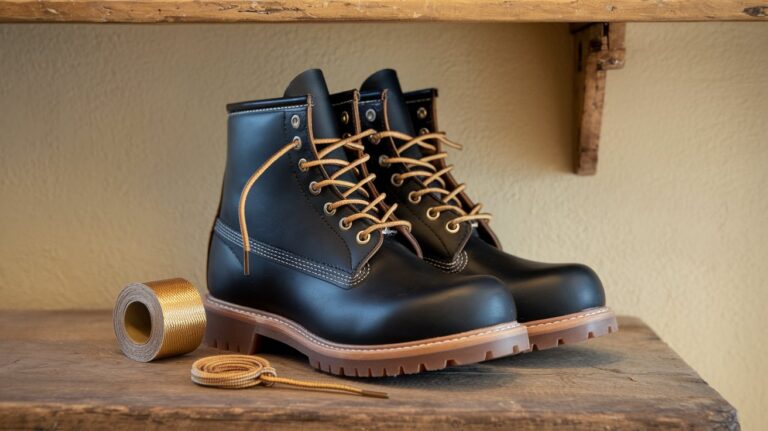
Heavy work boots are specialized footwear designed to withstand extreme workplace conditions while providing maximum protection and support. These boots typically feature reinforced construction, safety toes, slip-resistant outsoles, and durable materials that can handle demanding environments. In 2025, workplace safety regulations require employers to provide appropriate protective equipment, making heavy-duty work boots essential for industries like construction, manufacturing, and oil extraction.
The average heavy work boot weighs between 2.5 to 4.5 pounds per pair, significantly more than regular footwear. This additional weight comes from safety features like steel toe caps, reinforced shanks, and thick rubber outsoles. While some workers initially find the weight uncomfortable, modern designs from brands like Thorogood boots and KEEN work boots have improved comfort without compromising protection.
Essential Features of the Best Heavy Work Boots
When selecting heavy work boots men’s options, several critical features determine their effectiveness and durability. Understanding these components helps workers make informed decisions that impact their daily comfort and long-term foot health.
Steel Toe Protection and Safety Standards
Steel toe heavy work boots must meet ASTM F2413 standards in the United States, requiring them to withstand 75 pounds of compression and impact from a 50-pound weight dropped from 18 inches. Modern alternatives include composite toe caps made from carbon fiber or Kevlar, which offer similar protection while being 30% lighter than traditional steel. In 2025, composite toe options have gained popularity among workers who frequently pass through metal detectors or work in electrical environments.
Waterproof and Weather Resistance
Work boots waterproof capabilities have advanced significantly with technologies like Gore-Tex membranes and proprietary waterproof treatments. These features are particularly important for outdoor workers, as wet feet can lead to blisters, fungal infections, and decreased performance. The best heavy work boots for 2025 offer breathable waterproofing that keeps moisture out while allowing sweat vapor to escape, preventing the clammy feeling common in older waterproof designs.
Top Heavy Work Boot Brands and Models for 2025
The heavy work boots market in 2025 features several standout brands that consistently deliver quality, durability, and innovation. Understanding the strengths of each brand helps workers choose boots that match their specific workplace requirements and personal preferences.
Thorogood Boots Excellence
Thorogood boots have maintained their reputation as premium American-made footwear, with their 804-4200 model being a top choice among construction professionals. Made in Wisconsin, these boots feature full-grain leather construction, Goodyear welt construction for resoling capability, and MAXwear Wedge outsoles for superior traction. Thorogood’s commitment to domestic manufacturing ensures consistent quality control and supports American workers, making them a preferred choice for many professionals.
KEEN Work Boots Innovation
KEEN work boots excel in comfort technology and environmental sustainability, with their Utility line featuring asymmetrical steel toes that provide 15% more room than traditional designs. Their proprietary KEEN.DRY waterproof membrane and KEEN.ReGEN midsole technology offer exceptional comfort for workers who spend long hours on their feet. KEEN’s commitment to using recycled materials and sustainable manufacturing processes appeals to environmentally conscious workers in 2025.
How Heavy Should Work Boots Be for Optimal Performance
The ideal weight for heavy work boots balances protection with mobility, typically ranging from 3.5 to 4.2 pounds per pair for men’s size 10. Boots weighing less than 3 pounds often lack adequate protection features, while boots exceeding 5 pounds can cause premature fatigue and increase the risk of trips and falls. Workers in different industries have varying weight preferences based on their specific job requirements and physical demands.
Construction workers generally prefer boots in the 3.8 to 4.5-pound range for maximum protection against falling objects and puncture hazards. Warehouse workers often choose lighter options around 3.2 to 3.8 pounds to reduce fatigue during long shifts involving extensive walking. The best heavy work boots achieve optimal weight distribution through advanced materials and strategic placement of protective elements.
Why Do Work Boots Cause Foot Pain and Solutions
Many workers experience foot pain when transitioning to heavy work boots, with common issues including arch pain, heel discomfort, and toe cramping. These problems typically result from improper fit, inadequate break-in periods, or incompatible foot shapes. Understanding the root causes helps workers select appropriate boots and implement solutions for comfortable wear.
The additional weight of heavy-duty work boots steel toe options can strain foot muscles and alter natural gait patterns, especially during the initial adjustment period. Workers should gradually increase wearing time over 1-2 weeks, starting with 2-3 hours daily and progressively extending duration. Quality aftermarket insoles, proper sock selection, and ensuring adequate toe room can significantly reduce discomfort and improve long-term foot health.
Benefits and Versatility of Heavy Duty Work Boots
Heavy work boots offer numerous advantages beyond basic foot protection, including improved posture support, reduced fatigue through proper arch support, and long-term cost savings through durability. These benefits make them valuable investments for workers across various industries.
Ankle Support and Injury Prevention
The high-top design of most heavy work boots men’s options provides crucial ankle support that reduces the risk of sprains and twists on uneven surfaces. The reinforced ankle collar and padded support systems help maintain proper foot alignment during extended wear. Studies show that workers wearing proper ankle-supporting boots experience 40% fewer ankle-related injuries compared to those in low-cut safety shoes.
Long-Term Cost Savings
Quality heavy work boots typically cost $150-$400 but can last 1-3 years with proper care, making them more economical than frequent replacements of cheaper alternatives. Resoleable construction found in premium brands like Thorogood boots extends lifespan further, with resoling costs of $50-$80 compared to $200+ for new boots. The reduced injury risk and improved productivity also contribute to long-term financial benefits.
Daily Wear Suitability of Heavy Duty Work Boots
Modern heavy work boots have evolved to be suitable for daily wear beyond the workplace, with improved comfort features and styling that transitions well to casual settings. However, workers should consider the impact of constant wear on boot lifespan and foot health. Rotating between work boots and casual footwear can extend boot life and provide feet with varied support patterns.
The best heavy work boots for daily wear feature moisture-wicking linings, cushioned insoles, and flexible outsoles that adapt well to different surfaces. Brands like KEEN work boots offer hybrid designs that maintain safety certifications while providing the comfort and appearance suitable for after-work activities. Workers should ensure proper fit and consider custom orthotics for all-day comfort.
Maintenance Guidelines for Heavy Work Boots
Proper maintenance significantly extends the lifespan of heavy work boots and maintains their protective properties. Regular cleaning, conditioning, and inspection should be part of every worker’s routine to ensure optimal performance and value from their investment.
Daily maintenance includes removing dirt and debris, allowing boots to air dry completely between wears, and inspecting for damage or wear patterns. Weekly care should involve deep cleaning with appropriate leather cleaners, conditioning with quality leather conditioners, and checking lace integrity. Monthly inspections should focus on sole wear, steel toe condition, and waterproof membrane integrity for work boots waterproof models.
When to Replace Your Heavy Work Boots
Recognizing replacement indicators ensures continuous protection and prevents workplace injuries from compromised footwear. Heavy work boots should be replaced when protective features become compromised, regardless of overall appearance or comfort level.
Critical replacement indicators include worn outsole treads with less than 2mm depth, visible cracks in the steel toe area, separated sole attachment, and compromised waterproofing in waterproof work boots. Interior wear patterns, persistent odors despite cleaning, and loss of ankle support also signal replacement time. The average lifespan for heavy-duty work boots steel toe ranges from 6-18 months depending on usage intensity and work environment conditions.
Related video about heavy work boots
This video complements the article information with a practical visual demonstration.
FAQ – Common Questions
What is the toughest work boot available in 2025?
The toughest work boots in 2025 include Thorogood’s 804-4200 series and KEEN’s Utility line, both meeting ASTM F2413 standards. These boots feature full-grain leather construction, steel toe protection, and can withstand extreme industrial conditions. Thorogood boots are particularly renowned for their American-made quality and resoleable construction, while KEEN offers innovative comfort technologies for extended wear.
How heavy should work boots be for optimal safety and comfort?
Optimal work boot weight ranges from 3.5 to 4.2 pounds per pair for men’s size 10. This weight provides adequate protection through steel toe caps, reinforced construction, and slip-resistant outsoles without causing excessive fatigue. Boots under 3 pounds typically lack sufficient protection, while boots over 5 pounds can increase fatigue and injury risk during long work shifts.
Why do my feet hurt in work boots and how can I fix it?
Foot pain in work boots commonly results from improper fit, inadequate break-in periods, or incompatible arch support. Solutions include gradual break-in over 1-2 weeks, using quality aftermarket insoles, ensuring proper toe room, and selecting moisture-wicking socks. The additional weight of heavy work boots can alter gait patterns, requiring adjustment time and potentially custom orthotics for optimal comfort.
What makes heavy-duty work boots different from regular safety shoes?
Heavy-duty work boots feature reinforced construction, higher ankle support, thicker outsoles, and enhanced protective elements compared to regular safety shoes. They typically weigh 2.5-4.5 pounds per pair and include features like steel toe caps, puncture-resistant midsoles, and waterproof membranes. The robust construction allows them to withstand extreme conditions and provide superior protection for high-risk work environments.
Are waterproof work boots worth the extra cost?
Waterproof work boots are worthwhile for outdoor workers and those in wet environments, preventing foot problems like blisters, fungal infections, and decreased performance. Modern waterproof technologies like Gore-Tex offer breathable protection that keeps feet dry while allowing moisture vapor to escape. The health benefits and improved comfort typically justify the additional $50-100 cost for workers regularly exposed to wet conditions.
How long do heavy work boots typically last?
Quality heavy work boots typically last 6-18 months depending on usage intensity and work environment. Premium brands with resoleable construction like Thorogood can extend lifespan to 2-3 years with proper maintenance and resoling. Factors affecting longevity include daily usage hours, work surface conditions, maintenance frequency, and initial build quality. Proper care including cleaning, conditioning, and rotation can significantly extend boot lifespan.
| Key Feature | Specification | Benefit |
|---|---|---|
| Steel Toe Protection | ASTM F2413 Certified, 75 lbs compression | Prevents crushing injuries |
| Weight Range | 3.5-4.2 lbs per pair (size 10) | Optimal protection-comfort balance |
| Waterproof Membrane | Gore-Tex or equivalent technology | Dry feet in wet conditions |
| Lifespan | 6-18 months average usage | Cost-effective protection |
| Top Brands | Thorogood, KEEN, Red Wing | Proven quality and reliability |