Shoelace Parts Name: Complete Guide to Aglets & Components
Understanding shoelace parts name terminology helps you identify each component of your footwear. The most recognizable element is the aglet, the plastic or metal tip that prevents fraying. Other essential parts include eyelets, the lace body, and various shoe components that work together. This comprehensive guide covers every shoelace part you need to know for proper maintenance and replacement.
What Are Aglets: The Essential Shoelace Tips
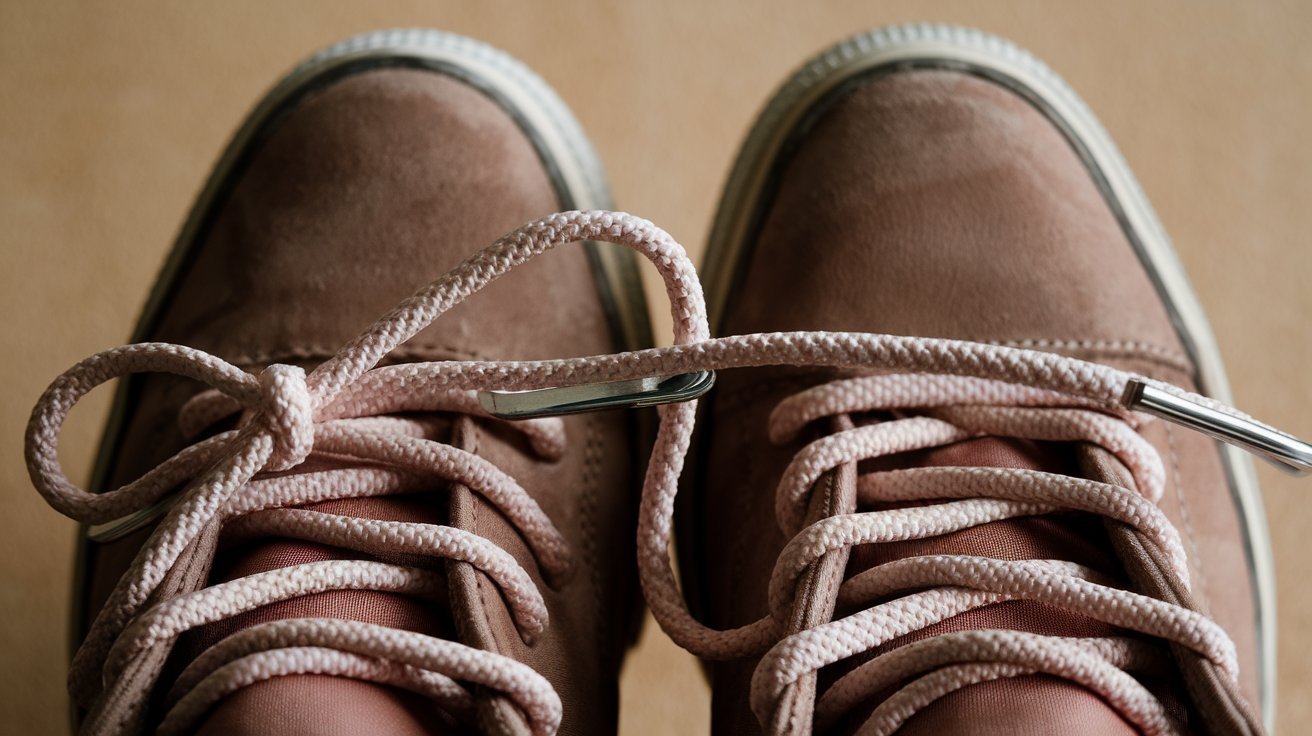
The aglet represents the most important yet overlooked component of shoelaces. These small plastic or metal caps protect the lace ends from fraying and make threading through eyelets effortless. Most modern shoelace aglets are manufactured from durable plastic compounds that withstand daily wear. In 2024, premium shoe brands increasingly use metal aglets for enhanced durability and aesthetic appeal.
When aglets break or fall off, shoelaces become difficult to thread and prone to unraveling. Quality aglets feature reinforced construction with internal ridges that grip the lace fibers securely. The standard aglet length ranges from 8-12 millimeters, with wider laces requiring proportionally larger tips for proper function.
Plastic vs Metal Aglet Construction
Plastic aglets dominate the mass market due to cost-effectiveness and manufacturing simplicity. These lightweight tips resist corrosion and provide adequate protection for casual footwear. However, metal aglets offer superior durability and premium appearance, commonly found on dress shoes and high-end athletic footwear. Stainless steel and brass aglets maintain their shape and finish through extensive use.
Aglet Replacement and Repair Options
Replacing damaged aglets extends shoelace life significantly and costs far less than new laces. Aglet replacement kits available in 2024 include various sizes and materials to match original specifications. DIY repair involves carefully removing the damaged tip, trimming frayed lace ends, and securing the new aglet with proper crimping tools for lasting results.
Eyelets and Grommets: Where Laces Pass Through
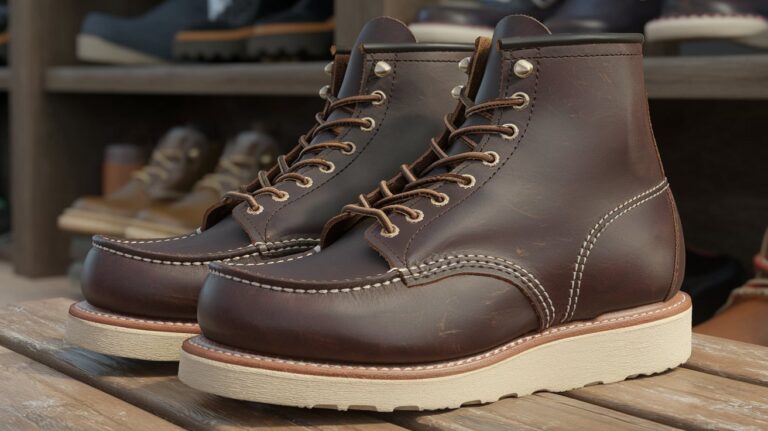
Shoe eyelets provide the threading points where shoelaces pass through upper materials. These circular openings require reinforcement to prevent tearing under tension. Standard eyelet construction includes metal grommets that distribute stress across surrounding fabric or leather. Modern athletic shoes feature up to 12 eyelets per shoe, while dress shoes typically use 5-7 pairs for optimal fit adjustment.
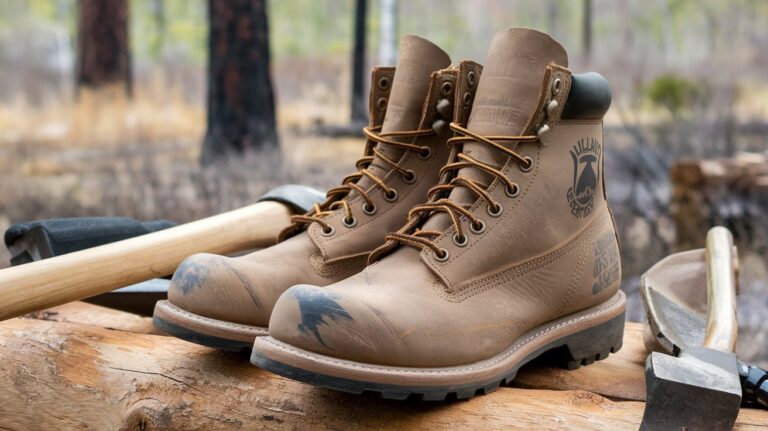
The holes for shoelaces vary in diameter based on lace thickness and intended use. Racing flats use smaller eyelets with thin laces for weight reduction, while work boots feature larger openings accommodating thick, durable laces. Proper eyelet maintenance prevents premature lace wear and ensures consistent tension distribution.
Shoelace Body Construction and Materials
The main shoelace body consists of braided or twisted fibers that provide strength and flexibility. Cotton remains the traditional choice for dress shoes, offering durability and professional appearance. Modern shoelaces incorporate synthetic materials like polyester and nylon for enhanced strength and weather resistance. Athletic footwear commonly uses elastic-core laces that maintain tension while allowing foot movement.
Quality shoelace construction features consistent diameter throughout the length, preventing uneven wear and threading difficulties. Premium laces include reinforced cores wrapped with protective outer braiding. The standard lengths range from 24 inches for children’s shoes to 84 inches for high-top boots, with most adult shoes using 45-54 inch shoelaces for proper fit.
Flat vs Round Shoelace Styles
Flat shoelaces provide broader contact surface with eyelets, reducing cutting and wear. These laces work best with dress shoes and sneakers featuring standard circular eyelets. Round shoelaces offer traditional appearance and easier threading but may wear faster under heavy use. Boot applications typically favor round laces for their ability to maintain tension in multiple eyelet configurations.
Specialty Lace Materials and Features
Reflective shoelaces enhance visibility for night runners and outdoor workers, incorporating retroreflective threads into standard construction. Elastic laces eliminate the need for tying while providing consistent fit throughout activities. Waterproof treatments protect shoelaces from moisture absorption, preventing stretching and odor retention in harsh conditions.
Upper Shoe Components That Connect With Laces
The shoe upper encompasses all materials covering the foot, working directly with the lacing system for secure fit. Quality uppers feature reinforced eyelet areas that resist tearing under lace tension. The throat opening width determines lacing requirements, with narrow openings needing shorter laces and fewer eyelets for proper closure.
Tongue construction significantly affects lace performance and comfort. Padded tongues distribute shoelace pressure evenly across the foot while preventing pressure points. Gusseted tongues attach to upper sides, creating water-resistant barriers while maintaining consistent lace tension during movement.
Lace Locks and Tension Management Systems
Modern athletic shoes incorporate lace locks that maintain consistent tension without traditional bow tying. These plastic or metal devices grip laces at predetermined points, allowing quick adjustment and secure hold. Toggle-style locks enable one-handed operation, particularly valuable for athletes and individuals with limited dexterity.
Speed lacing systems replace traditional eyelets with quick-release mechanisms. These innovations reduce lacing time while providing reliable security during intense activities. Military and emergency service footwear increasingly adopts these systems for rapid deployment situations where seconds matter.
Elastic Lace Systems
Elastic shoelaces eliminate tying while providing consistent fit throughout daily activities. These systems work particularly well for children, elderly individuals, and athletes who prioritize convenience. Quality elastic laces maintain tension for months of regular use without stretching or losing grip strength.
BOA and Wire Lacing Technologies
BOA closure systems use steel cables instead of traditional shoelaces, operated by precision dials for micro-adjustments. These systems provide uniform pressure distribution and eliminate pressure points common with standard lacing. Professional cycling and skiing applications favor BOA systems for their reliability and precise fit control.
Shoelace Maintenance and Replacement Guidelines
Proper shoelace care extends their lifespan significantly while maintaining appearance and function. Regular cleaning removes dirt and oils that weaken fibers over time. Machine washing works for synthetic laces, while leather and specialty materials require hand cleaning with appropriate products. Replacing laces every 6-12 months prevents unexpected failures during important activities.
Signs indicating shoelace replacement include frayed aglets, thinning sections, and difficulty maintaining knots. Quality replacement laces should match original specifications for length, width, and material composition. Keeping spare shoelaces prevents inconvenience when primary laces fail unexpectedly.
Professional Applications and Specialized Lace Requirements
Workplace safety regulations often specify shoelace requirements for protective footwear. Steel-toed boots typically use round laces rated for high tension loads. Food service environments may require antimicrobial laces that resist bacterial growth and facilitate sanitization. Medical professionals often choose laces that withstand frequent cleaning with strong disinfectants.
Military and law enforcement applications demand shoelaces that perform reliably under extreme conditions. These laces undergo rigorous testing for strength, weather resistance, and quick replacement capabilities. Specification requirements ensure consistent performance across different manufacturers and environmental conditions.
Athletic Performance Lacing
Competitive athletes require shoelaces that maintain consistent tension throughout extended activities. Racing applications favor lightweight materials that minimize energy expenditure while providing secure fit. Custom lacing patterns optimize performance characteristics for specific sports and individual foot shapes.
Fashion and Aesthetic Considerations
Designer footwear often features specialty shoelaces that complement overall aesthetic themes. Luxury brands may use waxed cotton, leather, or exotic materials for distinctive appearance. Color coordination and texture matching ensure laces enhance rather than detract from shoe design elements.
Related video about shoelace parts name
This video complements the article information with a practical visual demonstration.
Important things to know about shoelace parts name
What are the parts of a shoe lace?
A shoelace consists of three main parts: the aglets (plastic or metal tips that prevent fraying), the lace body (braided or twisted fibers), and sometimes reinforced sections near the aglets. The aglets are the most critical component as they enable easy threading through eyelets and protect the lace ends from damage.
What are the things on shoelaces called?
The plastic or metal tips on shoelaces are called aglets. These small caps serve essential functions including preventing the lace ends from fraying, making threading through eyelets easier, and maintaining the structural integrity of the shoelace. Quality aglets feature internal ridges that grip lace fibers securely.
What is the tiny piece at the end of a shoe lace?
The tiny piece at the end of a shoelace is called an aglet. This small protective cap, typically made from plastic or metal, prevents the lace from unraveling and facilitates easy insertion through shoe eyelets. Aglets are essential for proper shoelace function and typically measure 8-12 millimeters in length.
What are the holes for shoelaces called?
The holes for shoelaces are called eyelets. These circular openings in shoe uppers are typically reinforced with metal grommets to prevent tearing under lace tension. Eyelets vary in size and number depending on shoe type, with athletic shoes featuring up to 12 eyelets per shoe for optimal fit adjustment.
How often should I replace my shoelaces?
Shoelaces should be replaced every 6-12 months depending on usage frequency and conditions. Signs indicating replacement include frayed aglets, thinning sections, difficulty maintaining knots, and visible wear patterns. Regular replacement prevents unexpected failures and maintains proper foot support and shoe security.
What materials are used for shoelace construction?
Common shoelace materials include cotton for dress shoes, polyester and nylon for athletic applications, and elastic fibers for convenience lacing. Premium options include leather, waxed cotton, and specialty synthetic blends. Material choice affects durability, appearance, and performance characteristics based on intended use and environmental conditions.
| Shoelace Component | Primary Function | Key Benefit |
|---|---|---|
| Aglets | Prevent fraying and enable threading | Extended lace life and easy use |
| Lace Body | Provide adjustable shoe closure | Custom fit and security |
| Eyelets | Create threading points in shoe upper | Even tension distribution |
| Reinforced Core | Maintain structural integrity | Consistent performance |