What is Celastic Toe: Complete Guide to Work Boot Features
A celastic toe is a protective reinforcement system used in work boots and shoes that provides enhanced durability and shape retention without the weight of steel. Made from cellulose acetate plastic materials, celastic toe boots offer moderate protection while maintaining flexibility and comfort for workers who need reliable footwear without heavy safety toe requirements.
What IS A Celastic Toe In Work Boots
Celastic toe construction refers to a protective toe cap system that uses molded cellulose acetate plastic to reinforce the front portion of work boots. Unlike steel toe or composite toe options, celastic provides structural support and shape retention while remaining lightweight and flexible. This technology was originally developed in the 1940s and has evolved to meet modern workplace demands in 2024.
The celastic material is thermoplastic, meaning it can be heated and molded into specific shapes during manufacturing. This allows boot makers to create precise toe boxes that maintain their form under pressure while providing enough flexibility for natural foot movement. Most celastic toe boots are designed for light to moderate duty applications where full safety toe protection isn’t required by OSHA standards.
Celastic Material Composition and Properties
Celastic is made of cellulose acetate, a biodegradable thermoplastic derived from cotton linters or wood pulp. The material is processed with plasticizers and stabilizers to create a durable, moldable substance that resists cracking and maintains flexibility at various temperatures. Modern celastic formulations used in 2024 include UV stabilizers to prevent degradation from sunlight exposure during outdoor work.
Manufacturing Process and Application
During boot production, celastic toe caps are heated to approximately 180-200°F and molded over specialized forms to create the desired shape. The plastic is then cooled and permanently bonded to the boot’s upper materials using adhesives and stitching. This process ensures the celastic toe structure maintains its protective shape throughout the boot’s lifespan while allowing for natural foot flex.
Celastic Toe vs Steel Toe Comparison
Celastic toe vs steel toe differences are significant in terms of weight, protection level, and workplace applications. Steel toe boots provide ANSI/ASTM safety ratings for impact and compression protection, typically withstanding 75 pounds of impact and 2,500 pounds of compression force. Celastic toe boots don’t meet these safety standards but offer superior comfort for extended wear periods.
Weight comparison shows steel toe boots typically add 1-2 pounds per pair due to the metal protection, while celastic toe options add only 2-4 ounces. This weight difference becomes crucial for workers who walk extensively during their shifts. Additionally, steel toes can conduct cold and heat, making them uncomfortable in extreme temperatures, while celastic toe materials provide better insulation properties.
Celastic Toe vs Soft Toe Differences
Celastic toe vs soft toe boots present distinct advantages depending on work requirements. Soft toe boots offer maximum flexibility and natural foot feel but provide no structural protection against impacts or crushing hazards. Celastic toe shoes bridge this gap by offering moderate protection with enhanced shape retention compared to completely soft constructions.
The celastic toe design maintains boot shape even after extended wear, preventing the toe box from collapsing or becoming misshapen like traditional soft toe boots. This structural integrity extends boot lifespan and maintains professional appearance longer. Workers in retail, light construction, or service industries often prefer celastic toe boots over soft toe options for this durability benefit while avoiding the weight and rigidity of safety toes.
Should I Get A Celastic Toe Work Boot
Choosing celastic toe work boots depends on your specific job requirements, comfort preferences, and safety regulations. These boots are ideal for workers in non-hazardous environments who need durable footwear with enhanced toe protection but don’t require OSHA-compliant safety features. Common applications include retail management, light warehouse work, delivery services, and office environments with occasional outdoor duties.
Consider celastic toe boots if you experience foot fatigue from heavy safety toes but need more protection than soft toe options provide. The lightweight construction reduces leg strain during long work days while maintaining professional appearance. However, if your workplace requires ANSI/ASTM safety ratings or if you work around heavy machinery, falling objects, or compression hazards, steel toe or composite toe boots remain the safer choice despite their added weight.
Best Industries for Celastic Toe Boots
Celastic toe applications are most suitable in service industries, light manufacturing, food service, healthcare support roles, and transportation sectors where safety toe requirements don’t apply. These boots excel in environments requiring long periods of standing or walking on various surfaces while maintaining professional appearance standards throughout the workday.
When to Avoid Celastic Toe Options
Avoid celastic toe boots in heavy construction, manufacturing with machinery, electrical work requiring dielectric properties, or any workplace with OSHA safety toe requirements. The material doesn’t provide adequate protection against electrical hazards, heavy impacts, or compression forces that exceed normal walking and light work activities encountered in 2024 industrial settings.
External Toe Style and Design Features
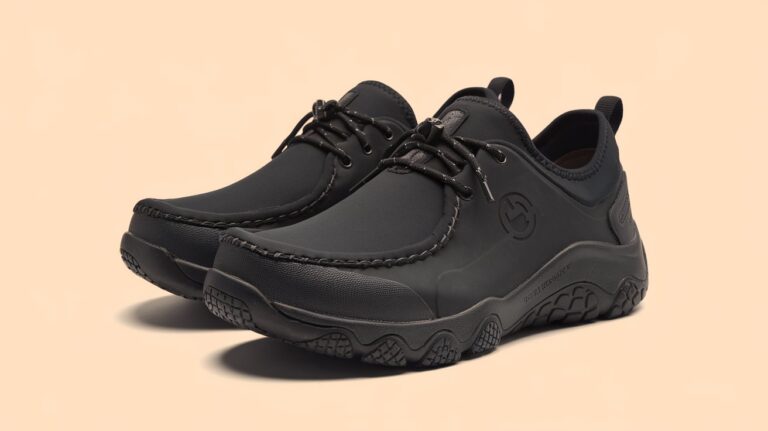
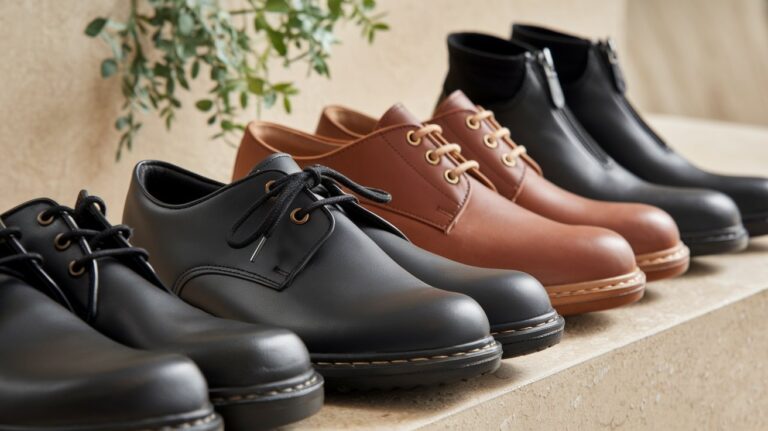
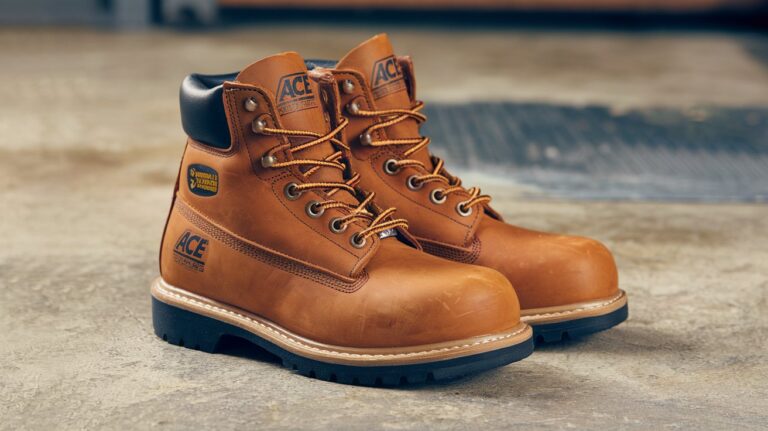
External toe styling with celastic reinforcement creates distinctive boot profiles that balance protection with aesthetic appeal. Unlike bulky steel toe appearances, celastic allows manufacturers to create sleeker, more proportional toe boxes that resemble traditional dress shoes or casual boots while maintaining internal structure and durability.
Modern celastic toe designs in 2024 incorporate various exterior finishes including polished leather, suede, synthetic materials, and specialized coatings for specific work environments. The flexibility of celastic material enables designers to create pointed, rounded, or square toe profiles without compromising structural integrity, giving workers more style options compared to rigid safety toe alternatives.
Interior Toe Structure and Comfort
Interior toe structure in celastic boots focuses on comfort optimization through strategic padding placement and breathable materials. The smooth inner surface of celastic toe caps prevents pressure points and hot spots common with steel toe boots, while allowing sufficient toe room for natural movement and circulation during extended wear periods.
Manufacturers typically line celastic toe interiors with moisture-wicking fabrics, antimicrobial treatments, and cushioning materials to enhance comfort. The flexible nature of celastic allows the toe box to adapt slightly to foot shape over time, creating a more personalized fit compared to rigid safety toe options that maintain fixed dimensions throughout their lifespan.
Ventilation and Moisture Management
Celastic toe ventilation systems incorporate perforations, breathable linings, and moisture-wicking technologies to prevent heat buildup and excessive sweating. Unlike steel toes that can create condensation issues, celastic materials don’t conduct temperature extremes, maintaining more consistent internal boot climate throughout varying work conditions.
Padding and Cushioning Integration
Advanced celastic toe padding designs utilize memory foam, gel inserts, and specialized cushioning materials strategically placed around the toe cap area. This padding system distributes pressure evenly while maintaining the protective benefits of celastic reinforcement, creating superior comfort for workers who spend entire shifts on their feet in 2024 workplace environments.
Double Celastic Construction Benefits
Double celastic toe construction involves layering two celastic components to enhance durability and protection while maintaining lightweight characteristics. This advanced design technique, increasingly popular in 2024, provides additional reinforcement in high-wear areas without approaching the weight penalties associated with metal toe protection systems.
The dual-layer approach allows manufacturers to use different celastic formulations optimized for specific functions – an outer layer for abrasion resistance and shape retention, and an inner layer for comfort and flexibility. Double celastic systems extend boot lifespan significantly compared to single-layer designs while providing enhanced protection against moderate impacts and compression forces encountered in semi-industrial work environments.
Popular Celastic Toe Boot Brands and Models
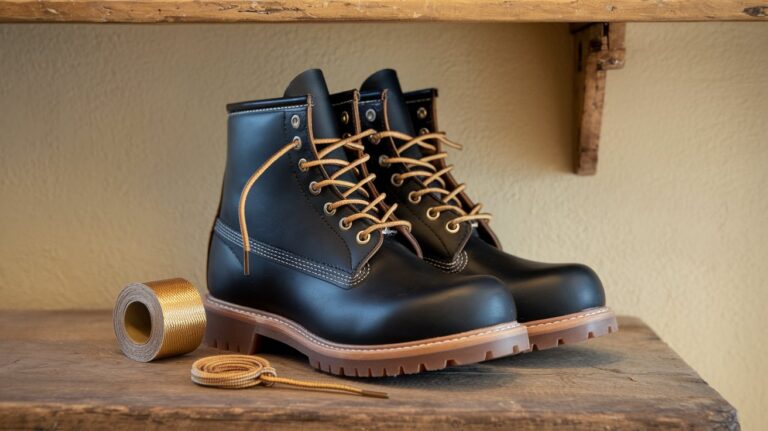
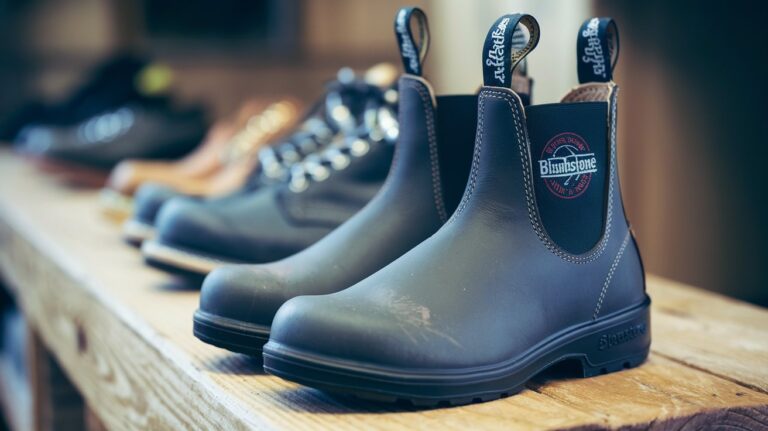
JK Boots celastic toe models represent some of the most popular options in the 2024 market, offering various styles from dress boots to rugged work designs. Major manufacturers including Red Wing, Timberland PRO, and Caterpillar have incorporated celastic technology into their non-safety toe lines, recognizing growing demand for lightweight protective footwear in service industries.
Leading celastic toe shoes brands focus on combining traditional craftsmanship with modern materials science, creating boots that appeal to workers seeking durability without safety toe requirements. Popular models feature full-grain leather uppers, slip-resistant outsoles, and comfort technologies specifically designed to complement celastic toe construction for optimal performance in contemporary workplace environments.
Related video about what is celastic toe
This video complements the article information with a practical visual demonstration.
What you should know
Is celastic toe a safety toe?
No, celastic toe is not considered a safety toe by OSHA standards. While celastic toe boots provide enhanced durability and shape retention, they don’t meet ANSI/ASTM impact or compression protection requirements like steel toe or composite toe boots. Celastic toe is designed for comfort and moderate protection in non-hazardous work environments.
What is celastic made of?
Celastic is made of cellulose acetate, a biodegradable thermoplastic derived from cotton linters or wood pulp. The material is processed with plasticizers and UV stabilizers to create a durable, moldable substance that maintains flexibility while providing structural support in boot construction.
How does celastic toe compare to composite toe?
Composite toe boots meet ANSI safety standards and provide impact protection up to 75 pounds, while celastic toe boots offer lightweight durability without safety ratings. Composite toes are heavier and more rigid than celastic but provide genuine safety protection for hazardous work environments.
What is celastic toe used for?
Celastic toe is used to provide structural support and shape retention in work boots for service industries, light warehouse work, retail, and office environments. It’s ideal for workers who need durable footwear with enhanced toe protection but don’t require OSHA-compliant safety features.
Are celastic toe boots good for long work days?
Yes, celastic toe boots are excellent for long work days due to their lightweight construction, flexibility, and comfort features. They reduce foot fatigue compared to steel toe boots while providing better durability and shape retention than soft toe options, making them ideal for extended wear periods.
Can celastic toe boots be resoled?
Most quality celastic toe boots can be resoled by experienced cobblers, similar to other leather work boots. The celastic toe cap construction doesn’t interfere with resoling processes, allowing workers to extend their boot’s lifespan through professional repair services when the outsole wears out.
| Celastic Toe Feature | Specification | Primary Benefit |
|---|---|---|
| Material Composition | Cellulose Acetate Thermoplastic | Lightweight and Biodegradable |
| Weight Addition | 2-4 ounces per pair | Reduces Foot Fatigue |
| Protection Level | Moderate Impact Resistance | Enhanced Durability |
| Flexibility | High Toe Box Movement | Natural Foot Comfort |
| Best Applications | Service Industries, Light Work | Professional Appearance |