Mink Oil for Boots: Complete Guide & Best Application Tips 2025
Mink oil stands as one of the most effective leather conditioners for boots, providing deep moisturization and waterproofing properties that extend boot life significantly. This natural product penetrates leather fibers to restore flexibility while creating a protective barrier against moisture and cracking, making it essential for maintaining quality footwear.
What is Mink Oil and How Does it Work on Boots
Mink oil derives from the fatty layer beneath mink pelts and contains natural oils that closely match leather’s composition. This natural compatibility allows the oil to penetrate deep into leather fibers, restoring essential moisture that prevents cracking and stiffness. Unlike synthetic conditioners, mink oil provides long-lasting protection that doesn’t require frequent reapplication.
The molecular structure of mink oil for boots enables it to fill microscopic gaps in leather, creating a flexible yet durable protective layer. This process not only conditions the leather but also enhances its natural water resistance, making it particularly valuable for work boots, hiking boots, and outdoor footwear exposed to harsh conditions.
Benefits of Using Mink Oil for Boot Care
Professional boot care specialists recommend mink oil because it offers multiple advantages over conventional leather treatments. The primary benefit includes superior penetration that reaches deeper leather layers, providing conditioning that lasts 3-6 months compared to 4-6 weeks for standard conditioners. This deep conditioning prevents the leather from becoming brittle and cracking under stress.
Mink oil also provides excellent waterproofing properties without completely sealing the leather’s breathability. This balance allows moisture from inside the boot to escape while preventing external water penetration, reducing the risk of mold and mildew formation. Additionally, regular mink oil application can restore the original color and luster of faded leather boots.
How to Properly Apply Mink Oil to Boots
Proper application technique determines the effectiveness of mink oil treatment and prevents common issues like over-saturation or uneven coverage. Begin by cleaning boots thoroughly with a damp cloth to remove dirt and debris, then allow them to dry completely before application. Room temperature application works best, as cold leather doesn’t absorb oil effectively.
Step-by-Step Application Process
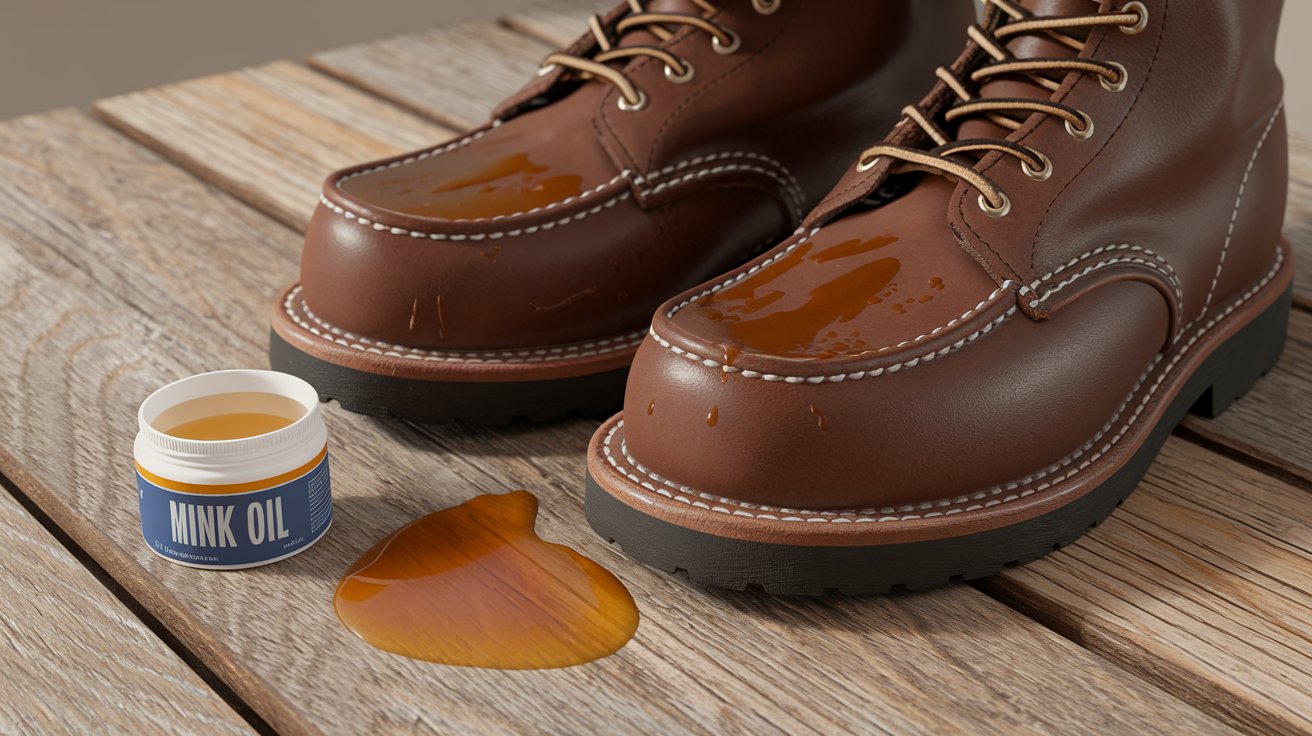
Start by applying a small amount of mink oil to a clean cloth or applicator brush, working the oil into the leather using circular motions. Focus on stress points like toe boxes, heel counters, and flex areas where cracking typically occurs first. Apply thin, even coats rather than heavy applications that can oversaturate the leather and cause staining.
Drying and Curing Time Requirements
Allow boots to dry for 24-48 hours in a well-ventilated area away from direct heat sources that can cause rapid drying and cracking. Proper curing time ensures complete oil absorption and prevents surface residue that attracts dirt. Test a small area first to gauge absorption rate, as different leather types require varying application amounts.
Best Types of Boots for Mink Oil Treatment
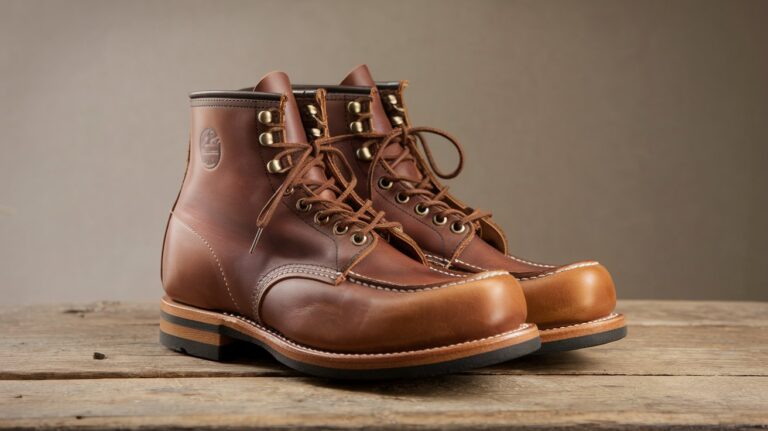
Full-grain leather boots respond exceptionally well to mink oil conditioning, particularly work boots, hiking boots, and motorcycle boots that face regular exposure to harsh conditions. These boot types benefit from mink oil’s deep penetration and long-lasting protection, making them ideal candidates for this treatment method.
However, exotic leathers, suede, and patent leather should avoid mink oil treatment as it can cause permanent discoloration or texture changes. Similarly, boots with special finishes or coatings may not absorb mink oil properly, leading to surface buildup and potential damage to the original finish.
Common Mistakes When Using Mink Oil on Boots
Over-application represents the most frequent error when treating boots with mink oil, leading to darkened leather and potential staining of socks or clothing. Many users apply excessive amounts thinking more oil provides better protection, but leather can only absorb a limited quantity before becoming oversaturated and prone to attracting dirt and debris.
Why Some People Say Mink Oil Ruined Their Boots
Reports of mink oil ruined boots typically stem from improper application techniques or using mink oil on inappropriate leather types. Over-saturation can cause permanent darkening, while applying oil to dirty boots traps contaminants beneath the protective layer, leading to deterioration rather than preservation.
Prevention Strategies for Boot Damage
Test mink oil on an inconspicuous area before full application to assess color changes and absorption rates. Clean boots thoroughly before treatment and use minimal amounts of oil, building coverage gradually rather than applying heavy coats that overwhelm the leather’s natural absorption capacity.
Mink Oil vs Other Leather Conditioners for Boots
Comparing mink oil to synthetic leather conditioners reveals significant differences in penetration depth and longevity. While synthetic conditioners often provide surface-level conditioning that requires monthly reapplication, mink oil penetrates deeper and maintains effectiveness for several months under normal wear conditions.
Beeswax-based conditioners offer similar natural properties but lack mink oil’s superior penetration capabilities. Neatsfoot oil provides excellent conditioning but may darken leather more than mink oil, making it less suitable for light-colored boots where appearance matters as much as protection.
Where to Buy Quality Mink Oil for Boots
Major retailers like Walmart, Home Depot, and Tractor Supply Company stock various mink oil brands suitable for boot care, with prices ranging from $5-15 for standard 4-6 oz containers. Online platforms offer broader selections including premium formulations and larger quantities for users maintaining multiple pairs of boots.
Quality indicators include pure mink oil content without excessive additives, proper packaging that prevents contamination, and clear labeling of ingredients. Reputable brands like Sno-Seal, Red Wing, and Kiwi provide consistent quality and reliable results for boot conditioning applications.
Seasonal Boot Care with Mink Oil Applications
Seasonal timing significantly impacts mink oil effectiveness, with fall preparation being crucial for winter boot protection. Apply mink oil 2-3 weeks before cold weather begins, allowing complete absorption and curing before exposure to snow, salt, and freezing temperatures that can damage untreated leather.
Spring cleaning and conditioning help remove winter damage while preparing boots for storage or continued use. Summer applications should focus on boots used for outdoor activities, providing protection against UV damage and moisture from humid conditions that can promote mold growth in untreated leather.
Professional Boot Care Tips from Cobblers
Professional cobblers recommend applying mink oil when leather feels stiff or shows early signs of drying, typically every 3-4 months for regular wear or monthly for heavy-use work boots. The leather temperature test involves pressing the leather – if it doesn’t spring back immediately, conditioning is needed to restore flexibility and prevent cracking.
Experienced boot repair specialists suggest warming mink oil slightly before application to improve penetration, but caution against overheating which can alter the oil’s beneficial properties. They also recommend using horsehair brushes for application as they distribute oil evenly without scratching the leather surface.
Related video about mink oil for boots
This video complements the article information with a practical visual demonstration.
Essential Q&A about mink oil for boots
Is mink oil good for my boots?
Yes, mink oil is excellent for full-grain leather boots as it provides deep conditioning and waterproofing that lasts 3-6 months. It penetrates leather fibers effectively, preventing cracking and maintaining flexibility while offering superior protection compared to synthetic conditioners.
What are the cons of mink oil?
The main disadvantages include potential darkening of light-colored leather, possible over-saturation if applied excessively, and incompatibility with suede or exotic leathers. It also requires proper application technique and adequate drying time to prevent surface residue buildup.
How long should you let mink oil dry on boots?
Allow boots to dry for 24-48 hours in a well-ventilated area away from direct heat. This curing time ensures complete oil absorption and prevents surface residue that can attract dirt. Thicker applications may require additional drying time.
Do you wipe mink oil off boots after application?
After the 24-48 hour curing period, gently buff the boots with a clean cloth to remove any surface residue. Properly absorbed mink oil shouldn’t leave excess on the surface, but light buffing enhances the leather’s natural luster and ensures no sticky residue remains.
Can mink oil waterproof my boots completely?
Mink oil significantly improves water resistance by filling leather pores and creating a protective barrier, but it doesn’t make boots completely waterproof. It provides excellent protection against moisture while maintaining leather breathability, making it ideal for general outdoor use rather than submersion conditions.
How often should I apply mink oil to my work boots?
Work boots exposed to harsh conditions typically need mink oil treatment every 4-6 weeks, while boots used for casual wear require application every 3-4 months. Frequency depends on usage intensity, environmental exposure, and leather condition assessment through regular inspection.
| Application Aspect | Recommended Practice | Expected Benefit |
|---|---|---|
| Application Frequency | Every 3-4 months for regular wear | Long-lasting protection and conditioning |
| Drying Time | 24-48 hours in ventilated area | Complete absorption without residue |
| Boot Preparation | Clean and dry before application | Optimal penetration and effectiveness |
| Application Amount | Thin, even coats with minimal oil | Prevents over-saturation and darkening |