Forest Service Boots: Complete Guide to Wildland Firefighting Boots
Forest service boots are specialized footwear designed for wildland firefighting and forestry work, meeting strict NFPA standards for protection and durability. These boots provide essential safety features including fire resistance, ankle support, and puncture protection for professionals working in challenging outdoor environments. Understanding the requirements and options for forest service boots is crucial for both career firefighters and seasonal workers entering the field.
What Boots Do Forest Firefighters Wear?
Forest firefighters typically wear NFPA approved wildland fire boots that meet specific safety standards. These boots must comply with NFPA 1977 Standard on Protective Clothing and Equipment for Wildland Fire Fighting, which sets requirements for materials, construction, and performance. The most commonly worn brands include White’s, Nick’s, Drew’s, and Hoffman boots, all manufactured specifically for wildland firefighting applications.
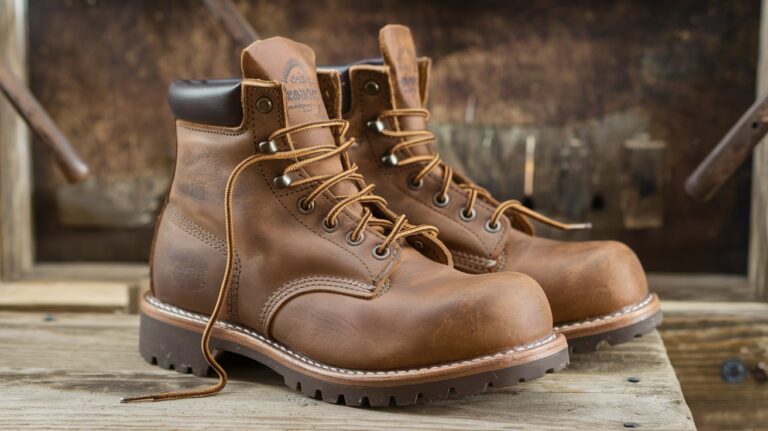
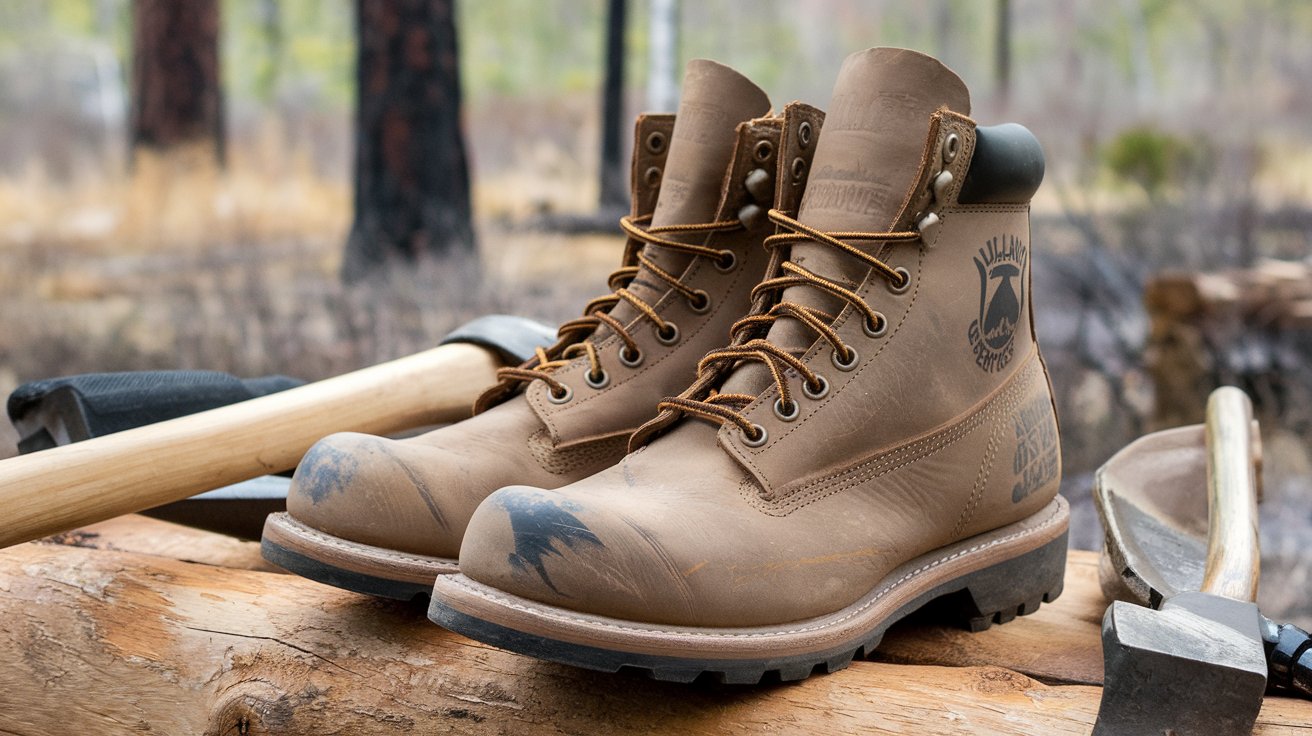
Professional wildland firefighters are required to wear boots with leather construction, vibram soles, and 8-inch minimum height. The boots must be lace-to-toe style with speed lacing systems for quick donning and doffing. Many agencies provide specific brand requirements or approved lists that firefighters must choose from, with White’s Smoke Jumper and Nick’s Hotshot being among the most popular choices across federal and state agencies.
NFPA Standards and Requirements for Wildland Fire Boots
The NFPA 1977 standard establishes comprehensive requirements for wildland fire boots used by forest service personnel. This standard requires boots to withstand temperatures up to 500°F for short durations, resist punctures from sharp objects, and provide adequate ankle support. The leather must be a minimum 2.8-3.0mm thick full-grain leather, and the sole construction must include a steel shank for arch support and puncture resistance.
Additionally, wildland fire boots requirements specify that boots must have a minimum 8-inch height to protect the lower leg from debris and heat. The boots cannot have exposed metal hardware below the ankle, and all stitching must be flame-resistant thread. These standards are regularly updated, with the most recent revisions in 2023 addressing improved moisture management and slip resistance requirements for varied terrain conditions.
Steel Toe vs Non-Steel Toe Requirements
Contrary to common belief, wildland fire boots do not require steel toes under NFPA 1977 standards. In fact, steel toe caps are often prohibited in wildland firefighting applications because they conduct heat and can cause severe burns during extended exposure to high temperatures. Most agencies specifically require non-steel toe boots with reinforced leather toe caps that provide protection without the heat conduction risk of metal components.
Certification and Approval Process
All forest service boots must undergo rigorous testing and certification to meet NFPA standards. This process includes flame resistance testing, puncture resistance evaluation, and durability assessments. Manufacturers must provide documentation proving compliance, and many agencies maintain approved vendor lists to ensure personnel purchase only certified footwear that meets their specific operational requirements.
Best Forest Service Boots for Men
The top forest service boots men’s options include White’s Smoke Jumper, Nick’s Hotshot, and Drew’s Boots Wildland models. White’s Smoke Jumper boots are considered the gold standard, featuring 9-inch height, Vibram soles, and hand-stitched construction. These boots typically cost $450-600 and are built to last 5-10 years with proper care and resoling.
Nick’s Hotshot boots offer similar quality with slightly different fit characteristics, featuring a wider toe box and different arch support profile. Drew’s Boots provides a more affordable option at $350-450 while still meeting all NFPA requirements. Hoffman Boots also manufactures quality wildland boots with excellent durability and comfort features, particularly popular among smokejumpers and hotshot crews.
Women’s Forest Service Boots Options
Women forest service boots are now available from all major manufacturers, addressing the growing number of female wildland firefighters. White’s offers women-specific lasts in their Smoke Jumper model, while Nick’s provides the Hotshot in women’s sizing. These boots feature the same protection standards as men’s boots but with sizing and fit adjustments for female foot anatomy.
The key difference in wildland fire boots women’s models is the last shape and heel cup design, which accommodates typically narrower heels and different arch profiles. Many female firefighters also prefer the Drew’s women’s wildland boot for its slightly lighter weight construction while maintaining full NFPA compliance. Proper fitting is crucial, as women often need different width combinations than standard men’s boots provide.
Where to Find Forest Service Boots on Sale
Finding forest service boots sale opportunities requires knowing the right timing and sources. End-of-season sales typically occur in October-November when fire season ends, with some retailers offering 15-25% discounts. Government surplus stores occasionally carry slightly used or overstock boots at reduced prices, though selection and sizing can be limited.
Online retailers like White’s official website, Nick’s Boots direct, and specialty fire gear suppliers often have seasonal promotions. Many fire departments and agencies also negotiate group purchasing contracts that offer discounted pricing for members. However, buyers should be cautious of significantly discounted boots that may not meet current NFPA standards or could be counterfeit products.
Authorized Retailers and Direct Purchase
Purchasing from authorized retailers ensures genuine products with proper warranties and support. White’s and Nick’s both offer direct-to-consumer sales with custom sizing options. Regional fire equipment suppliers often carry multiple brands and can provide professional fitting services to ensure proper boot selection for individual foot characteristics and job requirements.
Used and Refurbished Options
While used forest service boots can offer cost savings, buyers must carefully inspect for wear patterns, sole condition, and structural integrity. Boots with worn soles, cracked leather, or separated seams should be avoided as they may not provide adequate protection. Some manufacturers offer refurbishing services that can extend boot life while maintaining safety standards.
Sizing and Fit Considerations
Proper sizing of wildland fire boots requires professional measurement and fitting, as these boots often fit differently than regular work boots. Most manufacturers recommend going up half to one full size from regular shoe size to accommodate thick socks and foot swelling during long work shifts. The boots should provide thumb-width space at the toe while maintaining snug heel and ankle fit.
Professional fitting services are available through authorized dealers who understand the specific requirements of forest firefighting applications. Many experienced firefighters recommend trying boots on in the afternoon when feet are slightly swollen to better simulate working conditions. Custom fitting options are available from premium manufacturers for firefighters with unusual foot shapes or sizing requirements.
Maintenance and Care of Forest Service Boots
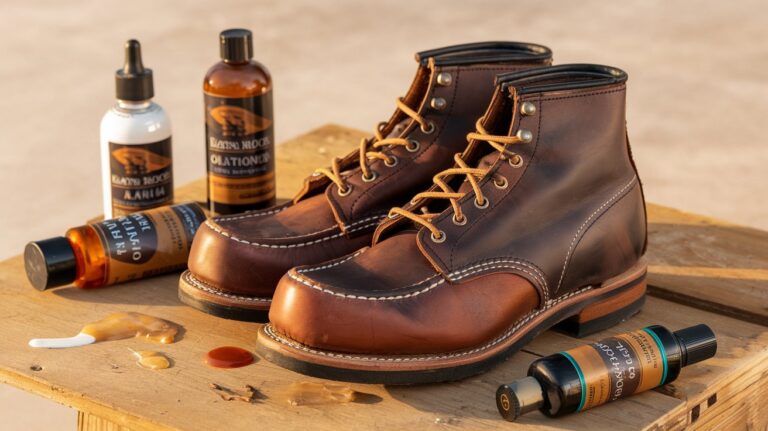
Proper maintenance extends the life of forest service boots significantly, with quality boots lasting 5-10 years with proper care. Daily cleaning removes ash, debris, and moisture that can break down leather and stitching. Leather conditioning every 2-3 weeks helps maintain flexibility and water resistance, using products specifically designed for fire boots.
Professional resoling services are available from most manufacturers when the Vibram soles wear down, typically costing $100-150 compared to $500+ for new boots. Proper storage in cool, dry conditions away from direct heat helps prevent leather cracking and sole separation. Many firefighters rotate between two pairs of boots to allow complete drying between uses, which significantly extends overall boot life.
Cost Analysis and Investment Value
Quality forest service boots represent a significant investment, typically ranging from $350-600 for new pairs. However, the cost per year of use often makes them economical compared to cheaper alternatives that may need replacement annually. Professional firefighters can often claim boot purchases as tax deductions for required safety equipment.
Many agencies provide boot allowances or reimbursement programs for approved footwear, with federal firefighters receiving annual boot allowances of $300-400. The long-term value proposition includes resoling capabilities, warranty coverage, and the safety benefits of properly constructed wildland firefighting boots that meet all current standards and regulations.
Related video about forest service boots
This video complements the article information with a practical visual demonstration.
Everything you need to know about forest service boots
What boots do forest firefighters wear?
Forest firefighters wear NFPA 1977 approved wildland fire boots, typically 8-inch leather boots from manufacturers like White’s, Nick’s, Drew’s, or Hoffman. These boots feature full-grain leather construction, Vibram soles, steel shanks, and lace-to-toe design for maximum protection and durability in wildland firefighting conditions.
Do wildland boots have to be steel toe?
No, wildland fire boots typically do not have steel toes and many agencies prohibit them. Steel conducts heat and can cause burns during extended fire exposure. Instead, wildland boots use reinforced leather toe caps that provide protection without the heat conduction risks of metal components.
What is the standard for wildland fire boots?
Wildland fire boots must meet NFPA 1977 Standard on Protective Clothing and Equipment for Wildland Fire Fighting. This requires minimum 8-inch height, full-grain leather construction, Vibram soles, steel shanks, flame-resistant stitching, and ability to withstand 500°F temperatures for short durations.
What are firefighting boots called?
Firefighting boots are called different names based on their application: wildland fire boots for forest firefighting, bunker boots for structural firefighting, and smokejumper boots for aerial firefighters. In the forest service context, they’re commonly referred to as wildland fire boots or simply fire boots.
How much do quality forest service boots cost?
Quality forest service boots typically cost $350-600 for new pairs from reputable manufacturers like White’s or Nick’s. While this represents a significant investment, these boots can last 5-10 years with proper care and resoling, making them cost-effective compared to cheaper alternatives requiring frequent replacement.
Where can I buy forest service boots?
Forest service boots can be purchased directly from manufacturers like White’s and Nick’s, authorized dealers, specialty fire equipment suppliers, and some online retailers. It’s important to buy from authorized sources to ensure genuine products that meet NFPA standards and include proper warranties.
| Key Aspect | Important Details | Benefit |
|---|---|---|
| NFPA 1977 Compliance | Required standard for all wildland fire boots | Ensures maximum safety and protection |
| Steel Toe Policy | Prohibited in most wildland applications | Prevents heat conduction burns |
| Cost Range | $350-600 for quality boots | Long-term investment with resoling options |
| Top Brands | White’s, Nick’s, Drew’s, Hoffman | Proven performance and durability |
| Sizing | Professional fitting recommended | Optimal comfort and safety performance |