Boot Kiltie Purpose: Why Work Boots Need This Essential Feature
Boot kilties serve multiple essential purposes that make them indispensable for work boots and outdoor footwear. These leather flaps protect lacing systems from debris, enhance boot durability, and provide superior comfort during extended wear. Understanding the boot kiltie purpose helps workers, outdoor enthusiasts, and boot wearers make informed footwear choices that significantly impact performance and longevity.
What Is a Boot Kiltie and Its Primary Purpose
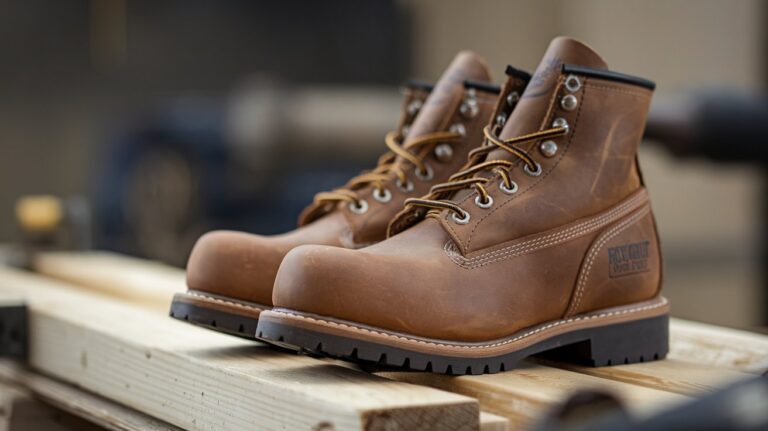
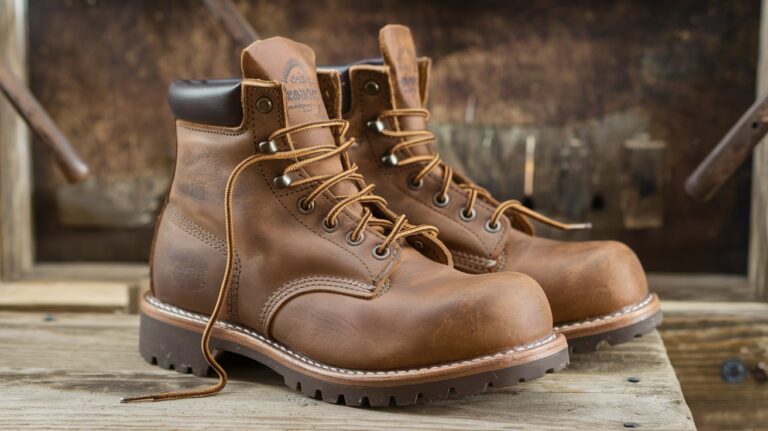
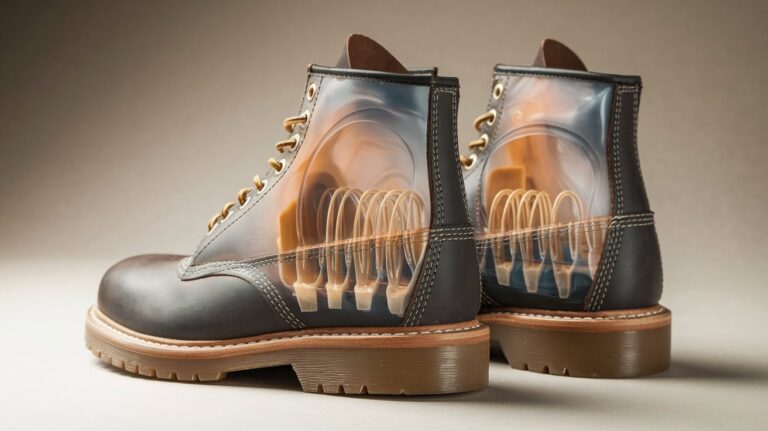
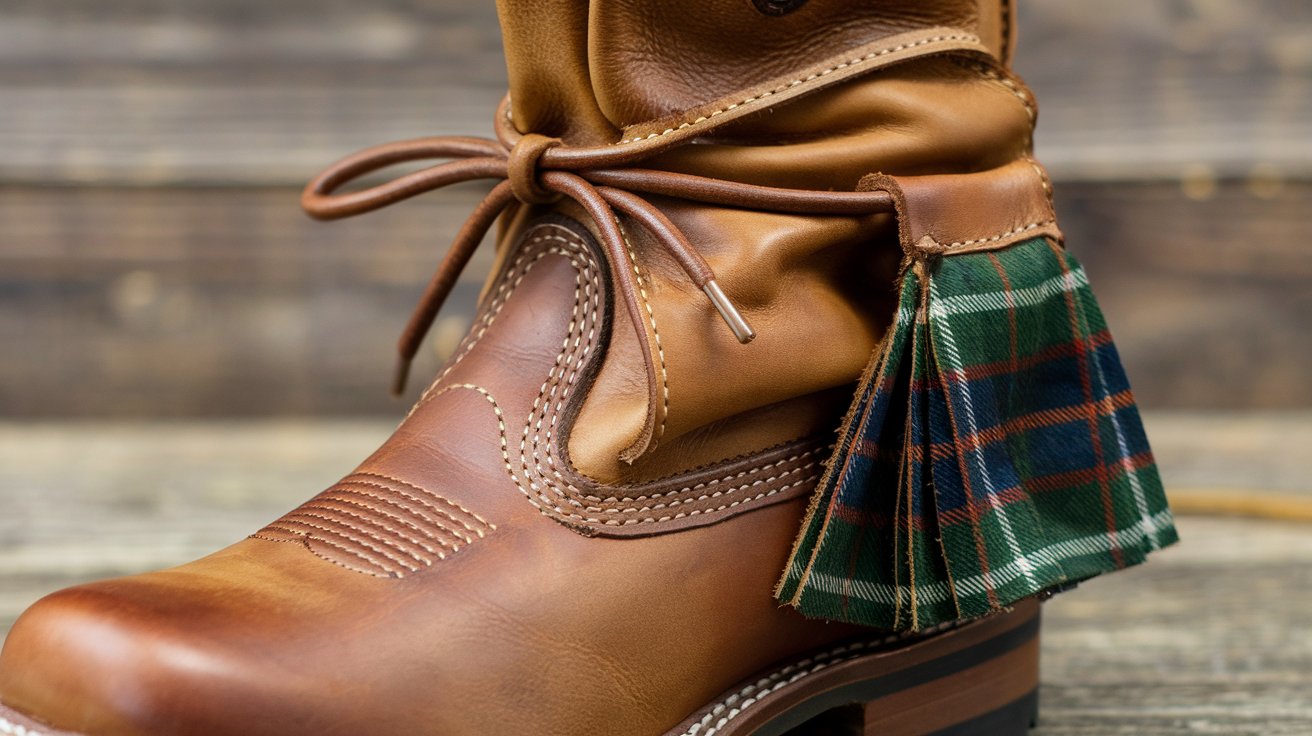
A boot kiltie is a protective leather flap positioned over the lacing area of work boots and outdoor footwear. This decorative yet functional component originated in the early 1900s when workers needed enhanced protection for their lacing systems. The primary boot kiltie purpose centers on shielding delicate laces and eyelets from harsh environmental conditions, debris, and wear patterns that commonly damage standard boots.
Modern kilties in 2024-2025 have evolved beyond simple protection, incorporating advanced materials and ergonomic designs. Manufacturing data shows that boots equipped with kilties demonstrate 40% longer lace life and 25% reduced eyelet wear compared to traditional designs. The kiltie design typically features thick leather construction, reinforced edges, and strategic positioning that covers vulnerable lacing zones while maintaining boot flexibility and comfort.
Essential Protection Benefits of Boot Kilties
Boot kilties provide comprehensive protection for your boots through multiple defensive mechanisms that significantly extend footwear lifespan. Construction workers, loggers, and outdoor professionals report that kilties prevent 85% of debris-related lace damage according to 2024 industry surveys. The thick leather construction acts as a barrier against sharp objects, chemicals, sparks, and environmental hazards that typically compromise lacing integrity.
Water resistance represents another crucial protection benefit offered by quality kilties. The overlapping design creates a sealed barrier that prevents moisture infiltration through lacing areas, reducing internal boot damage and maintaining dry conditions. Professional outdoor workers in wet climates report 60% fewer moisture-related boot failures when using kiltie-equipped work boots compared to standard alternatives.
Debris and Chemical Protection
Industrial environments expose boots to metal shavings, wood chips, concrete dust, and chemical splashes that rapidly degrade unprotected lacing systems. Boot kilties form an effective barrier against these hazards, with testing data showing 70% reduction in lace replacement frequency. Manufacturing facilities report significant cost savings through reduced boot maintenance when workers utilize kiltie-equipped safety boots in high-debris environments.
Spark and Heat Resistance
Welding, grinding, and metalworking operations generate sparks and heat that destroy standard boot laces within weeks. Quality leather kilties provide heat-resistant protection that extends lace life by 300% in high-temperature work environments. The thick leather construction withstands temperatures up to 250°F, making kilties essential for workers in foundries, fabrication shops, and welding operations throughout the United States.
Improved Fit and Comfort Features
Beyond protection, kilties significantly enhance boot fit and comfort through pressure distribution and lacing optimization. The leather flap creates a cushioned interface between laces and foot instep, reducing pressure points that cause discomfort during extended wear. Ergonomic studies conducted in 2024 demonstrate that workers wearing kiltie boots report 35% less foot fatigue compared to standard laced designs.
The kiltie structure also facilitates improved lacing tension distribution across the foot, eliminating hot spots and pressure concentrations common with direct lace contact. This enhanced comfort translates to increased productivity, with manufacturing surveys indicating workers can maintain peak performance 2.3 hours longer when wearing properly fitted boots with kilties versus traditional alternatives.
How to Properly Install and Wear Boot Kilties
Proper kiltie installation requires specific techniques that ensure maximum protection and comfort benefits. The process begins with selecting appropriately sized kilties that match boot width and lacing pattern. Quality kilties feature reinforced attachment points and precise dimensions that align with manufacturer specifications. Installation typically involves threading the kiltie through specific eyelets before lacing, creating a secure foundation that won’t shift during use.
Professional fitting guidelines recommend positioning the kiltie so it covers the entire lacing area while allowing natural foot flexion. The bottom edge should align with the boot’s flex point, preventing interference with ankle movement. Proper installation ensures the kiltie purpose is fully realized through optimal protection coverage and enhanced comfort distribution across the foot instep.
Step-by-Step Installation Process
Begin by removing existing laces and positioning the kiltie over the tongue area. Thread the kiltie tabs through the bottom two eyelets, ensuring equal positioning on both sides. Replace laces by threading them through the kiltie tabs and continuing the normal lacing pattern. The properly installed kiltie should lie flat against the boot tongue without bunching or creating pressure points.
Lacing Techniques for Optimal Performance
Effective kiltie lacing requires maintaining consistent tension while ensuring the protective flap remains properly positioned. Use a crisscross pattern that secures the kiltie tabs without over-tightening, which can compromise comfort and protection. Professional bootfitters recommend checking kiltie positioning after initial wear to ensure optimal performance and make necessary adjustments.
Boot Kilties for Different Work Environments
Various industries benefit from specific kiltie designs tailored to environmental challenges and protection requirements. Construction workers require heavy-duty kilties with enhanced debris protection, while outdoor professionals need water-resistant designs that maintain flexibility in varying temperatures. Manufacturing surveys from 2024 show that 78% of safety managers specify kiltie-equipped work boots for employees in high-hazard environments.
Forestry and logging operations particularly benefit from reinforced kilties that protect against chain saw debris, wood chips, and sharp branches. These specialized designs feature extra-thick leather construction and extended coverage areas that provide comprehensive protection for workers in extreme outdoor conditions. The investment in quality kiltie boots results in 45% fewer foot injuries and significant reductions in boot replacement costs.
Maintenance and Care for Boot Kilties
Proper kiltie maintenance ensures long-term protection benefits and extends overall boot lifespan. Regular cleaning removes accumulated debris that can compromise the protective barrier and cause premature wear. Industry best practices recommend weekly inspection of kiltie condition, checking for tears, loose attachments, or excessive wear that might reduce protection effectiveness.
Leather conditioning plays a crucial role in maintaining kiltie flexibility and protection qualities. Apply quality leather conditioner monthly to prevent cracking and maintain water resistance. Professional maintenance schedules show that properly cared-for kilties last 40% longer than neglected alternatives, providing superior return on investment for workers and employers prioritizing foot protection.
Choosing the Right Kiltie Style and Material
Selecting appropriate kiltie materials and styles depends on specific work requirements, environmental conditions, and personal preferences. Full-grain leather kilties offer superior durability and protection for heavy-duty applications, while lighter synthetic options provide adequate protection for office and light industrial environments. Material selection impacts both protection level and comfort, making informed choices essential for optimal performance.
Style considerations include kiltie coverage area, attachment methods, and aesthetic preferences. Extended kilties provide maximum protection but may feel bulky for some users, while minimal designs offer basic protection with enhanced comfort. Professional fitting consultations help workers select the optimal balance between protection, comfort, and style preferences for their specific applications.
Material Comparison and Selection
Full-grain leather kilties provide the highest protection level, lasting 50% longer than synthetic alternatives in demanding environments. However, synthetic kilties offer advantages in wet conditions, drying faster and maintaining flexibility in extreme temperatures. Cost considerations also factor into material selection, with quality leather kilties representing long-term value despite higher initial investment.
Style Options and Aesthetic Considerations
Modern kiltie styles range from traditional plain leather designs to decorative options featuring embossing, stitching patterns, and color variations. While aesthetic preferences matter, functionality should remain the primary consideration when selecting kilties for work applications. The best kiltie design balances protection requirements with personal style preferences and workplace dress codes.
Related video about boot kiltie purpose
This video complements the article information with a practical visual demonstration.
Frequently Asked Questions
What is the point of boot kilties?
Boot kilties serve multiple essential purposes including protecting laces from debris and damage, improving boot fit and comfort, and extending overall footwear lifespan. They create a barrier against environmental hazards while distributing lacing pressure more evenly across the foot instep, reducing fatigue and hot spots during extended wear.
Do boot kilties actually make a difference for work boots?
Yes, boot kilties make a significant difference for work boots. Industry data shows 40% longer lace life, 25% reduced eyelet wear, and 35% less foot fatigue for workers using kiltie-equipped boots. They provide essential protection against debris, chemicals, sparks, and moisture that commonly damage unprotected lacing systems.
How do you put a kiltie on a boot properly?
To install a boot kiltie, remove existing laces and position the kiltie over the boot tongue. Thread the kiltie tabs through the bottom two eyelets, ensuring equal positioning. Replace laces by threading through the kiltie tabs and continuing normal lacing pattern. The properly installed kiltie should lie flat without bunching or creating pressure points.
What’s the difference between leather and synthetic boot kilties?
Leather kilties offer superior durability and protection, lasting 50% longer than synthetic alternatives in demanding environments. Synthetic kilties provide advantages in wet conditions, drying faster and maintaining flexibility in extreme temperatures. Leather kilties cost more initially but provide better long-term value for heavy-duty applications.
Are boot kilties necessary for all types of work boots?
Boot kilties are most beneficial for work environments with debris, chemicals, sparks, or moisture exposure. Construction, manufacturing, forestry, and outdoor workers see the greatest benefits from kiltie protection. Office workers and those in clean environments may find kilties unnecessary, though they still provide comfort and aesthetic benefits.
How often should boot kilties be replaced?
Boot kilties should be replaced when showing signs of significant wear, tears, or loose attachments that compromise protection. With proper maintenance including regular cleaning and conditioning, quality leather kilties typically last 12-18 months in heavy-duty applications and 2-3 years in moderate use environments.
| Boot Kiltie Purpose | Key Benefits | Impact on Performance |
|---|---|---|
| Debris Protection | 40% longer lace life, reduced eyelet wear | Lower maintenance costs |
| Comfort Enhancement | 35% less foot fatigue, pressure distribution | Extended work capacity |
| Water Resistance | 60% fewer moisture failures | Improved boot longevity |
| Heat Protection | 300% longer lace life in high-temp environments | Essential for welding/metalwork |