Best Roughout Work Boots 2025: Complete Guide & Top Picks
Roughout work boots are gaining popularity among workers across the United States for their exceptional durability and unique leather construction. Unlike traditional smooth leather boots, roughout work boots feature the flesh side of the leather facing outward, creating a textured surface that offers superior grip and longevity. This comprehensive guide covers everything you need to know about choosing the perfect pair for your work environment.
What Are Roughout Work Boots?
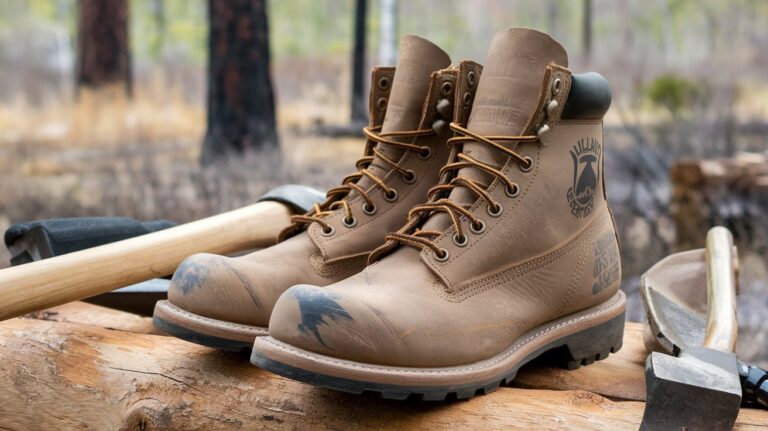
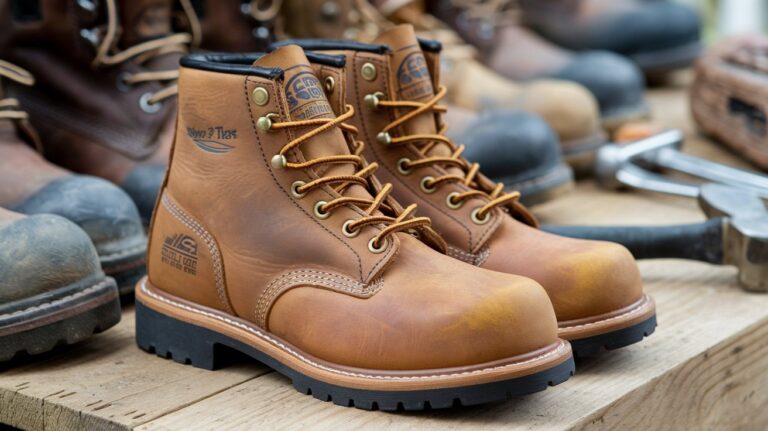
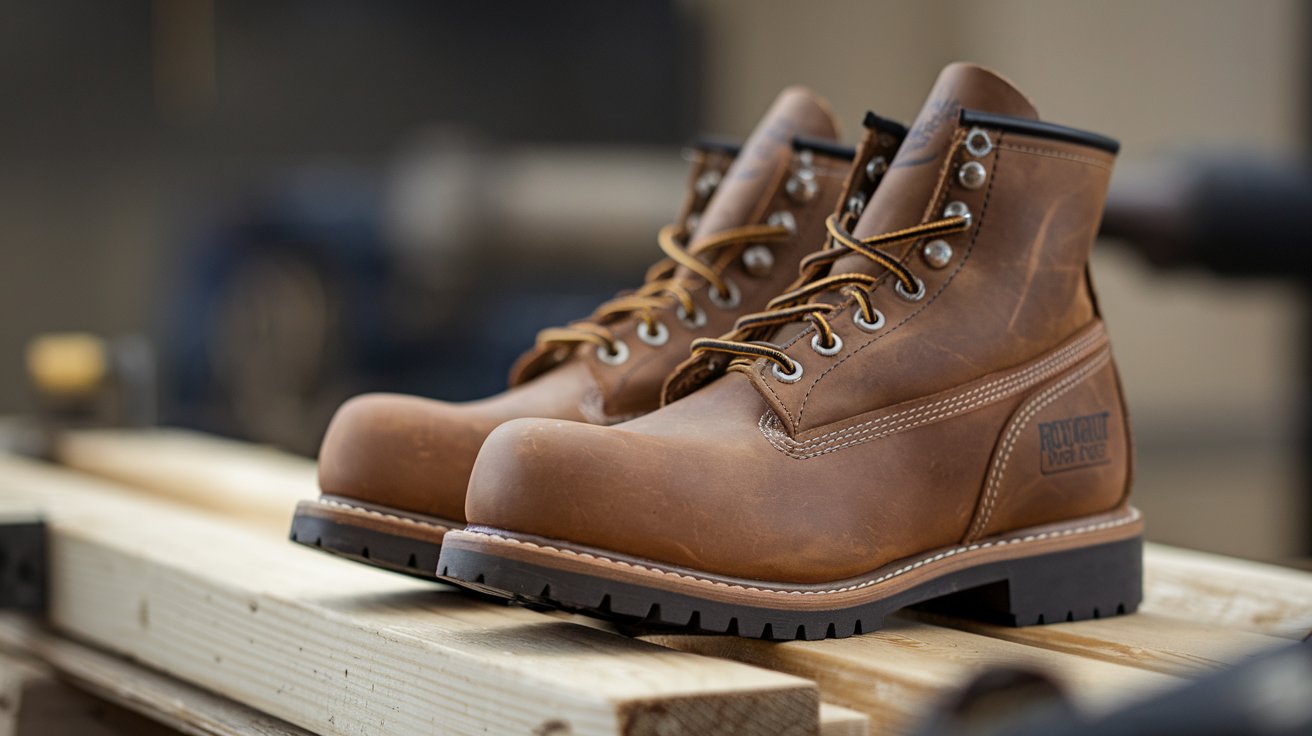
Roughout work boots represent a specialized construction method where the flesh side of the leather faces outward, creating a distinctive textured appearance. This construction technique has been used by bootmakers for over a century, particularly in military and work environments where durability is paramount. The rough leather surface provides enhanced grip and resistance to scuffing compared to traditional smooth leather boots.
The manufacturing process involves turning the leather inside-out during construction, exposing the naturally rough flesh side rather than the smooth grain side. This creates boots that develop a unique patina over time and wear differently than traditional work boots. Many professional workers in construction, ranching, and industrial settings prefer roughout boots for their practical advantages and distinctive appearance.
Benefits of Roughout Leather Work Boots
The primary advantage of roughout work boots lies in their exceptional durability and scuff resistance. When traditional smooth leather gets scratched or scuffed, the damage is immediately visible and permanent. However, roughout leather naturally conceals minor scuffs and scratches within its textured surface, maintaining a more consistent appearance throughout its lifespan.
Roughout leather boots also offer superior breathability compared to heavily finished smooth leather. The open-pore structure of the flesh side allows better air circulation, reducing moisture buildup and improving comfort during long work shifts. Additionally, these boots typically require less break-in time, as the rough leather surface is naturally more flexible and conforming to foot shape from the start.
Roughout vs. Suede vs. Nubuck: Understanding the Differences
Many people confuse roughout leather with suede or nubuck, but these are distinctly different materials with unique characteristics. Understanding these differences is crucial when selecting work boots for specific applications and environments.
Roughout Leather Characteristics
Roughout leather uses full-thickness hide with the flesh side exposed, maintaining the leather’s full strength and durability. This construction method preserves the leather’s natural water resistance when properly treated, making it ideal for work boot applications where moisture exposure is common. The texture is typically less uniform than suede, with natural variations that add to its rugged appearance.
Suede and Nubuck Differences
Suede is created by splitting leather and sanding the flesh side to create a uniform nap, while nubuck involves sanding the grain side of full-grain leather. Both materials are generally thinner and less durable than roughout leather used in work boots. Suede and nubuck are more susceptible to water damage and staining, making them less suitable for demanding work environments where roughout work boots excel.
Top Roughout Work Boot Features to Consider
When selecting roughout work boots for professional use, several key features determine their suitability for your specific work environment. Safety certifications, sole construction, and leather quality are primary considerations that directly impact performance and protection levels.
Look for boots that meet ASTM safety standards, particularly ASTM F2413-18 for protective footwear. Many quality roughout work boots feature steel toes, electrical hazard protection, and slip-resistant outsoles. The midsole construction should provide adequate support for long work days, with options including steel shanks, composite plates, or advanced cushioning systems depending on your needs.
Professional Applications: Who Uses Roughout Work Boots?
Military and tactical professionals frequently choose roughout work boots for their durability and low-maintenance characteristics. Navy SEALs and other special operations forces often prefer roughout boots because they maintain their appearance and functionality even under extreme conditions. The scuff-resistant properties make them ideal for environments where boot appearance and performance must remain consistent.
Construction workers, ranchers, and industrial professionals also benefit from roughout leather work boots. The natural grip provided by the textured surface helps prevent slips on various work surfaces, while the durable construction withstands the daily wear and tear common in these demanding professions. Many Alaskan workers specifically choose roughout boots for their ability to handle harsh weather conditions and rugged terrain.
How to Clean and Maintain Roughout Leather Boots
Proper maintenance of roughout work boots extends their lifespan significantly and maintains their protective qualities. The cleaning process differs from smooth leather boots, requiring specific techniques that work with the textured surface rather than against it.
Essential Cleaning Steps
Start by removing loose dirt and debris with a stiff brush designed for roughout leather maintenance. Use circular motions to work dirt out of the textured surface, paying particular attention to seams and welt areas where debris accumulates. For stubborn dirt, slightly dampen the brush but avoid soaking the leather, as excessive moisture can damage the roughout work boots over time.
Conditioning and Protection
Apply a leather conditioner specifically formulated for roughout leather every 3-6 months, depending on usage frequency and environmental conditions. Use products that won’t darken the leather excessively or clog the natural pores. After conditioning, apply a water-repellent treatment to maintain the boots’ moisture resistance, ensuring your roughout work boots continue providing reliable protection in wet conditions.
Best Roughout Work Boot Brands in 2025
Carolina Boot Company leads the market for premium roughout work boots, offering models with advanced safety features and superior leather quality. Their roughout boots consistently receive high ratings from professional workers across various industries, with many models featuring composite safety toes and electrical hazard protection.
Red Wing Heritage and Thorogood also produce exceptional roughout work boots that combine traditional craftsmanship with modern safety standards. These brands focus on American-made quality, using premium leather and construction methods that ensure long-term durability. White’s Boots offers custom and semi-custom options for workers requiring specific fits or specialized features in their roughout leather work boots.
Sizing and Fit Considerations for Roughout Work Boots
Proper fit is crucial for roughout work boots performance and comfort during extended wear periods. The natural flexibility of roughout leather means these boots often fit differently than smooth leather alternatives, requiring careful consideration during the selection process.
Most roughout work boots run true to size but may feel different initially due to the textured interior surface. Allow for appropriate toe room while ensuring heel lock to prevent blisters and hot spots. Consider the thickness of work socks you’ll wear, as this affects overall fit and comfort levels throughout your work day.
Price Ranges and Value Considerations
Quality roughout work boots typically range from $150 to $400, with premium handcrafted options reaching $500 or more. The investment in quality boots pays dividends through extended lifespan and superior protection compared to cheaper alternatives that may require frequent replacement.
Consider the cost per wear when evaluating roughout work boot options. Higher-quality boots that last 2-3 years with regular use often provide better value than budget options requiring annual replacement. Factor in resoling capabilities, as many premium roughout work boots can be resoled multiple times, further extending their useful life and improving long-term value.
Common Issues and Troubleshooting
New roughout work boots may initially feel stiff or cause minor discomfort during the break-in period. This is normal and typically resolves within the first few days of regular wear. Use quality boot socks and consider moleskin padding for pressure points if needed during the adjustment period.
If your roughout leather boots become excessively dirty or stained, avoid harsh chemical cleaners that can damage the leather structure. Instead, use specialized roughout leather cleaners and follow up with appropriate conditioning treatments. Regular maintenance prevents most issues and keeps your boots performing at their best throughout their service life.
Related video about roughout work boots
This video complements the article information with a practical visual demonstration.
Most asked questions about roughout work boots
What boots do Navy SEALs use?
Navy SEALs frequently use roughout work boots for their durability and low-maintenance characteristics. Popular choices include tactical boots from brands like Belleville, Bates, and Rocky, which feature roughout leather construction that maintains appearance and performance under extreme conditions. The scuff-resistant properties and reliable grip make them ideal for military applications where boot performance is critical.
What is the point of rough out boots?
The main purpose of roughout boots is enhanced durability and scuff resistance compared to smooth leather. The textured flesh-side-out construction naturally conceals minor scratches and scuffs, maintains better grip on various surfaces, and offers superior breathability. These boots also require less break-in time and develop a unique patina that improves their appearance with age rather than showing wear damage.
What’s the difference between suede and roughout leather?
Roughout leather uses full-thickness hide with the flesh side exposed, maintaining complete strength and durability. Suede is created by splitting leather and sanding the flesh side to create a uniform nap, making it thinner and less durable. Roughout leather retains natural water resistance when treated, while suede is more susceptible to water damage and staining, making roughout better suited for work boot applications.
What boots do most Alaskans wear?
Many Alaskans prefer roughout work boots for their ability to handle harsh weather conditions and rugged terrain. Popular choices include insulated roughout boots from brands like Sorel, Columbia, and Carhartt that provide warmth, waterproofing, and durability. The scuff-resistant nature of roughout leather helps boots maintain their appearance and functionality despite challenging outdoor conditions common in Alaska.
How often should I condition roughout work boots?
Condition roughout work boots every 3-6 months depending on usage frequency and environmental conditions. Heavy daily use in harsh conditions may require more frequent conditioning, while occasional use may extend the interval. Always use conditioners specifically formulated for roughout leather to avoid darkening or clogging the natural pores, and follow up with water-repellent treatment to maintain moisture resistance.
Are roughout work boots good for construction work?
Yes, roughout work boots are excellent for construction work due to their durability, scuff resistance, and superior grip characteristics. The textured surface provides better traction on various construction materials and surfaces. Look for models with safety certifications like ASTM F2413-18, steel or composite toes, and slip-resistant outsoles to meet construction site safety requirements while benefiting from roughout leather’s practical advantages.
| Key Feature | Roughout Advantage | Work Benefit |
|---|---|---|
| Scuff Resistance | Textured surface conceals scratches naturally | Maintains professional appearance longer |
| Durability | Full-thickness leather construction | Extended boot lifespan and value |
| Breathability | Open-pore structure allows air circulation | Improved comfort during long shifts |
| Break-in Period | Naturally flexible from first wear | Immediate comfort and productivity |
| Maintenance | Simple brush cleaning and conditioning | Less time spent on boot care |