Boot Parts Diagram: Complete Guide to All Components 2025
Understanding boot parts diagram components is essential for selecting quality footwear and proper maintenance. This comprehensive guide breaks down every element from sole to shaft, covering anatomy terminology for dress boots, work boots, and cowboy boots with detailed explanations of each component’s function and importance.
Essential Boot Anatomy: Understanding the Core Components
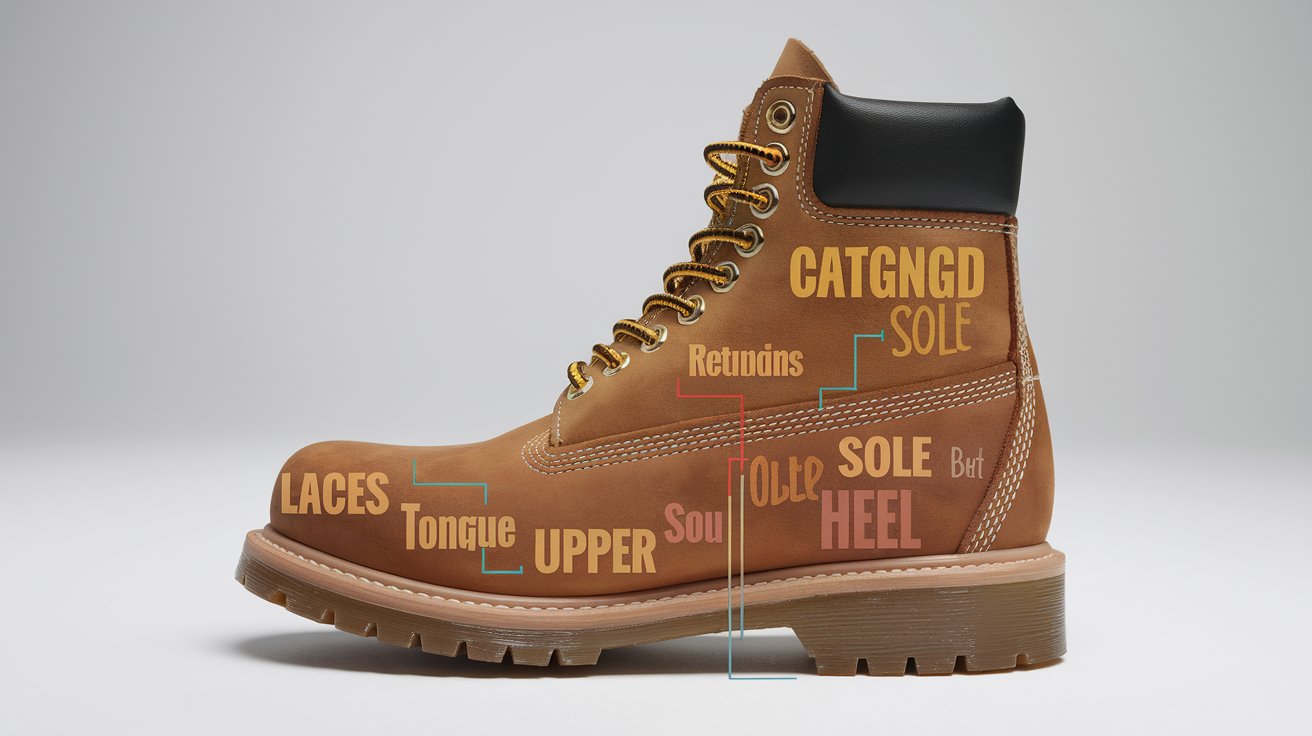
Every boot consists of fundamental parts of a boot that work together to provide protection, comfort, and style. The basic structure includes the upper, lower, and heel sections, each containing multiple specialized components. Modern boot construction in 2025 incorporates advanced materials and manufacturing techniques while maintaining traditional design principles that have proven effective for centuries.
The boot parts diagram reveals how each component contributes to overall performance. From the toe cap that protects your feet to the heel counter that provides stability, understanding these elements helps you make informed purchasing decisions and properly maintain your footwear investment.
Upper Boot Components and Their Functions
The upper section contains the vamp (front portion covering the foot), quarters (side panels), and collar (top edge around the ankle). The tongue prevents debris from entering while allowing lacing adjustment. Each component uses specific materials ranging from full-grain leather to synthetic alternatives, with premium boots featuring seamless construction for enhanced durability and comfort.
Lower Boot Structure and Sole System
The lower assembly includes the outsole (ground contact surface), midsole (cushioning layer), and insole (foot contact surface). Modern boots incorporate specialized compounds in outsoles for specific conditions, while midsoles provide shock absorption using materials like EVA foam or polyurethane. The insole system often features removable footbeds for customization and hygiene maintenance.
What Are the Parts of a Boot Called: Complete Terminology Guide
Professional boot terminology encompasses dozens of specific parts of boots names that describe every component from construction to styling elements. Understanding these terms helps when shopping, discussing repairs, or reading product specifications. The boot industry uses standardized terminology that remains consistent across manufacturers and boot types.
Each boot component has evolved specific naming conventions based on function, location, and historical usage. Terms like ‘welt,’ ‘shank,’ and ‘counter’ refer to structural elements, while ‘pull tabs,’ ‘speed laces,’ and ‘gussets’ describe functional features that enhance usability and performance.
Structural Component Names and Definitions
The welt connects upper and sole components in premium construction, while the shank provides arch support between heel and forefoot. The heel counter reinforces the rear upper, and toe caps protect against impact. These structural elements determine boot longevity and performance characteristics across different applications and environments.
Functional Feature Terminology
Functional features include pull tabs for easy entry, speed laces for quick adjustment, and gussets for weather protection. D-rings and eyelets provide lacing points, while padded collars enhance comfort. Understanding these features helps identify boots suited for specific activities and personal preferences.
What Do You Call the Tall Part of the Boot: Shaft Anatomy
The tall part of the boot is called the shaft, extending from the ankle upward to provide protection and support. Shaft heights vary from ankle-high to knee-high depending on boot style and intended use. The shaft includes the collar (top edge), quarters (side panels), and often features functional elements like pull tabs, buckles, or decorative stitching.
Shaft construction significantly impacts boot performance and comfort. Boot shaft materials range from soft leather for comfort to rigid materials for protection. The shaft’s fit around the calf determines comfort during extended wear, with measurements typically provided in circumference at the widest point.
What Is the Flap on a Boot Called: Gussets and Protective Features
The flap on a boot is typically called a gusset, tongue, or protective flap depending on its specific function and location. Gussets are expandable panels that accommodate different calf sizes while maintaining weather protection. Tongue flaps prevent debris entry, while heel flaps assist with boot removal.
These protective boot flaps serve multiple functions including weather sealing, debris protection, and ease of use. Modern boots incorporate various flap designs using advanced materials that maintain flexibility while providing durable protection against environmental elements.
Parts of a Cowboy Boot Diagram: Western Boot Specifics
Parts of a cowboy boot diagram include unique elements like the pointed toe, high shaft, and angled heel. The characteristic features include decorative stitching, pull tabs, and often ornamental elements like conchos or tooled leather patterns. Western boots prioritize easy on-off access and distinctive styling alongside functional performance.
Cowboy boot construction incorporates traditional techniques with modern materials. The cowboy boot heel ranges from walking height (1.5 inches) to riding height (2+ inches), with various shapes including Cuban, military, and roper styles. Each heel type serves specific functional and aesthetic purposes within Western boot design traditions.
Western Boot Heel Types and Construction
Cowboy boot heels include walking heels (1.5-1.75 inches) for comfort, riding heels (2+ inches) for stirrup security, and roper heels (1.25 inches) for ground work. Each heel shape affects posture, comfort, and functionality. Premium cowboy boots feature leather-stacked heels with rubber caps for durability and traction.
Unique Western Boot Features
Western boots feature distinctive pull tabs for easy entry, decorative stitching patterns, and often pointed or square toe shapes. The shaft typically measures 10-14 inches with minimal padding for a sleek profile. Traditional construction uses pegged and stitched soles for resoling capability and authentic appearance.
Women’s Boot Parts Diagram: Gender-Specific Design Elements
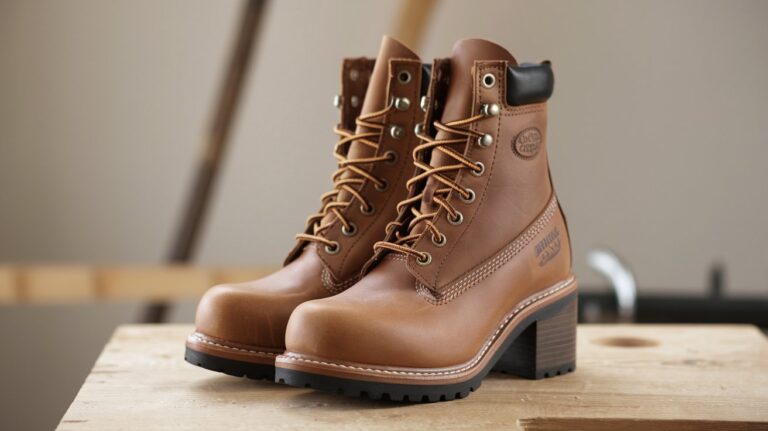
Women’s boot parts diagram components reflect anatomical differences and style preferences including narrower heel construction, varied shaft circumferences, and different heel height options. Women’s boots often incorporate additional padding in specific areas and use lasts designed for female foot shapes and proportions.
Fashion elements in women’s boots include decorative buckles, varied heel shapes, and premium materials like suede or exotic leathers. Functional differences include arch support modifications for high heels and cushioning systems designed for different weight distributions and gait patterns compared to men’s boots.
Boot Construction Types: Understanding Manufacturing Methods
Boot construction methods determine durability, repairability, and performance characteristics. Goodyear welt construction remains the gold standard for premium boots, allowing resoling and providing superior durability. Blake construction offers flexibility and lighter weight, while cement construction provides cost-effective manufacturing for casual boots.
Modern construction incorporates hybrid methods combining traditional techniques with advanced materials. Boot construction types in 2025 include direct-attach methods for work boots, injection molding for specialized applications, and hand-sewn techniques for luxury footwear. Each method offers specific advantages for different use cases and price points.
Premium Construction Methods
Goodyear welt and Norwegian welt construction create the most durable boots with full resoling capability. These methods use leather welts stitched to both upper and sole, creating waterproof seals and exceptional longevity. Premium boots using these techniques often last decades with proper care and periodic resoling.
Modern Manufacturing Techniques
Contemporary construction includes direct-attach methods bonding soles directly to uppers, injection molding for seamless construction, and adhesive bonding using advanced polymers. These techniques reduce manufacturing costs while maintaining performance standards for specific applications and price points.
Boot Sole Components: Understanding Ground Contact Systems
Parts of a boot sole include the outsole (tread pattern), midsole (cushioning layer), shank (arch support), and heel assembly. Each component serves specific functions from traction and durability to comfort and support. Modern sole systems integrate multiple materials optimized for different conditions and performance requirements.
Advanced sole technology in 2025 incorporates compounds designed for specific environments including oil-resistant formulations for industrial use, cold-weather compounds for winter conditions, and specialized tread patterns for enhanced traction on various surfaces.
Boot Maintenance: Caring for Individual Components
Proper boot maintenance requires understanding how each boot component responds to cleaning products and conditioning treatments. Leather uppers need regular conditioning, while sole systems require different care approaches. Understanding component-specific maintenance ensures maximum boot lifespan and performance retention.
Modern boot care incorporates specialized products for different materials including waterproofing treatments, leather conditioners, and sole protectants. Regular maintenance schedules based on boot usage patterns help prevent premature wear and maintain appearance throughout the boot’s service life.
Related video about boot parts diagram
This video complements the article information with a practical visual demonstration.
Frequently Asked Questions
What are the main parts of a boot called?
The main parts of a boot include the upper (vamp, quarters, collar), sole system (outsole, midsole, insole), heel assembly, and shaft. Additional components include the tongue, lacing system, toe cap, heel counter, and various functional features like pull tabs or gussets.
What do you call the tall part of the boot?
The tall part of the boot is called the shaft. It extends from the ankle upward and includes the collar (top edge), quarters (side panels), and may feature pull tabs, buckles, or decorative elements. Shaft height varies from ankle-high to knee-high depending on boot style.
What is the flap on a boot called?
Boot flaps are typically called gussets, tongues, or protective flaps depending on their location and function. Gussets are expandable panels for fit adjustment, tongues prevent debris entry, and heel flaps assist with boot removal. Each serves specific protective or functional purposes.
What are the parts of a boot sole?
Boot sole parts include the outsole (ground contact with tread pattern), midsole (cushioning and shock absorption), insole (foot contact surface), shank (arch support), and heel assembly. Premium boots may also include heel caps, toe guards, and specialized traction elements.
How do cowboy boot parts differ from regular boots?
Cowboy boots feature unique elements including higher shafts (10-14 inches), angled heels (1.5-2+ inches), pointed or square toes, prominent pull tabs, and decorative stitching. They typically have minimal ankle padding and use traditional construction methods for easy on-off access.
What construction method makes the best boots?
Goodyear welt construction is considered the premium method, creating durable, resoleable boots with waterproof seals. This technique stitches a leather welt connecting the upper and sole, allowing complete reconstruction and providing decades of service with proper maintenance.
| Boot Component | Primary Function | Key Benefit |
|---|---|---|
| Upper Assembly | Protection and fit | Comfort and durability |
| Sole System | Ground contact and cushioning | Traction and shock absorption |
| Heel Assembly | Elevation and stability | Posture and style enhancement |
| Shaft | Extended protection | Ankle support and style |