Crepe Sole Boots: Complete Guide 2025 | Men’s & Women’s
Crepe sole boots represent a unique category of footwear featuring natural rubber soles with distinctive textured surfaces and exceptional comfort properties. These versatile boots combine traditional craftsmanship with modern comfort technology, making them increasingly popular among workers, outdoor enthusiasts, and fashion-conscious consumers in the United States. Understanding the characteristics, benefits, and applications of crepe soles helps you make informed decisions when selecting the perfect pair for your specific needs and lifestyle requirements.
What Are Crepe Sole Boots
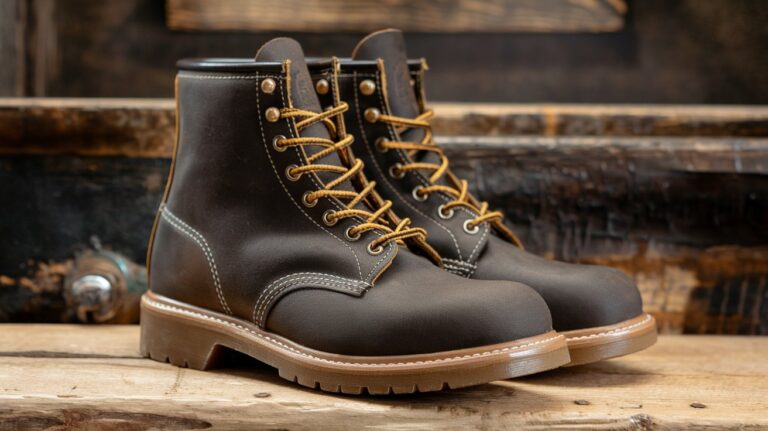
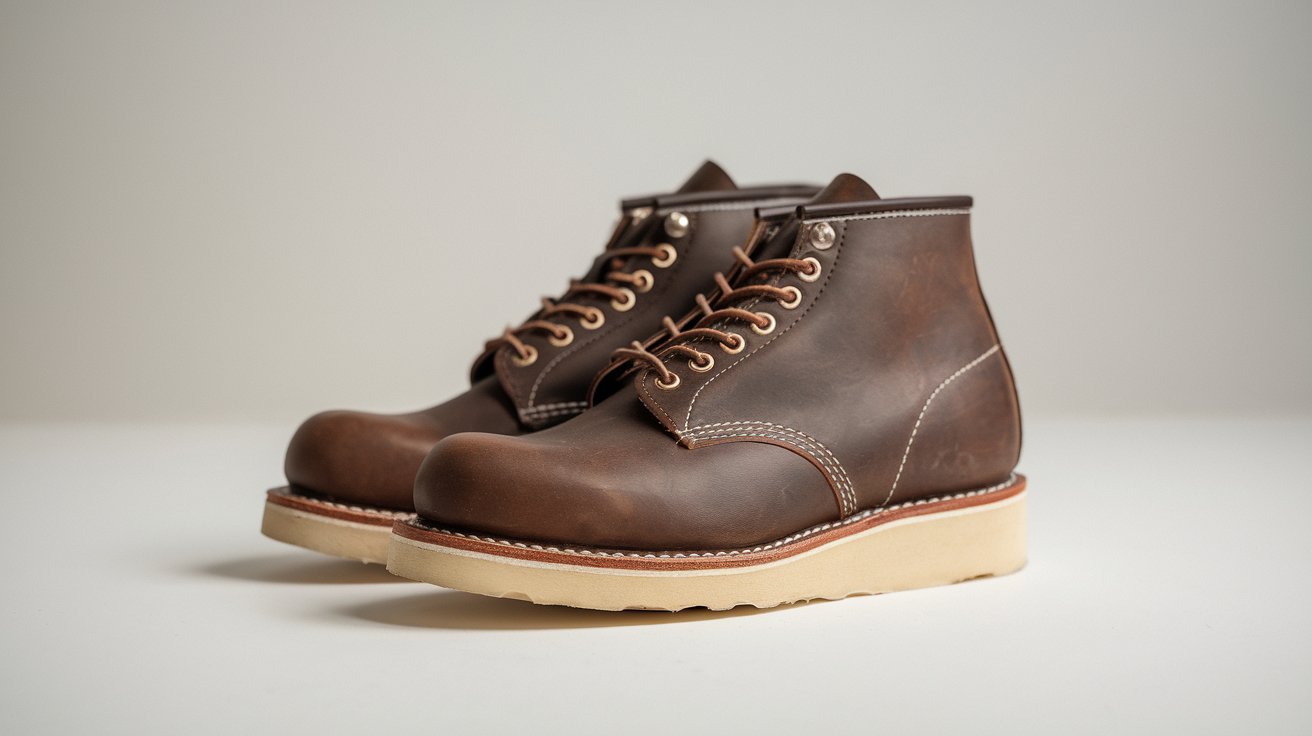
Crepe sole boots feature soles made from natural latex rubber extracted from Para rubber trees, processed into a distinctive textured material with excellent shock absorption properties. The crepe manufacturing process involves coagulating rubber latex with acid, then rolling it into sheets that create the characteristic rippled texture. This unique construction method produces soles that are lighter than traditional leather soles while offering superior cushioning for all-day wear.
The texture of crepe soles provides excellent grip on various surfaces, making these boots popular for both work environments and casual wear. Unlike synthetic rubber compounds, natural crepe rubber maintains flexibility in different temperature conditions while developing a unique patina over time. The manufacturing process creates microscopic air pockets within the sole structure, contributing to the lightweight feel and enhanced comfort that distinguishes crepe sole footwear from other boot types.
Types of Crepe Sole Boots
The market offers diverse categories of crepe sole boots designed for different applications and style preferences. Each type incorporates the beneficial properties of crepe rubber while addressing specific functional requirements and aesthetic preferences of various user groups.
Crepe Sole Work Boots
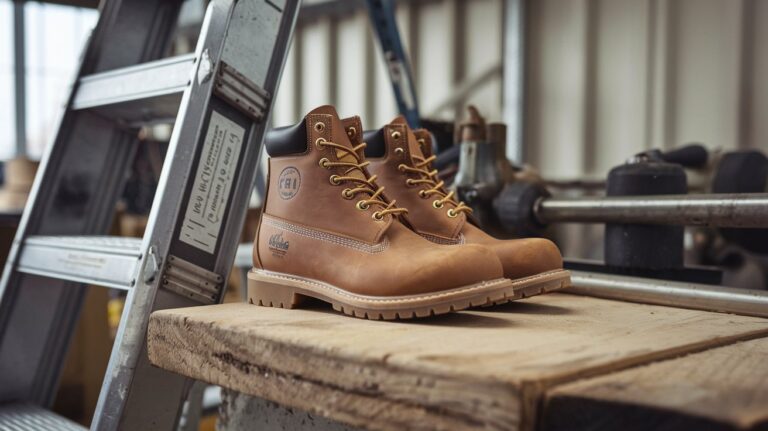
Crepe sole work boots combine safety features with comfort for demanding professional environments. These boots typically include steel toes, electrical hazard protection, and slip-resistant treads while maintaining the shock-absorbing benefits of crepe rubber soles. Popular brands like Red Wing and Thorogood manufacture work-rated crepe sole boots that meet OSHA safety standards while providing superior comfort during long shifts. The natural cushioning properties of crepe soles reduce foot fatigue and joint stress, making them ideal for workers who spend extended periods standing on hard surfaces.
Crepe Sole Cowboy Boots
Crepe sole cowboy boots represent a modern interpretation of traditional western footwear, combining classic styling with enhanced comfort. These boots maintain the iconic western silhouette while incorporating crepe rubber soles for improved shock absorption during riding and walking. The flexible nature of crepe soles allows for better ground feel when working with livestock or navigating uneven terrain. Many ranchers and western enthusiasts prefer crepe sole cowboy boots because they provide all-day comfort without sacrificing the authentic western appearance that traditional leather soles offer.
Men’s Crepe Sole Boots
Crepe sole boots men’s styles encompass work boots, casual boots, and dress boots designed specifically for men’s foot anatomy and style preferences. Popular options include chukka boots with crepe soles for business casual environments, rugged work boots for industrial applications, and desert boots for casual wear. The sizing typically ranges from 7 to 16 in standard and wide widths, accommodating various foot shapes and size requirements.
Leading manufacturers like Tony Lama crepe sole boots and Justin crepe sole boots offer extensive men’s collections featuring premium leather uppers with crepe rubber soles. These boots often incorporate traditional construction methods like Goodyear welting, ensuring durability and resolability. The combination of quality leather and crepe soles creates versatile footwear suitable for both professional and recreational activities, with price points typically ranging from $150 to $400 depending on materials and construction quality.
Women’s Crepe Sole Boots
Crepe sole boots women’s collections have expanded significantly in recent years, addressing the growing demand for comfortable yet stylish footwear options. Women’s crepe sole boots feature narrower heel construction, refined toe shapes, and fashion-forward designs while maintaining the comfort benefits of crepe rubber soles. Popular styles include ankle boots, mid-calf boots, and work boots specifically engineered for women’s foot anatomy and biomechanics.
Brands like Ariat crepe sole boots offer women’s collections that combine equestrian-inspired styling with modern comfort technology. These boots typically feature smaller heel-to-toe differential ratios and arch support systems designed for women’s gait patterns. The availability of women’s crepe sole boots has increased by approximately 35% since 2022, reflecting growing consumer awareness of comfort-focused footwear options in the United States market.
Advantages and Disadvantages of Crepe Soles
Understanding both the benefits and limitations of crepe soles helps consumers make informed purchasing decisions based on their specific needs and usage patterns.
Crepe Sole Advantages
Crepe sole boots offer exceptional shock absorption, reducing impact stress on feet, ankles, and knees during extended wear. The natural rubber compound provides excellent flexibility, conforming to foot movements while maintaining structural integrity. Crepe soles are significantly lighter than leather alternatives, reducing overall boot weight and minimizing leg fatigue. The textured surface provides reliable traction on various surfaces, including wet conditions where smooth soles might slip. Additionally, crepe soles can be resoled by skilled cobblers, extending the overall lifespan of quality boots when the upper materials remain in good condition.
Disadvantages of Crepe Soles
The primary disadvantages of crepe soles include their tendency to attract and retain dirt, oil, and debris due to the soft rubber compound and textured surface. Crepe soles wear faster than harder rubber or leather alternatives, especially on abrasive surfaces like concrete or asphalt. They can become slippery when contaminated with oil or grease, potentially creating safety hazards in industrial environments. Extreme temperatures can affect crepe sole performance, becoming overly soft in heat or rigid in extreme cold. The light color of natural crepe rubber shows stains and discoloration more readily than darker sole materials, requiring more frequent cleaning to maintain appearance.
Crepe Soles vs Rubber Soles
The difference between crepe and rubber soles lies in their composition, manufacturing processes, and performance characteristics. Traditional rubber soles use synthetic compounds with added chemicals for durability and weather resistance, while crepe soles utilize natural latex rubber with minimal processing to maintain flexibility and comfort properties.
Crepe soles offer superior shock absorption and comfort but wear faster than synthetic rubber alternatives. Conventional rubber soles provide better durability and weather resistance but lack the natural cushioning properties of crepe. The manufacturing costs differ significantly, with crepe soles typically commanding higher prices due to natural material sourcing and specialized processing requirements. Crepe soles develop unique aging characteristics, becoming more flexible and comfortable over time, while synthetic rubber maintains consistent properties throughout its lifespan but may crack or harden with age.
Durability and Hard Wearing Properties
The question of whether crepe soles are hard wearing depends on usage conditions and maintenance practices. Under normal walking conditions on varied surfaces, quality crepe soles typically last 12-18 months with regular wear. However, in demanding work environments or on abrasive surfaces, the lifespan may decrease to 6-12 months due to the softer rubber compound.
Factors affecting crepe sole durability include walking surface types, individual gait patterns, body weight, and exposure to chemicals or extreme temperatures. Proper maintenance can extend sole life by 20-30%, including regular cleaning to remove embedded debris and avoiding prolonged exposure to oils or solvents. The natural aging process of crepe rubber actually improves comfort and flexibility over time, though it gradually reduces thickness through normal wear patterns.
Top Crepe Sole Boot Brands
Several manufacturers specialize in high-quality crepe sole boots, each offering unique features and construction methods tailored to different market segments and price points.
Tony Lama and Justin Boots
Tony Lama crepe sole boots represent over 100 years of western boot craftsmanship, combining traditional construction methods with modern comfort technology. Their crepe sole collections feature premium full-grain leather uppers with hand-lasted construction and Goodyear welted soles for durability and resolability. Justin crepe sole boots offer similar quality with distinctive styling cues and competitive pricing, making them popular choices among working professionals and western wear enthusiasts. Both brands typically retail between $200-$350 and provide extensive sizing options including wide and extra-wide widths.
Ariat and Lucchese Boots
Ariat crepe sole boots incorporate advanced comfort technology including moisture-wicking linings, contoured footbeds, and shock-absorbing midsoles complementing the natural cushioning of crepe rubber soles. Their collections span work boots, western boots, and casual styles with price ranges from $180-$400. Lucchese crepe sole boots represent the premium segment of the market, featuring hand-crafted construction, exotic leather options, and meticulous attention to detail. These boots typically range from $400-$800 and are considered investment pieces for serious boot enthusiasts who prioritize both quality and comfort.
Care and Maintenance Tips
Proper maintenance extends the lifespan and appearance of crepe sole boots while preserving their comfort and performance characteristics. Regular cleaning prevents the accumulation of debris that can accelerate sole wear and compromise traction properties.
Clean crepe soles weekly using a stiff brush to remove embedded dirt and debris from the textured surface. Apply leather conditioner to uppers every 2-3 months to prevent cracking and maintain suppleness. Store boots in a cool, dry location away from direct sunlight to prevent premature aging of both leather and crepe components. Rotate between multiple pairs when possible to allow complete drying between wears, which prevents bacterial growth and extends material lifespan. Address stains immediately using mild soap solutions, as crepe rubber can permanently absorb oils and chemicals if left untreated.
Shopping Guide and Price Ranges
When shopping for crepe sole boots in 2025, expect to invest between $150-$800 depending on brand reputation, construction quality, and material selections. Entry-level options from established manufacturers typically cost $150-$250 and offer good value for casual wear applications. Mid-range boots priced $250-$400 feature premium leather, better construction methods, and enhanced comfort features suitable for regular work use.
Premium crepe sole boots exceeding $400 incorporate hand-crafted construction, exotic leathers, and specialized comfort technologies. When comparing options, consider factors including sole thickness, upper leather quality, construction methods, warranty coverage, and available sizing options. Online retailers often provide detailed measurements and return policies, while local boot stores offer professional fitting services and immediate availability. The growing popularity of crepe sole footwear has increased availability across price segments, making comfortable options accessible to various budget levels.
Related video about crepe sole boots
This video complements the article information with a practical visual demonstration.
Your questions answered
What is a crepe sole boots?
Crepe sole boots are footwear featuring soles made from natural latex rubber that has been processed into a textured, cushioned material. The crepe sole provides exceptional shock absorption, flexibility, and comfort compared to traditional leather or synthetic rubber soles. These boots are popular for work, casual wear, and western styles due to their lightweight construction and superior cushioning properties that reduce foot fatigue during extended wear.
What are the disadvantages of crepe soles?
The main disadvantages of crepe soles include faster wear rates compared to harder materials, tendency to attract and retain dirt and debris, potential slipperiness when contaminated with oil or grease, and visible staining on the light-colored natural rubber. Crepe soles also perform poorly in extreme temperatures and require more frequent cleaning to maintain appearance, making them less suitable for certain industrial or harsh weather applications.
What is the difference between crepe and rubber soles?
The primary difference between crepe and rubber soles lies in their composition and properties. Crepe soles use natural latex rubber with minimal processing, providing superior comfort and shock absorption but wearing faster. Conventional rubber soles use synthetic compounds with additives for durability and weather resistance but offer less cushioning. Crepe soles are lighter, more flexible, and develop better comfort over time, while synthetic rubber maintains consistent properties but may crack or harden with age.
Are crepe soles hard wearing?
Crepe soles are moderately hard wearing under normal conditions, typically lasting 12-18 months with regular use. However, they wear faster than synthetic rubber or leather alternatives, especially on abrasive surfaces. The durability depends on usage patterns, walking surfaces, maintenance practices, and individual factors like body weight and gait. While not the most durable sole option, crepe soles offer superior comfort that many users find worth the trade-off in longevity.
Which brands make the best crepe sole boots?
Top brands for crepe sole boots include Tony Lama, Justin, Ariat, and Lucchese, each offering different quality levels and price points. Tony Lama and Justin provide excellent value western-style boots with traditional construction, while Ariat incorporates modern comfort technology across work and casual styles. Lucchese represents the premium segment with hand-crafted construction and exotic materials. Red Wing and Thorogood also manufacture quality work-rated crepe sole boots for industrial applications.
How should I care for crepe sole boots?
Proper care for crepe sole boots includes weekly cleaning with a stiff brush to remove debris from the textured sole surface, regular conditioning of leather uppers every 2-3 months, and proper storage in cool, dry locations away from direct sunlight. Rotate between multiple pairs when possible, address stains immediately with mild soap solutions, and avoid prolonged exposure to oils or chemicals that can damage the natural rubber compound and reduce sole life.
| Boot Type | Key Features | Price Range |
|---|---|---|
| Work Boots | Safety features, OSHA compliance, steel toes | $180-$350 |
| Cowboy Boots | Western styling, riding heel, traditional look | $200-$500 |
| Casual Boots | Everyday wear, versatile styling, comfort focus | $150-$300 |
| Premium Boots | Hand-crafted, exotic materials, luxury construction | $400-$800 |